
Emergency Braking and Fail-Safe Systems in Modern Heavy Duty Gantry Cranes
Ensuring Maximum Safety and Reliability in Heavy Duty Operations
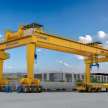

Heavy duty gantry cranes are essential in industries ranging from steel production to shipbuilding and large-scale construction. These cranes handle massive loads, often exceeding hundreds of tons, and operate in environments where precision, reliability, and safety are paramount. Among the most critical safety features of modern gantry cranes are emergency braking systems and fail-safe mechanisms. These technologies are not only designed to prevent accidents but also to protect equipment and personnel, ensuring smooth and safe operations even under unforeseen conditions.
Understanding Emergency Braking Systems
Emergency braking systems are engineered to stop a crane rapidly in case of an unexpected event or operator error. Unlike standard braking systems, which are primarily used for regular load control and movement, emergency brakes are activated automatically or manually when immediate halting of the crane or hoist is required.
Types of Emergency Braking Systems
Electromechanical Brakes:
Electromechanical brakes combine mechanical components with electrical actuation. These brakes engage immediately when power is cut or when a fault is detected, ensuring that the crane halts safely. The advantages include high reliability, low maintenance, and compatibility with variable load capacities.
Hydraulic Brakes:
Hydraulic braking systems utilize pressurized fluid to engage brake pads or discs. These brakes are particularly effective for cranes operating at high speeds or lifting extremely heavy loads. Hydraulic systems provide smooth deceleration while maintaining the ability to stop quickly in emergencies.
Electromagnetic Brakes:
Electromagnetic brakes operate by using an electric current to generate magnetic force, which holds or releases the braking mechanism. They are widely used in heavy duty gantry cranes due to their fast response time, compact design, and durability under repeated emergency conditions.
Mechanical Fail-Safe Brakes:
Some gantry cranes incorporate purely mechanical brakes that automatically engage in case of power failure. Springs, counterweights, or tension mechanisms ensure that even in total power loss scenarios, the load remains secure and the crane cannot descend uncontrollably.
Key Features of Modern Emergency Braking Systems
Automatic Activation: Emergency brakes can detect faults such as motor overload, cable failure, or overspeed conditions, and activate without operator intervention.
Redundancy: Modern systems often include multiple layers of braking, ensuring that if one system fails, secondary brakes engage immediately.
Load Monitoring Integration: Brakes can work in tandem with real-time load sensors to adjust braking force based on the weight being lifted, preventing damage to both the crane and the load.
Rapid Deceleration: Designed to stop heavy loads without causing shock to the structure, emergency brakes incorporate controlled deceleration profiles to minimize stress.
Fail-Safe Mechanisms in Heavy Duty Gantry Cranes
Fail-safe systems are built to ensure that the crane defaults to a safe condition in case of component failure, human error, or power loss. Unlike emergency brakes, which stop movement abruptly, fail-safe systems focus on preventing unsafe actions and maintaining control until the crane can be safely managed.
Common Fail-Safe Features
Overload Protection:
Gantry cranes are equipped with load cells and sensors that constantly monitor the weight being lifted. If the load exceeds the crane’s rated capacity, the fail-safe system prevents further hoist operation and may activate emergency brakes.
Anti-Sway Technology:
Heavy duty gantry cranes often implement anti-sway mechanisms to stabilize suspended loads. In the event of sudden crane movement or external disturbances like wind gusts, fail-safe controls minimize load swing, reducing the risk of collisions or tipping.
Limit Switches and Position Sensors:
Limit switches prevent the crane from moving beyond predefined boundaries. Position sensors can detect abnormal travel or lifting angles, automatically engaging brakes or halting motion if unsafe conditions arise.
Redundant Power Systems:
Many modern gantry cranes feature backup power sources to maintain control over braking and hoist mechanisms. This redundancy ensures that even during a primary power failure, emergency and fail-safe systems remain operational.
Automatic Load Positioning:
In case of a sudden system fault, some cranes can automatically move the load to a pre-defined safe position using programmed fail-safe protocols. This prevents uncontrolled swinging, collisions, or damage to the crane structure.
Integration of Safety Systems
Emergency braking and fail-safe mechanisms are most effective when integrated into a comprehensive crane safety management system. Modern gantry cranes utilize programmable logic controllers (PLCs) and industrial IoT sensors to monitor operational parameters continuously. By combining sensor data with advanced algorithms, the crane can anticipate potential hazards and take preventive action, such as slowing down, locking the hoist, or activating alarms.
Benefits of Integrated Safety Systems
Reduced Risk of Accidents: By automatically responding to unsafe conditions, these systems significantly lower the chance of accidents.
Extended Equipment Lifespan: Controlled braking and load stabilization prevent excessive mechanical stress, reducing wear and tear on structural components.
Compliance with Industry Standards: Integrated systems help manufacturers meet rigorous safety regulations and standards for heavy lifting operations.
Improved Operator Confidence: Knowing that multiple safety layers are active allows crane operators to perform tasks more efficiently without compromising safety.
Real-World Applications
Emergency braking and fail-safe systems are particularly crucial in high-stakes industries. For example:
Steel Manufacturing: Gantry cranes lift molten steel and heavy slabs, where uncontrolled movement could be catastrophic.
Shipbuilding: Handling massive ship components requires precise and safe load control to avoid damage to both the vessel and equipment.
Container Terminals: In port operations, cranes handle containers weighing tens of tons, where emergency braking prevents collisions and ensures cargo safety.
Construction: High-rise building projects require cranes that can stop instantaneously if a load shifts unexpectedly or environmental conditions change suddenly.
Future Trends in Crane Safety
Advances in technology continue to enhance emergency braking and fail-safe capabilities:
Predictive Maintenance: By monitoring brake wear and system performance, predictive maintenance can prevent failure before it occurs.
Artificial Intelligence Integration: AI algorithms can detect patterns of abnormal crane behavior, triggering fail-safe actions even faster than human response times.
Wireless Monitoring: Real-time remote monitoring allows operators and safety personnel to intervene quickly if a fault is detected.
Enhanced Redundancy: Future systems may incorporate multiple braking technologies and fail-safe protocols working in parallel to maximize safety under all conditions.
Conclusion
Emergency braking and fail-safe systems are indispensable in modern heavy duty gantry cranes. They provide the essential layers of protection needed to operate massive loads safely and efficiently. Through integration with load monitoring, position sensors, anti-sway technology, and advanced control systems, these mechanisms not only prevent accidents but also extend the life of equipment and improve operational reliability. As industries continue to demand higher efficiency and stricter safety standards, the evolution of emergency braking and fail-safe systems will remain a central focus in the design of heavy duty gantry cranes, ensuring that both operators and materials remain secure in even the most challenging environments.
About the Creator
Aicrane01
Welcome to the Aicrane Blog, your practical guide to lifting solutions. Discover articles covering overhead cranes, gantry cranes, winches, steel structures, boat lifts, and more.
Website: https://steelmillcranes.com/
Select’ Quincy Jones Music, Publishing and NIL Assets Acquired by HarbourView
In other Michael Jackson related news, large swaths of the Quincy Jones Estate has been sold to an investment firm. This includes a chunk of Michael Jackson properties that Mr. Jones had a part in creating.
By Skyler Saundersabout 4 hours ago in Journal


Comments
There are no comments for this story
Be the first to respond and start the conversation.