
Embossed vs. Flat Graphic Overlays: Pros, Cons, and Applications
Embossed vs. Flat Graphic Overlays


Ever pressed a button on your microwave or flipped a switch on a control panel? Chances are, you’ve interacted with a graphic overlay. Graphic overlays are the top layers on user interface devices that show you where to press, what each button does, and sometimes even add a splash of style. Graphic overlays are key to making gadgets user-friendly, whether it’s a keypad, a medical tool, or an industrial machine.
Embossed overlays have raised areas—like bumpy buttons you can feel—while flat overlays are smooth and sleek. Both have their perks and downsides and picking the right one depends on what you need for your project. In this blog, we’ll break down the differences, weigh the pros and cons, and look at where each type shines. By the end, you’ll have a clear idea of which overlay fits your goals.
What Are Graphic Overlays?
Let’s start with the basics. A graphic overlay is the part of a device you see and touch. It’s like a label that sits on top of switches or circuits, showing text (like “start” or “stop”), symbols (arrows or icons), or even colors to guide you. It’s usually made from tough materials like polyester or polycarbonate, so it can handle wear and tear while keeping the insides safe.
Think of it as the face of a device. It’s not just there to look good—it connects you to the tech underneath. Whether it’s a remote control or a high-tech medical screen, the overlay makes sure you can use it easily. It’s all about blending function, strength, and design into one handy layer.
Embossed Graphic Overlays: An Overview
Embossed graphic overlays are the ones with texture. Imagine a keypad where the buttons are raised up—that’s embossing. It’s done by pressing or molding the material to create raised spots, like buttons or edges, giving it a 3D feel. This process shapes the overlay so you can feel where things are without even looking.
These overlays stand out because they’re tactile. You can run your fingers over them and know exactly where the “on” button is. They’re common in things like industrial control panels or keypads where touch matters as much as sight.
Pros and Cons of Embossed Graphic Overlays
So, what’s great about embossed overlays—and what’s not? Let’s dive in.
Advantages:
- Tactile Feedback: The raised areas let you feel the buttons, so you don’t have to guess where to press. It’s a big plus for usability.
- Enhanced Durability: Those raised spots can take a beating, protecting the circuits underneath from damage.
- Aesthetic Appeal: Embossing gives a device a high-quality, professional vibe—like it’s built to last.
- Easier Navigation: You can find keys by touch, which is handy in dim light or if you’re wearing gloves.
Disadvantages:
- Higher Production Cost: Making those raised shapes takes extra steps, so it’s pricier than flat overlays.
- Limited Design Flexibility: Once the overlay is molded, changing it is tough. You’re locked into that shape.
- Potential Wear: Over time, heavy use might wear down the raised areas, making them less noticeable.
Embossed overlays are like the sturdy, hands-on option—great if you want something users can feel and trust.
Flat Graphic Overlays: An Overview
Flat graphic overlays, on the other hand, are all about simplicity. They’re smooth, with no bumps or raised parts—just a flat surface with printed designs. They’re made by printing text, symbols, or colors directly onto the material, and then adding an adhesive backing to stick it onto the device.
These overlays are sleek and straightforward. You’ll see them on touch screens, modern appliances, or anything going for a clean, minimalist look. Without texture, they rely on visuals to guide the user—no touchy-feely stuff here.
Pros and Cons of Flat Graphic Overlays
What makes flat overlays tick? Here’s the rundown.
Advantages:
- Cost-Effective: They’re easier and cheaper to make—no molding, just printing and sticking.
- Design Flexibility: Need a new look? Just tweak the print. It’s simple to customize or update.
- Smooth Surface: Flat overlays are perfect for a modern, polished style that’s easy on the eyes.
- Easy to Clean: No bumps mean no spots for dirt or germs to hide—great for hygiene.
Disadvantages:
- No Tactile Feedback: You can’t feel where the buttons are, so you have to look to use it.
- Less Durable in Harsh Conditions: Flat surfaces might scratch or fade faster without extra protection.
Flat overlays are the budget-friendly, modern choice—ideal when simplicity and cost matter most.
Comparing Embossed vs. Flat Graphic Overlays
Let’s put them head-to-head to see how they stack up.
- Cost: Flat wins on price—it’s cheaper to produce. Embossing costs more because of the molding process.
- Durability: Embossed overlays usually lasts longer, especially in tough settings. Flat might need a protective layer to keep up.
- Usability: Embossed overlays gives you that tactile edge—perfect for hands-on use. Flat relies on clear visuals, which isn’t always enough.
- Aesthetics: Embossed graphic ovlerays has a bold, premium feel. Flat keeps it sleek and understated.
The big difference is in how they’re made and how users interact with them. Embossed is hands-on and sturdy; flat is visual and simple. Your choice depends on a few things: How much can you spend? Where will the device be used—indoors or out? Do users need to feel the buttons, or is seeing them enough? Think about your priorities, and the answer gets clearer.
Applications of Embossed Graphic Overlays
Where do embossed overlays shine? Here are some top uses.
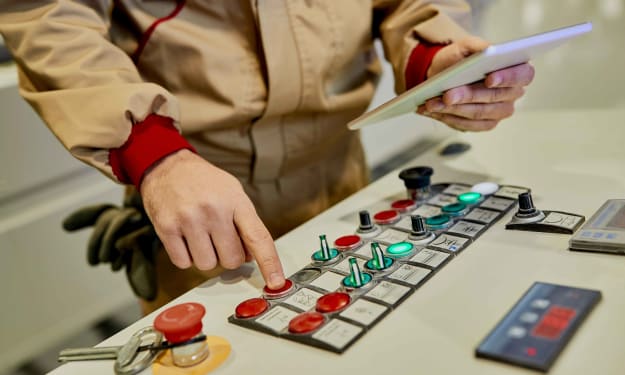
- Industrial Equipment: Think factory machines or control panels. Workers wearing gloves or working in dim light need those raised buttons to operate things fast and safely.
- Consumer Electronics: Remote controls, calculators, or kitchen appliances often use embossed overlays for durability and that satisfying click-feel.
- Automotive: Car dashboards or control switches rely on embossed designs for a rugged, user-friendly setup driver can trust.
Embossed overlays work best when you need something tough and easy to use, especially in demanding or hands-on environments.
Applications of Flat Graphic Overlays
Flat overlays have their own sweet spots. Check these out.
- Medical Devices: Think of hospital equipment like monitors or infusion pumps. Flat overlays are smooth and easy to wipe down, keeping things germ-free.
- Touch screen Interfaces: Smartphones, tablets, or kiosks often use flat overlays for a seamless, modern look that pairs with touch tech.
- Household Appliances: Microwaves, ovens, or washing machines use flat overlays for simple, affordable labeling that still looks good.
Flat overlays are perfect when you want a clean design, low cost, and easy upkeep—especially in settings where looks and hygiene matter.
Trends and Innovations in Graphic Overlays
Graphic overlays aren’t stuck in the past—they’re evolving. For embossed overlays, new materials are making them lighter and tougher, so they last even longer. Think thinner layers that still hold up under pressure. Flat overlays are getting upgrades too, like high-resolution printing for sharper designs and scratch-resistant coatings to boost durability.
There’s also a push toward hybrid options—mixing embossed and flat features. Imagine a flat overlay with just a few raised buttons for key functions. It’s the best of both worlds. Looking ahead, sustainability is big—companies are testing eco-friendly materials like recycled plastics. And smart overlays? They’re coming too, with built-in technology like capacitive touch for next-level interactivity.
When it comes to embossed versus flat graphic overlays, it’s all about what vibe you’re going for. Embossed overlays give you that solid, touchable feel—tough enough to handle rough days and fancy enough to impress. They’re your go-to for devices that need to feel intuitive and last forever. Flat overlays, though? They’re the chill, wallet-friendly option—smooth, modern, and super easy to tweak whenever you want a fresh look.
It’s your call, really. If you’re after durability and hands-on experience, embossed has your back. If you’re keeping it simple and stylish without breaking the bank, flat is the way to go. Just think about your budget, where the device will live, and how people will use it.
About the Creator
Jason Sky
Hey, I am Jason Sky, and I'm an electrical engineer with over a decade of experience in the field. I'm proud to say that I've played a key role in many significant projects over the years.


Comments
There are no comments for this story
Be the first to respond and start the conversation.