
Elon Musk's Acquisition Strategy
Transforming the Tech Industry with Visionary Investments and Innovations

Title: Elon Musk’s Acquisition Strategy: A Blueprint for the Future of the Tech Industry
Introduction:
In recent years, Elon Musk has emerged as one of the most successful and influential entrepreneurs of our time. He has founded and led several cutting-edge companies, including Tesla, SpaceX, Neuralink, and The Boring Company, each of which is at the forefront of its respective field. However, Musk’s ambitions do not stop there. He has repeatedly expressed his desire to acquire or invest in other tech companies that share his vision of transforming the world through technology. In this thesis article, we will explore Musk’s acquisition strategy and its potential impact on the tech industry.
Background:
Elon Musk’s success as an entrepreneur is rooted in his ability to identify and pursue opportunities that others may overlook. He has a unique vision of the future and is not afraid to take risks to achieve his goals. Musk’s acquisition strategy is an extension of this mindset. By acquiring or investing in other companies, he can accelerate his own goals while also supporting the growth and development of the tech industry as a whole.
Acquisitions:
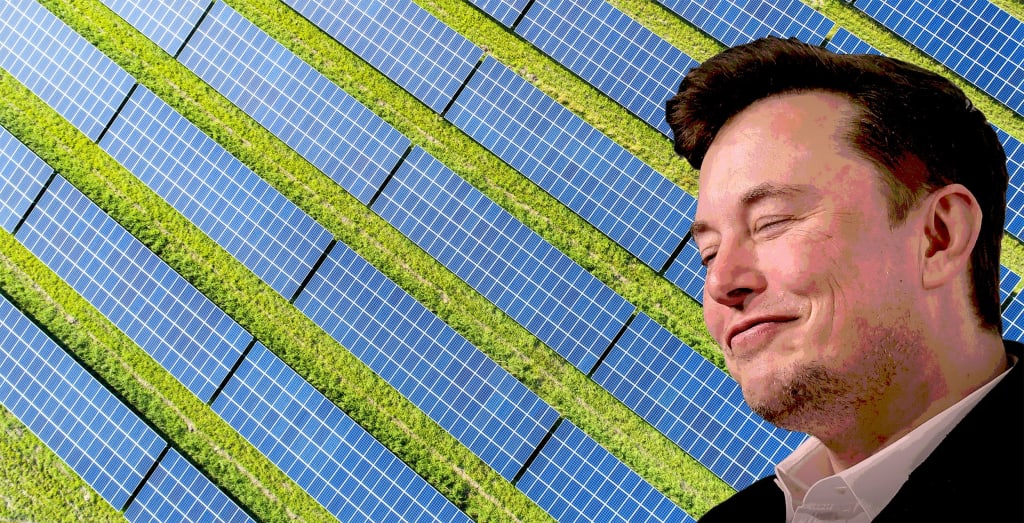
Musk’s most high-profile acquisition to date is his $2.6 billion purchase of SolarCity in 2016. SolarCity was a leading provider of solar energy systems, and Musk saw the acquisition as a way to advance his goal of creating a sustainable energy future. The acquisition also allowed Musk to integrate solar energy systems with Tesla’s electric vehicles, creating a more comprehensive and integrated solution for sustainable transportation.
Another significant acquisition for Musk was his purchase of Maxwell Technologies in 2019. Maxwell was a leading developer of energy storage and power delivery solutions, and Musk saw the acquisition as a way to improve the performance and efficiency of Tesla’s electric vehicles. The acquisition also gave Tesla access to Maxwell’s ultracapacitor technology, which has the potential to revolutionize energy storage in a wide range of applications.
Investments:
In addition to acquisitions, Musk has also made strategic investments in several tech companies. In 2015, he invested $1 billion in OpenAI, a research company dedicated to advancing artificial intelligence in a safe and beneficial way. Musk has long been an advocate for responsible AI development, and his investment in OpenAI reflects his commitment to advancing the field while also mitigating its potential risks.
More recently, Musk has made a series of investments in cryptocurrency, including Bitcoin and Dogecoin. While these investments are not directly related to Musk’s core businesses, they demonstrate his willingness to explore new and unconventional opportunities.
Strategy:
Musk’s acquisition and investment strategy is not driven solely by financial considerations. Instead, he looks for companies that share his vision and values, and that have the potential to make a positive impact on the world. This is reflected in his focus on sustainable energy, transportation, and artificial intelligence, as well as his interest in exploring the potential of cryptocurrency.
Musk’s strategy is also characterized by a long-term perspective. He is willing to invest heavily in research and development, even if it means short-term losses or delays. This is reflected in his investments in battery technology, autonomous driving, and space exploration, all of which are expected to pay off in the long run.
Impact:
Musk’s acquisition and investment strategy has the potential to reshape the tech industry in several ways. First, it could accelerate the pace of innovation in areas such as sustainable energy, transportation, and artificial intelligence. By combining the resources and expertise of multiple companies, Musk can create a more comprehensive and integrated approach to these fields.
Second, Musk’s acquisitions and investments could help to mitigate the risks associated with new and emerging technologies. By investing in responsible AI development, for example, Musk is helping to ensure that the benefits of AI are realized while also minimizing the potential risks. Similarly, his focus on sustainable energy and transportation could help to mitigate the risks associated with climate change and fossil fuel dependence.
Third, Musk’s acquisition and investment strategy could challenge traditional industry players and disrupt existing business models. By leveraging the power of new technologies and innovation, Musk’s companies could change the way we think about transportation, energy, and other industries.
However, there are also potential downsides to Musk’s acquisition strategy. One concern is that it could lead to monopolies in certain industries, reducing competition and potentially stifling innovation. There is also the risk that Musk’s companies could become overextended, spreading resources too thin and diluting the focus on their core businesses.
Conclusion:
Elon Musk’s acquisition and investment strategy represents a bold and visionary approach to the tech industry. By pursuing opportunities that others may overlook, and by focusing on long-term goals and values, Musk is positioning himself and his companies for success in the years to come. However, there are also potential risks and downsides to this strategy, and it will be important to monitor its impact on the industry as a whole. As we look to the future, one thing is clear: Elon Musk will continue to be a major player in the tech industry, and his impact will be felt for years to come.
About the Creator
Rio Vijey
As a lifelong lover of storytelling, I am thrilled to begin my journey as a writer. I have a vivid imagination and a passion for exploring the depths of the human experience through fiction.
Miss Persephone's Manual to a Seemingly Ordinary Life
Miss Persephone was found at the dining table, her blue eyes swollen, her tears arriving and retreating like the tides of the ocean. Earlier that day, her family had visited her in the retirement home where she had lived for eight years. It was her eightieth birthday.
By Imola Tóth2 days ago in Fiction


Comments
There are no comments for this story
Be the first to respond and start the conversation.