
Efficient Management of Pole Rack and Pole Yard in Utility Operations
Optimizing Storage, Organization, and Accessibility for Enhanced Workflow and Safety


Utility companies and infrastructure service providers rely heavily on wooden, steel, or concrete poles for power distribution, telecommunications, and street lighting. Effective management of pole racks and pole yards is essential to ensuring seamless operations, minimizing costs, and maintaining workplace safety. A well-organized pole yard improves accessibility, reduces handling time, and ensures compliance with industry safety standards. This article explores the importance of efficient pole rack and pole yard management, its benefits, and best practices for optimizing storage and logistics.
Understanding Pole Racks and Pole Yards
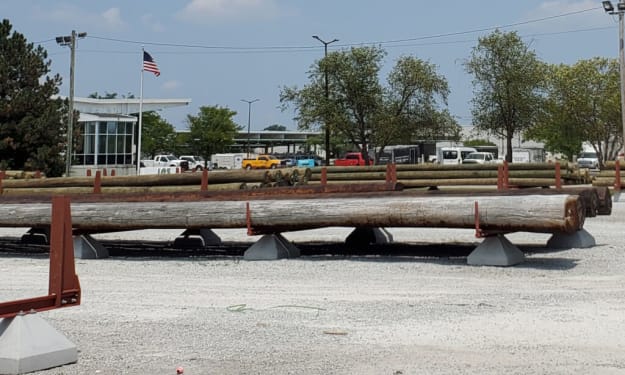
A pole rack is a structured storage system designed to hold utility poles securely in place. These racks prevent poles from rolling, shifting, or becoming a safety hazard. A pole yard, on the other hand, is a dedicated outdoor or semi-covered space where utility poles are stored before distribution or installation. A well-maintained pole yard ensures streamlined operations, easy accessibility, and a reduced risk of workplace injuries.
The Importance of Efficient Pole Yard Management
Managing a pole yard efficiently is critical for utility providers and contractors who rely on a steady supply of poles for their projects. The following are key reasons why pole yard organization matters:
Enhanced Safety: Poorly stored poles can roll, tip, or cause injury. Secure stacking, clear pathways, and proper labeling minimize risks.
Operational Efficiency: A structured yard reduces handling time, ensuring that poles are easily accessible when needed.
Inventory Accuracy: Keeping track of pole types, sizes, and quantities prevents shortages, overstocking, and delays.
Cost Optimization: Organized pole yards reduce material waste, handling costs, and equipment downtime, leading to overall savings.
Regulatory Compliance: Utility companies must adhere to OSHA (Occupational Safety and Health Administration) and other industry guidelines for workplace safety and environmental considerations.
Best Practices for Pole Rack and Pole Yard Management
1. Strategic Layout Planning
A well-planned pole yard layout enhances movement, accessibility, and operational flow. Consider factors such as entry/exit points, loading/unloading zones, and designated storage areas. Ensure that racks are placed in a way that minimizes manual handling and optimizes crane or forklift operations.
2. Proper Pole Stacking and Securing Methods
Poles should be stacked systematically based on type, length, and material. Using proper securing methods, such as tie-downs, separators, or racks with support bars, prevents shifting and accidents. Avoid excessive stacking heights to reduce tipping hazards.
3. Implementing an Inventory Management System
An automated inventory tracking system using barcodes, RFID (Radio Frequency Identification), or digital logs can streamline stock management. Digital tracking helps workers locate specific poles quickly and reduces the chances of misplacement.
4. Regular Inspections and Maintenance
Routine yard inspections help identify deteriorating poles, structural weaknesses in racks, or environmental concerns such as waterlogging. Preventative maintenance minimizes damage and ensures compliance with safety regulations.
5. Weather Protection and Sustainability Measures
Since poles are often stored outdoors, weather conditions can impact their quality. Using covered storage, applying protective coatings, or implementing drainage solutions helps maintain pole durability. Additionally, adopting sustainable disposal methods for damaged or obsolete poles reduces environmental impact.
6. Safety Training for Workers
Ensuring that all personnel handling poles are trained in safe lifting techniques, equipment usage, and emergency procedures reduces workplace accidents. Regular safety drills and the use of personal protective equipment (PPE) are essential for maintaining a hazard-free environment.
Conclusion
Efficient management of pole racks and pole yards plays a crucial role in optimizing utility operations. By implementing best practices such as strategic layout planning, proper stacking, inventory tracking, and safety training, utility companies can improve workflow efficiency, minimize risks, and reduce operational costs. A well-organized pole yard not only enhances productivity but also contributes to long-term sustainability and regulatory compliance, ensuring smooth and safe utility infrastructure management.
About the Creator
CMS Utility Services
CMS Utility Services designs and builds utility infrastructure like utility pole yards and racks. We offer safe, reliable, and efficient solutions.
Keep reading
More stories from CMS Utility Services and writers in Journal and other communities.
Utility Operations with CMS Utility Services Pole Yard Solutions
CMS Utility Services, a leader in utility infrastructure solutions, is proud to offer a suite of services designed to optimize utility pole storage and management. With over 40 years of experience, CMS specializes in the design, construction, and refurbishment of pole racks and pole yards, ensuring safety, efficiency, and compliance for utility companies nationwide. By providing customized solutions that cater to the unique needs of each utility provider, CMS has established itself as a trusted partner in the industry.
By CMS Utility Servicesabout a year ago in Lifehack
Multi-Model AI Architectures: Combining Models for Better Results
For a time, the tech world has been trying to build bigger and bigger AI models. The idea was simple: if you want a system, just put more data and more parts into one big model. Yes, these big models are pretty cool. They can write poetry, answer questions, and generate code all at the same time.
By Eric Westona day ago in Journal



Comments
There are no comments for this story
Be the first to respond and start the conversation.