
Effects of Income Tax on Businesses
What is income tax:
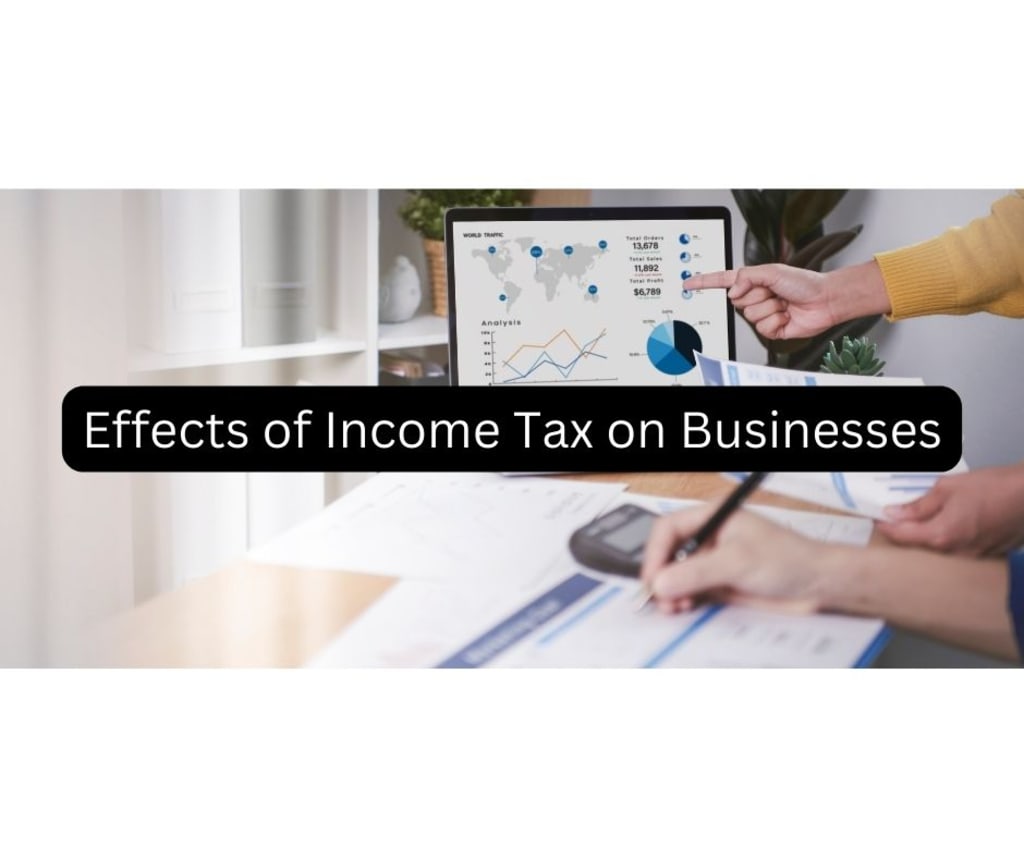
The term income tax refers to the type of tax imposed on the income generated by businesses and individuals by the government. According to law, Taxpayers must submit their tax details for the year to check their taxable income. Income taxes are a way of revenue for governments.
For small businesses, taxes are a financial burden which impacts their ability to invest in their business and their employees. 77% of small business owners report that the federal income tax system is brutal in terms of policies.
Types of Taxes:
Tax is compulsory to carry out developmental and non-developmental activities for the benefit of people. There are three types of tax:
• Progressive Taxes
• Regressive Taxes
• Proportional Taxes
Progressive Taxes:
The type of tax in which the tax increases as the income increases.
Regressive Taxes:
The type of tax in which the tax decreases as the income decreases.
Proportional Taxes:
The type of tax in which the tax rate is equal to income.
Forms of Taxes:
There are two forms of taxes:
• Direct Taxes
• Indirect Taxes
Direct Taxes:
The form of tax imposed on the income. It doesn’t affect another person. Income Tax and Property Tax are examples of direct taxes.
Indirect Taxes:
The form of tax imposed on goods and services. It is going to affect another person. Sale tax, Value added tax and Service Tax are indirect taxes.
Small Business:
Small businesses are those in which production is small-scale. Operate by a single owner. These businesses generally fall under sole proprietorship.
Role of small business in an economy:
• Employment Creation
• Economic Value
• Optimum utilization of resources
• Enhancing skill and technological innovation
Impact Of Income tax on Small Business:
High taxes can affect the size and strength of the business in many ways. This helps in preventing new business owners to start their businesses. Second, it can slow down the process of expansion and growth of the small business, and third, it can weaken the ability of an individual to survive as an independent business by making a profit from a sale that looks more attractive than the salary, they are giving you.
Large Business:
Large businesses are those businesses in which production is done on large scale.
Role of Large business in an economy:
• Pays a significant amount of income tax, property tax and employment tax
• More business in the local economy
Where do taxes go?
There are three main categories where your taxes go.
1. Interest in government debt
2. Mandatory Spendings
Interest in Government Debts:
The interest on debt, which should be paid by federal governments every year, is established on two factors, the amount of debt and the rise and fall of interest rates. And since the debt amount and interest rates increase over the next few years. And the amount of your debt. It means increasing tax rates for those payments.
Mandatory Spending:
This technique has gone up over the past years since 1962. And there are two reasons why. First, the introduction of new terms like Medicare and Medicaid, the income tax credit, and the child tax credit. Second, the population getting these benefits known as baby boomers enter retirement age, and start collecting Social Security benefits, and Medicare.
Tax Effect on Supply & Demand:
Some countries impose a tax on certain goods and services to generate revenue. However, it also impacts human behaviour. It affects different factors of demand and supply.
• Effect on Price
• Effect on Equilibrium
• Impact on Demand
Effect on Price:
One of the effects of the tax on demand and supply involves an increase in the price of goods. It happens because businesses must pay more for the product, including machinery and computer equipment.
Effect on Equilibrium:
Equilibrium is where the producer’s supply and customer’s demand match at a stable point. It results in increasing the price of the good. It causes the price equilibrium to fall.
Impact on Demand:
While tax directly impacts supply and indirectly impacts consumer demand because it also affects customer buying power. When taxes are high, consumers spend more money on taxes and less to spend on additional goods.
About the Creator
Keep reading
More stories from Hassan Sohail and writers in Journal and other communities.
A Complete guide on Content Marketing.
Content marketing is a type of marketing which includes creating and sharing online content. Such as Videos, Blogs, and Social Media posts. Its main intention is not about promoting its brand, but it focuses on developing an interest in people about its products and services.
By Hassan Sohail3 years ago in Education
What Is Your Favorite Bible Verse?
Sometimes a few words from the Bible can change the way we see the world and guide the way we live our lives. One of my favorite verses comes from Isaiah 61:3. It says, “I will give them a crown of beauty instead of ashes of despair, the oil of joy instead of mourning, and a garment of praise instead of a spirit of despair.” These words have carried a lot of meaning for me over the years. They have been more than inspiration. They have been a guide for how I try to show up in the lives of the people I care about.
By Sound and Spirit4 days ago in Journal


Comments
There are no comments for this story
Be the first to respond and start the conversation.