
Ecommerce SEO Agency: The Complete Guide for Online Store Owners
How Specialized SEO Services Can Drive Massive Growth and Revenue for Your Online Store

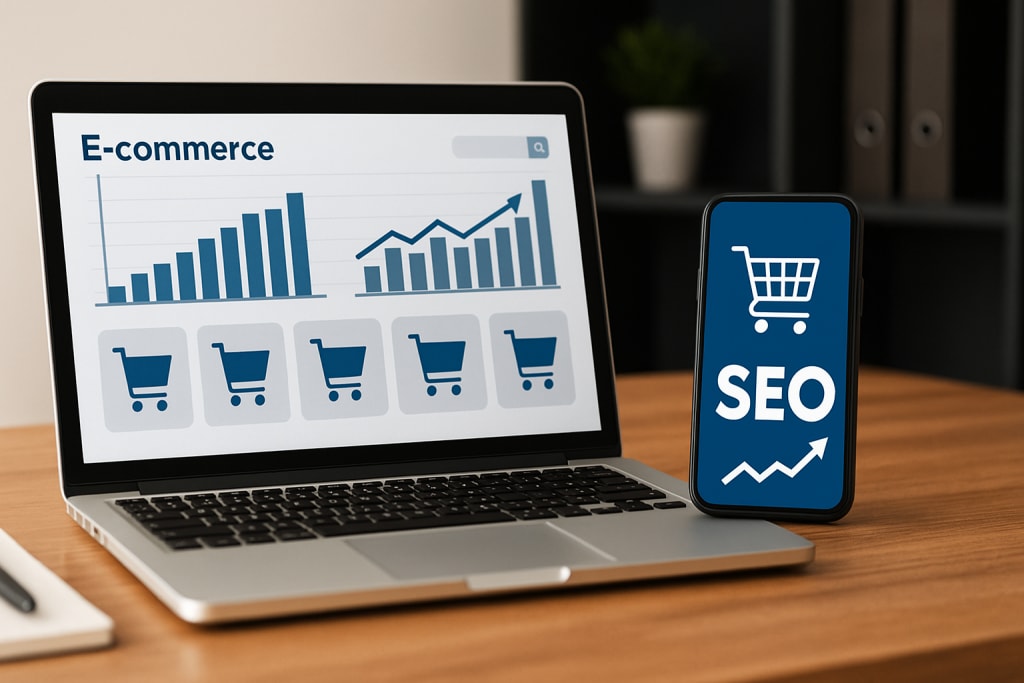
Your ecommerce store could be losing thousands of dollars every month. While you focus on inventory, customer service, and fulfillment, your competitors are capturing the organic search traffic that should be driving customers to your products. The brutal reality is that 68% of online experiences begin with a search engine, and if you're not visible, you're invisible to potential buyers.
This visibility gap grows wider each day without proper SEO. Every missed ranking opportunity means lost revenue, reduced market share, and competitors strengthening their position in your niche. An ecommerce SEO agency specializes in solving these exact challenges, transforming invisible online stores into traffic-generating, revenue-producing machines.
You'll discover what makes ecommerce SEO fundamentally different from regular SEO, clear signs that indicate you need professional help, what to expect from a specialized agency, and how to choose the right partner for your business growth.
What is an Ecommerce SEO Agency?
An ecommerce SEO agency is a specialized digital marketing firm that focuses exclusively on optimizing online stores for search engines. Unlike general SEO companies that work across various industries, these agencies understand the unique technical requirements, user behaviors, and conversion challenges specific to ecommerce platforms.
These agencies master the complexities of product catalogs, category structures, inventory fluctuations, and the delicate balance between driving traffic and converting visitors into buyers. They work with platforms like Shopify, WooCommerce, Magento, and BigCommerce, understanding each system's technical limitations and optimization opportunities.
Core services include technical SEO audits, product page optimization, category structure planning, site speed improvements, mobile optimization, structured data implementation, and ecommerce-specific link building strategies. They also handle inventory-based SEO challenges like managing discontinued products, seasonal inventory changes, and variant optimization.
The key differentiator is their focus on revenue generation rather than just traffic increases. While a general SEO agency might celebrate a 50% traffic boost, an ecommerce SEO agency measures success by conversion rates, average order values, and actual revenue attribution from organic search.
Why Ecommerce SEO Requires Specialized Expertise
Ecommerce SEO presents unique challenges that general SEO practitioners often underestimate or mishandle. Product pages require different optimization strategies than blog posts or service pages. Each product needs strategic keyword targeting, compelling descriptions, optimized images, and structured data markup to appear in rich search results.
Technical complexities multiply with inventory scale. Large product catalogs create crawling inefficiencies, duplicate content issues from similar products, and site speed challenges from high-resolution images and complex filtering systems. Managing these technical elements requires specialized tools and experience that general agencies typically lack.
Inventory management creates ongoing SEO challenges. When products go out of stock, disappear seasonally, or get discontinued, improper handling damages search rankings. Professional ecommerce SEO agencies implement systems to manage these transitions without losing accumulated page authority or creating broken user experiences.
Consider the real example of a fashion retailer working with a general SEO agency. Despite increasing blog traffic by 200%, online sales remained flat because the agency focused on informational content rather than commercial product optimization. After switching to an ecommerce SEO agency, they restructured product categories, optimized high-converting product pages, and implemented proper inventory management protocols. Revenue from organic search increased 340% within eight months.
The conversion optimization aspect also differs significantly. Ecommerce sites must balance search engine requirements with user experience elements like filtering options, product comparisons, and checkout processes that directly impact sales conversion rates.
Signs You Need an Ecommerce SEO Agency
Several clear indicators suggest your business needs professional ecommerce SEO support:
Your organic traffic is declining despite adding new products or expanding your catalog. This typically indicates technical issues, poor site structure, or ineffective keyword targeting that requires expert diagnosis and resolution.
Product pages rank poorly for relevant search terms, especially when you offer competitive products. If potential customers can't find your products when searching for exactly what you sell, you're losing direct sales opportunities to competitors.
You're experiencing technical SEO issues beyond your team's capability. Problems like slow page load speeds, mobile optimization failures, crawling errors, or structured data implementation require specialized technical knowledge to resolve properly.
Your internal team lacks ecommerce SEO expertise or time to manage optimization effectively. SEO requires consistent attention and specialized knowledge that many business owners and general marketing teams don't possess.
The cost-benefit analysis becomes clear when you calculate missed opportunities. If your average order value is $75 and you're missing 1,000 potential monthly visitors due to poor rankings, that represents $75,000 in lost monthly revenue potential. Professional agency fees typically represent a fraction of this missed revenue opportunity.
You should also consider professional help when your DIY efforts plateau. Many store owners achieve initial improvements through basic optimization but struggle to break through competitive barriers that require advanced technical strategies and industry connections.
What to Expect from a Professional Ecommerce SEO Agency
A quality ecommerce SEO agency begins with a comprehensive technical audit of your current site performance, identifying specific opportunities and technical barriers limiting your search visibility. This audit covers site architecture, page speed, mobile optimization, product page structure, category organization, and technical SEO foundations.
Strategy development follows, focusing on your specific products, target markets, and competitive landscape. The agency identifies high-value keyword opportunities, maps content strategies to customer purchase journeys, and creates implementation timelines aligned with your business goals.
Technical optimization services address the foundational elements that impact search performance. This includes site speed improvements, mobile optimization, structured data implementation, XML sitemap optimization, and resolving crawling issues that prevent search engines from properly indexing your products.
Content and product optimization involves strategic keyword integration, compelling product descriptions, optimized category pages, and content that serves both search engines and potential customers. The focus remains on driving qualified traffic that converts into sales rather than just increasing visitor numbers.
Link building for ecommerce requires specialized strategies. Professional agencies build relationships with industry publications, influencers, and complementary businesses to earn high-quality backlinks that boost domain authority and product page rankings.
Performance tracking and reporting focus on metrics that matter for ecommerce success. Beyond traffic increases, you'll receive detailed reports on keyword rankings, organic revenue attribution, conversion rate improvements, and ROI from SEO investments.
Timeline expectations vary based on competition and current site status, but most agencies deliver initial improvements within 3-4 months, with significant results typically visible within 6-8 months of consistent optimization efforts.
How to Choose the Right Ecommerce SEO Agency
Start by asking potential agencies about their specific ecommerce experience and client results. Request case studies showing actual revenue improvements, not just traffic increases. Agencies should provide examples of similar businesses they've helped and specific strategies they implemented.
Evaluate their technical expertise by discussing your platform's specific challenges. Quality agencies will ask detailed questions about your current setup, inventory management processes, and technical limitations before proposing solutions.
Review their service offerings carefully. Comprehensive ecommerce SEO requires technical optimization, content strategy, link building, and ongoing performance monitoring. Agencies offering only one or two services likely can't address all your optimization needs.
Pricing models vary, but be cautious of extremely low-cost providers or agencies promising unrealistic results timeframes. Quality ecommerce SEO requires significant expertise and ongoing effort. Reasonable monthly retainers typically range from $2,000 to $10,000 depending on store size and competition level.
Communication and reporting standards matter significantly. Choose agencies that provide regular updates, clear performance metrics, and accessible account management. You should understand what work is being performed and how it impacts your business results.
Red flags include guarantees of specific rankings, requests for long-term contracts without trial periods, lack of ecommerce-specific case studies, or inability to explain their optimization strategies clearly.
Conclusion
Choosing the right ecommerce SEO agency can transform your online store from invisible to indispensable in search results. Focus on agencies with proven ecommerce experience, comprehensive service offerings, and transparent reporting practices. The investment in specialized expertise typically pays for itself through increased organic revenue within the first year. Start by auditing your current SEO performance and requesting consultations from qualified agencies to understand your specific optimization opportunities.
About the Creator
Keep reading
More stories from Daily Blog and writers in Journal and other communities.
The Future of Branding in the Metaverse — Are You Ready for Web3 Marketing?
It’s 2 a.m., I’m in my Brooklyn apartment, headset over one ear, watching my avatar stroll through a virtual mall. A billboard lights up advising my digital self to try crypto‑pills (I’m not even sure what that is). This isn’t a game—it’s early Web3 real estate.
By Daily Blog7 months ago in Journal
Florida Business Insurance Requirements
Running a business in Florida means operating in one of the most dynamic—and complex—risk environments in the country. Between climate exposure, legal requirements, contractual obligations, and industry-specific risks, insurance is not just a formality. It is a structural component of how a business survives disruptions, disputes, and unexpected losses.
By American US Insurance2 days ago in Journal




Comments
There are no comments for this story
Be the first to respond and start the conversation.