
Eco-Friendly Cooling in an Era of Climate Change
What Homeowners Need to Know

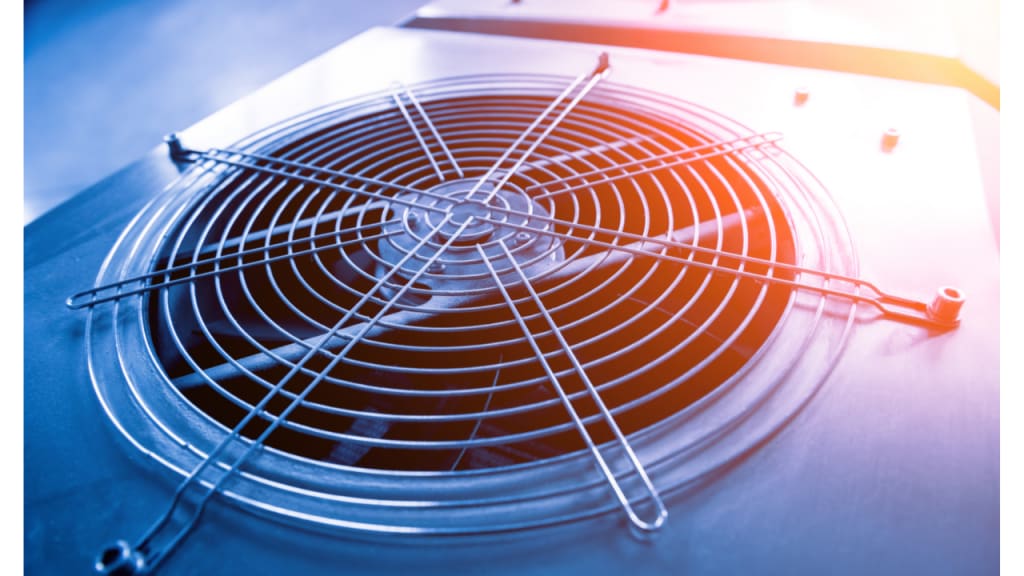
As global temperatures rise, finding efficient and environmentally conscious ways to cool our homes has become more critical than ever. The sweltering heat of summer is no longer just a discomfort but a significant challenge, pushing many homeowners to seek solutions that balance personal comfort with planetary health. When considering a new AC installation, it is crucial to look beyond the initial purchase price and consider long-term energy efficiency, refrigerant type, and overall environmental impact. This article will guide you through the key considerations and innovations that can help you make an eco-friendly choice for your home's cooling needs.
The Environmental Cost of Conventional Cooling
Traditional air conditioning units, while effective, have long contributed to environmental problems. A significant issue is the use of refrigerants, particularly hydrofluorocarbons (HFCs). HFCs are potent greenhouse gases, with a global warming potential hundreds or thousands of times greater than carbon dioxide. Leaks from these systems release these harmful gases into the atmosphere, accelerating climate change.
Moreover, conventional AC units are major consumers of electricity. The energy required to power millions of these units globally puts immense strain on power grids, often leading to increased reliance on fossil fuels for electricity generation. This cycle of consumption and emission contributes to a negative feedback loop: the hotter it gets, the more we use AC, and the more we use AC, the more we contribute to the heat. Recognizing this connection is the first step toward finding a sustainable solution.
Innovations in Refrigerant Technology
The good news is that the HVAC industry is rapidly moving toward more sustainable refrigerants. Many new systems now use refrigerants with a much lower global warming potential (GWP), such as R-32 or other blends. R-32, for instance, has a GWP that is about one third of the widely used R-410A. While not a perfect solution, this transition significantly reduces the climate impact of refrigerant leaks.
For homeowners, this means that when you are looking at a new system, asking your HVAC technician about the type of refrigerant is a vital step. Opting for a unit that uses a low-GWP refrigerant is a direct way to reduce your carbon footprint. As technology progresses, even better alternatives are on the horizon, but for now, making the switch to R-32 or similar options is a highly effective, immediate action you can take.
The Power of Energy Efficiency
Energy efficiency is the single most important factor in reducing the environmental impact of your air conditioning system. The efficiency of an AC unit is measured by its SEER (Seasonal Energy Efficiency Ratio) rating. A higher SEER rating indicates a more efficient unit, meaning it uses less electricity to produce the same amount of cooling. While a high-SEER unit may have a higher upfront cost, the long-term savings on your utility bills and the reduction in your environmental impact are substantial.
Beyond the SEER rating, several technologies are revolutionizing energy efficiency. Variable speed compressors, for example, can adjust their output to match the cooling load precisely, rather than cycling on and off at full power. This not only saves energy but also provides more consistent cooling and better dehumidification. Smart thermostats also play a crucial role, allowing you to program cooling schedules and even learn your habits to optimize energy use automatically. Integrating these technologies can lead to significant reductions in your home's overall energy consumption.
Beyond the Unit: Holistic Cooling Strategies
An eco-friendly home cooling strategy goes beyond just the AC unit itself. It involves a holistic approach to home comfort. The first step is to improve your home's thermal envelope. Proper insulation in the attic, walls, and floors can drastically reduce the amount of heat entering your home. Sealing air leaks around windows and doors prevents conditioned air from escaping. These measures can reduce your cooling needs so significantly that a smaller, more efficient AC unit can do the job.
Ventilation is another key component. A well-designed ventilation system can bring in fresh, cool air during the night and exhaust hot air during the day, reducing the load on your air conditioner. Landscaping also plays a role. Planting shade trees or shrubs around your home can naturally cool your property, lowering the temperature of your roof and walls and reducing the amount of heat that needs to be removed. These passive cooling strategies are a cost-effective and environmentally friendly way to supplement your AC system.
Geothermal and Other Advanced Systems
For those looking for a truly cutting-edge and sustainable cooling solution, geothermal systems are an excellent option. Geothermal heat pumps use the stable temperature of the earth to provide both heating and cooling.
By transferring heat to or from the ground, these systems can be up to 60 percent more efficient than conventional HVAC systems. While the initial installation cost is higher, the long-term energy savings and environmental benefits are immense.
Other advanced systems include ductless mini split systems. These units are highly efficient and allow for zoned cooling, meaning you only cool the rooms you are using. This eliminates the energy waste associated with cooling an entire house when only one or two rooms are occupied. The flexibility and high efficiency of these systems make them a popular choice for homeowners looking to modernize their cooling setup while prioritizing sustainability.
The Future of Cooling: A Climate-Conscious Approach
The path toward eco-friendly cooling is a journey of continuous improvement. As homeowners, our choices matter. By opting for high-efficiency units, embracing new technologies, and adopting holistic home cooling strategies, we can reduce our energy consumption and minimize our environmental footprint. The key is to move away from a reactive mindset of simply coping with the heat and instead adopt a proactive stance that addresses the root causes of our energy usage.
Making a climate-conscious choice for your home’s cooling system is not just about being green; it's about investing in a more comfortable and sustainable future. The technologies and strategies discussed here are not just trends but essential tools for a world grappling with the realities of climate change. Contact a certified HVAC professional today to get a home energy audit and explore your options for an efficient, sustainable cooling system.
About the Creator
Keep reading
More stories from The Weekend Project and writers in Journal and other communities.
The Science of Comfort
In the modern workplace, the pursuit of efficiency and peak performance is a constant endeavor. While technology and management strategies often take center stage, a fundamental yet often overlooked factor has a profound impact on a company's most valuable asset: its people. That factor is the very air they breathe, the temperature they feel, and the comfort of their physical environment. A well-designed and properly maintained commercial HVAC system is far more than just a climate control mechanism; it is a strategic investment in the health, happiness, and productivity of every employee. Understanding this intricate relationship reveals how the science of comfort directly translates to a more engaged and effective workforce.
By The Weekend Project6 months ago in Journal
Hoppers Movie Review: Pixar’s Wild, Funny, and Surprisingly Dark New Adventure
There’s always something special about a brand-new Pixar movie hitting theaters. Whether you grew up watching their classics or discovered them later, Pixar has built a reputation for delivering emotional, creative, and unforgettable animated stories. Now, the studio is back with a fresh original film — Hoppers.
By Bella Anderson6 days ago in Journal




Comments
There are no comments for this story
Be the first to respond and start the conversation.