
Echoes of Joy: A Glimpse into the Golden Days of Village Sports and Pashtoon Values
From dusty grounds to digital screens – how a generation's bond with culture, ethics, and community is fading

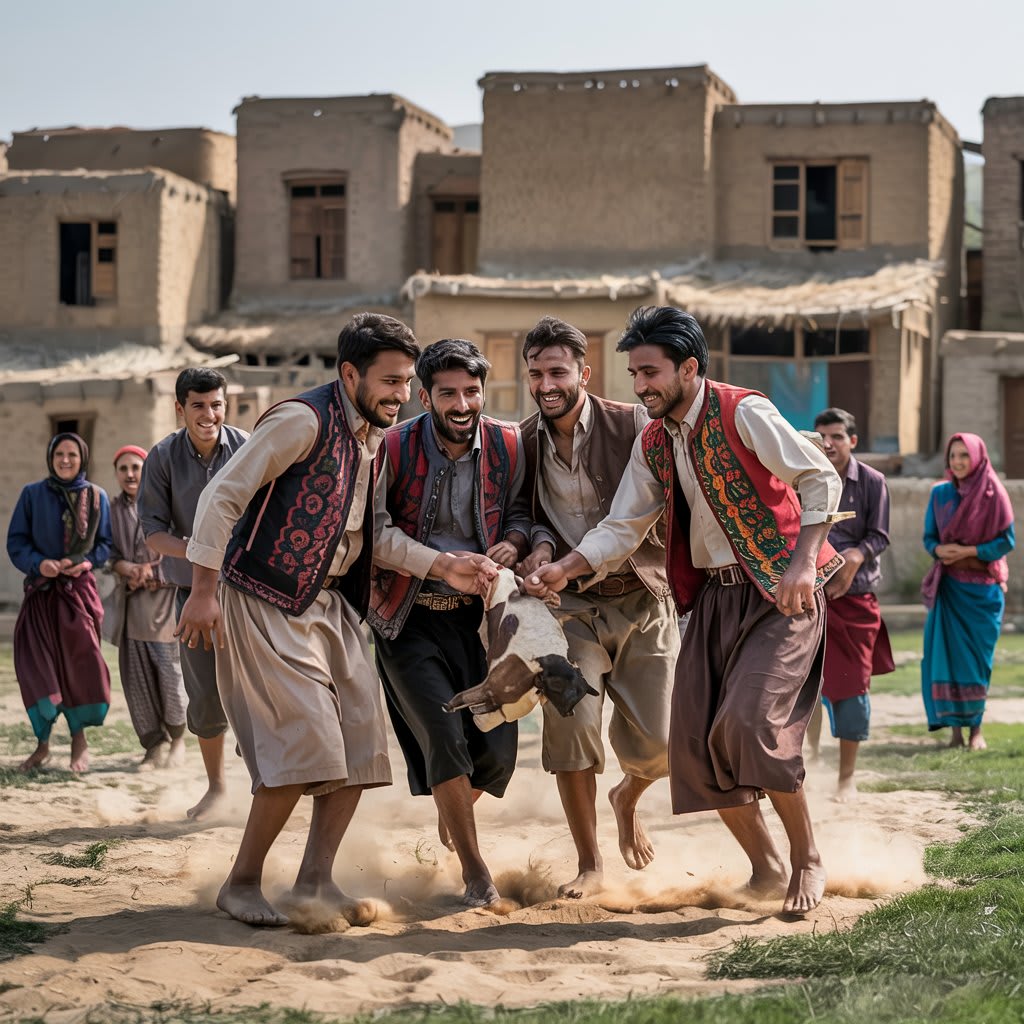
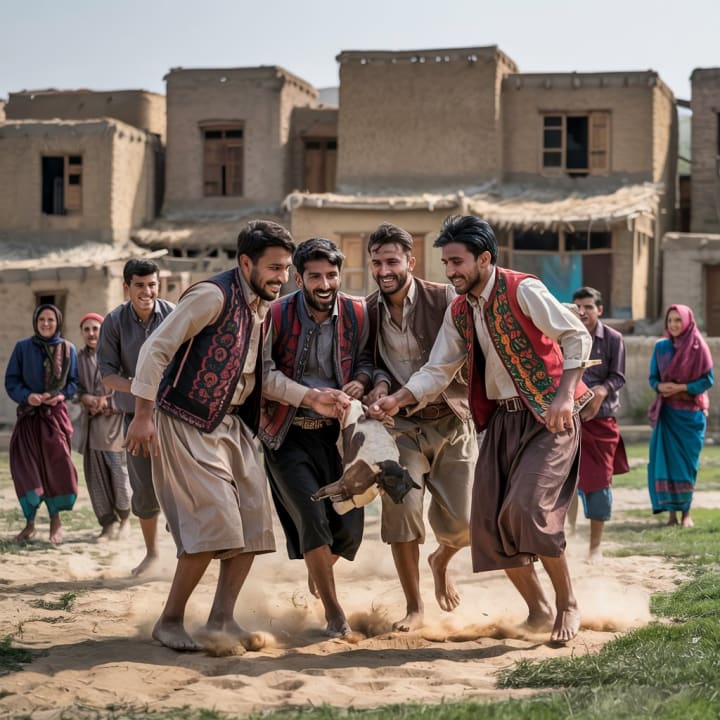
There was a time in our village when life was simple, joyful, and full of meaning. As children between the ages of 10 to 20, we found happiness not in technology or luxury, but in dusty playgrounds, loud laughter, and the thrill of sports. Cricket, football, and volleyball were not just games—they were our passion, our daily escape, and a bridge that connected generations.
We had very limited access to proper sports equipment. Most of the time, the bat, ball, or even the goalposts were improvised or borrowed. Our playground was not big either. It was a small ground, surrounded by tall eucalyptus trees. But those trees never stopped us. Instead, they became part of our story. We learned to play around them, sometimes using them as field boundaries or shade when taking breaks.
Despite the shortage of resources, our enthusiasm never faded. Cricket, in particular, was the most played and beloved sport in our village. It brought together boys of all ages, and even older men from the village would join us sometimes. The cricket matches were often crowded. Unlike the official format of 11 players per side, our teams would sometimes include more than 11, depending on who showed up. No one was turned away, because the goal was not to win trophies—it was to enjoy, compete with passion, and belong.
Our routine was beautifully structured. Cricket matches would begin after the Asar prayer. As the golden sunlight faded over the horizon, our games became more intense. The sound of bat hitting the ball, teammates shouting in excitement, and spectators cheering echoed across the village. This daily ritual continued until the Maghrib Azan, signaling the end of play.
After Maghrib prayer, another equally cherished tradition followed. We would gather in the Hujra, a central place in Pashtoon culture where men sit together to discuss village matters, attend ceremonies, and socialize. It was here that we, the "cricket boys," sat down to reflect on the match. Sometimes, the discussions turned into arguments about who performed well and who didn’t, or which decision was fair or unfair. But these arguments were never disrespectful. They were a sign of how deeply we cared. These conversations would continue until the Esha prayer, after which everyone returned to their homes.
Mornings were for education, household chores, or helping in the fields. But in the evening, the whole village would once again come alive with energy. That daily cycle of work, prayer, play, and discussion not only kept us physically active but also deeply connected to our roots.
Looking back now, I realize those moments were not just about sports. They were our foundation. Through those games, we were learning discipline, respect, patience, and the ethics of Pashtoon society. We learned how to deal with victory and defeat, how to accept criticism, and how to cooperate with others. Our elders' presence, either in the games or in the Hujra, constantly reminded us of the values we were expected to uphold.
But times have changed.
Today, the village playground stands almost empty. Children no longer gather after Asar for a match. The joy of sports has been replaced by the glow of mobile phone screens. The sound of bat and ball has been replaced by the sound of notifications and video reels. While technology can be beneficial if used wisely, its overuse has become a dangerous addiction.
In our days, Facebook was considered something extraordinary. It had limited features and was mostly used to connect with friends or post occasional pictures. But today’s children are growing up in a very different digital environment. With platforms like TikTok and Instagram dominating their attention, their interests have shifted dramatically. What’s even more alarming is their growing involvement in mobile game bidding and online gambling, which not only distracts them from studies and sports but also leads to financial loss and debt at a very young age.
There is also a clear decline in respect for elders and cultural learning. The new generation seems to be drifting away from the Pashtoon values of humility, respect, and social harmony. Parents, who once held firm authority, now struggle to guide their children. Many are unable to restrict mobile usage or encourage their kids to engage in productive activities. The gap between generations is widening, and with it, the sense of community is fading.
I often find myself reminiscing about those golden days. I miss the joy of playing with friends, the healthy arguments in the Hujra, the strict but loving nature of our parents, and the deep sense of community we shared. Those were the days when we felt free, yet guided; competitive, yet united.
If we wish to bring back that spirit, we must encourage our children to reconnect with their roots. Villages must revive sports culture, and parents must take active roles in their children's upbringing. Technology is not the enemy—it’s how we use it that matters. Let us not allow screens to replace our traditions, values, and real human connections.
About the Creator
Keep reading
More stories from Zain Ali Khan and writers in Journal and other communities.
Why Temperature Sensors Quietly Run the Modern World
At 3 a.m., when your phone stops charging because it’s overheating, a tiny component has already made a decision for you. You never see it. You never thank it. But without it, your device and possibly your safety would be at risk.
By Andrew Hamilton7 days ago in Journal



Comments (1)
very beautifully written and i can relate to so much with all the daily activities of kids which you mentioned.