

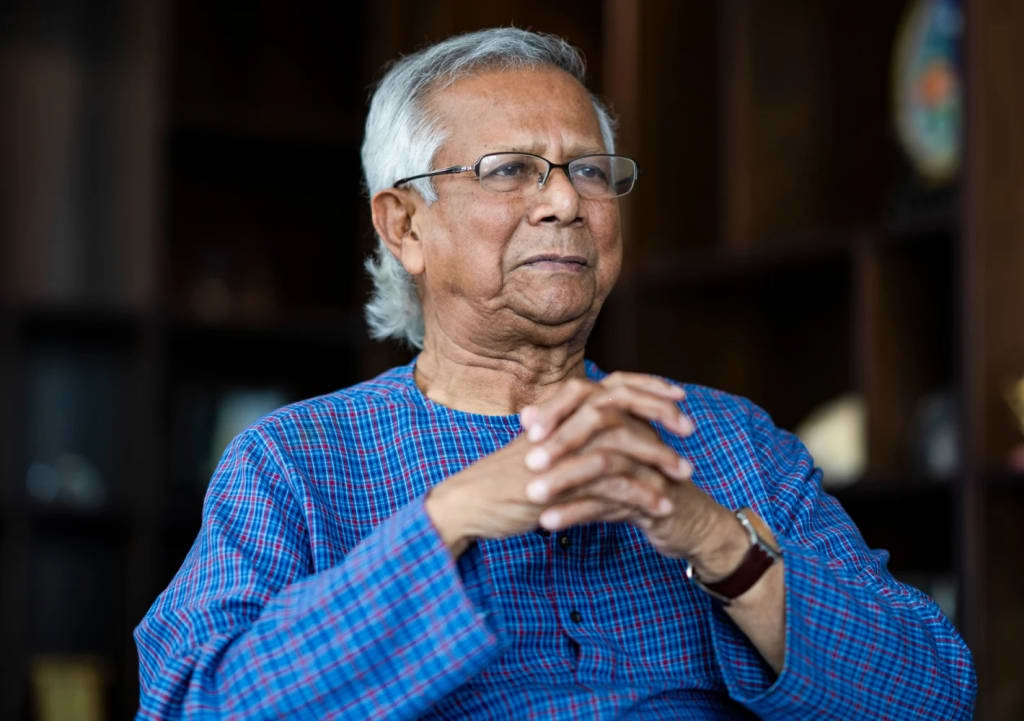
Dr. Muhammad Yunus: A Visionary Leader for Inclusive Development
Dr. Muhammad Yunus is a world-renowned economist, social entrepreneur, and winner of the Nobel Peace Prize. He is also known as the "Banker to the Poor." His leadership has transformed not only the financial landscape of Bangladesh but also influenced global conversations around poverty, social justice, and economic inclusivity. Dr. took on political leadership during times of national crisis, starting with the Grameen Bank. Yunus exemplifies a rare blend of visionary thinking and grassroots action.
The Social Business Movement
Dr. Yunus didn’t stop with microcredit. He expanded his vision through the concept of “social business,” a model in which businesses aim to solve social problems without the pressure of delivering profits to investors. Grameen Danone, a social business that fights child malnutrition in Bangladesh, was established under his direction. These ventures focus on impact rather than income, blending the efficiency of business with the compassion of social work.
his innovative model has influenced entrepreneurs and policymakers across the world, shifting the way businesses think about purpose. It features Dr. Yunus’s ability to lead not just through action, but by changing paradigms.
A Unique Leadership Style
Dr. Yunus is an example of transformational leadership, which is the kind that motivates, defies convention, and sets an example. He is not a traditional figure of authority; rather, he is a grassroots leader who is aware that genuine change begins at the bottom. His leadership is marked by:
Empathy: His actions are driven by a genuine concern for others and a deep understanding of their struggles.
Innovation: He reimagined banking and business with creativity and boldness.
Integrity: Despite fame and recognition, he remains grounded in his mission and values.
Collaboration: He cultivates partnerships and establishes networks among individuals, organizations, and sectors. He is a leader who not only dreams of a better world but also tirelessly works to build it thanks to his visionary outlook and humility. Conclusion
Dr. Muhammad Yunus has redefined what it means to be a leader in the modern world. Through his unwavering belief in human potential, he has turned ideas into institutions, and institutions into global movements. His leadership is not about power or prestige—it is about purpose. He has demonstrated that one person can ignite change that transcends borders and transforms millions of lives with compassion, imagination, and courage. In a time when the world faces complex challenges—ranging from inequality and climate change to youth unemployment—Dr. Yunus’s leadership offers a roadmap rooted in dignity, inclusion, and hope. He reminds us that economic systems should serve people, not the other way around. And above all, he proves that even the smallest act of kindness—like lending $27—can be the beginning of a revolution
Leadership in Governance
In a dramatic turn of events, Dr. Yunus was appointed interim head of Bangladesh’s caretaker government in 2024 amid political unrest. Though primarily known for his economic initiatives, his transition into political leadership revealed another layer of his commitment to national service. Despite criticism regarding his lack of formal political experience, Yunus brought stability and credibility to a volatile period in Bangladeshi politics.
He has focused on strengthening Bangladesh's global trade relationships, restoring democratic processes, and ensuring free and fair elections. During uncertain times, both citizens and international partners have been reassured by his calm demeanor, principled approach, and reputation for integrity.
Challenges and Criticisms
Despite his achievements, Yunus's political tenure has faced challenges. His political background and the likelihood of unrest during the transition period have been questioned by critics. Concerns about human rights and freedom of expression have also been raised in light of the political instability . Additionally, economic growth has slowed, with forecasts predicting a decline as a result of the current uncertainty.
Conclusion
Muhammad Yunus's contributions to Bangladesh's economy are profound and multifaceted. He has revolutionized the poor, particularly women's access to finance through Grameen Bank, encouraging entrepreneurship, and reducing poverty. A sustainable approach to addressing societal issues has been introduced by his advocacy for social business. As the interim head of government, Yunus continues to influence economic policy, striving to navigate the nation through political and economic challenges. His legacy as a catalyst for economic empowerment and social change in Bangladesh endures despite obstacles.
About the Creator
Monir Khan
Wellcome
Keep reading
More stories from Monir Khan and writers in Journal and other communities.
Dr. Muhammad Yunus and a Vision for a Better World
RoadMap Dr. Muhammad Yunus, a Nobel Peace Prize laureate and the pioneer of microfinance, has spent decades championing innovative solutions to combat poverty and create a more inclusive economy. While he is best known for founding Grameen Bank and introducing microcredit to the world’s poorest communities, one of his most compelling contributions in recent years is his "Three Zeros" theory—a visionary roadmap toward a fairer, more sustainable future.
By Monir Khan10 months ago in Journal
SnapTik and TikTok: Navigating Video Downloads and Platform Policies
TikTok has redefined short-form video entertainment, captivating audiences worldwide with its mix of music-synced dances, quick tutorials, life hacks, comedy sketches, and personal vlogs. The app's vertical format and powerful recommendation system make it easy to lose hours scrolling through creative clips. Millions upload content daily, sharing moments from everyday life to professional productions, often set to trending sounds or original audio.
By Eliana Daisyabout 21 hours ago in Journal




Comments
There are no comments for this story
Be the first to respond and start the conversation.