
Do You Want to Become a Firefighter in New York City? Don’t Get Injured!
And Have a Lawyer on Speed Dial

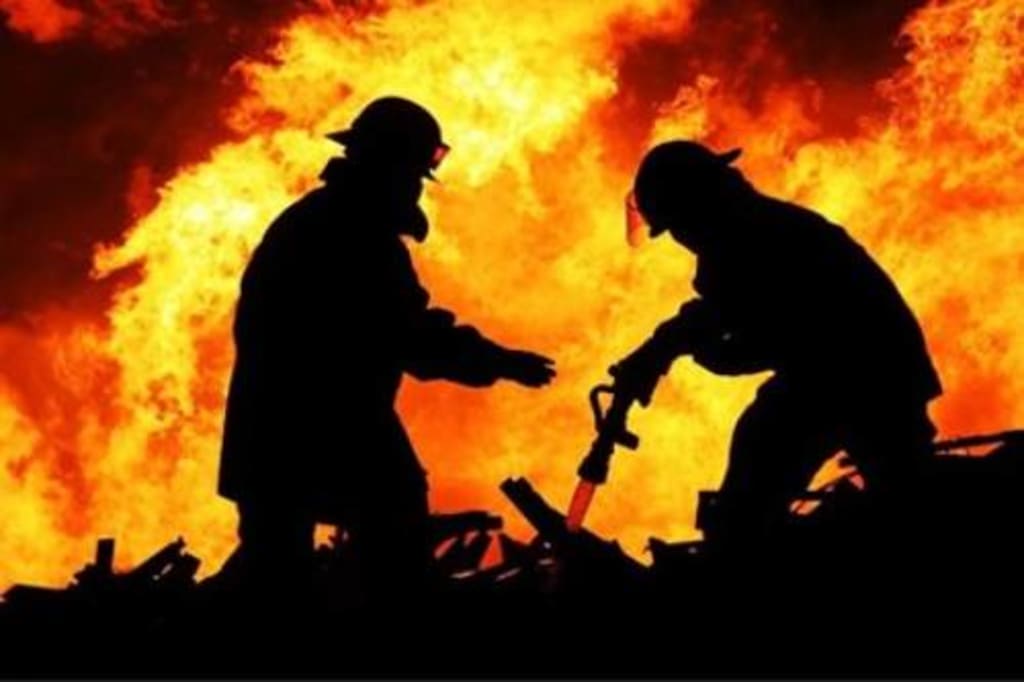
To all those brave firefighting men and women out there, putting their lives on the line for us, we salute you! Unfortunately, performing one of the most dangerous jobs in the world takes a huge toll on your physical and psychological health. Since you are all fighting fires and accomplishing duties most of us cannot even imagine doing, you face daily dangers – to put it mildly. Statistics don’t lie: tens of thousands of firefighters get injured on the job each year, suffering terrible consequences. From health issues and lowered quality of life to permanent injuries, devastating illnesses, and loss of wages, your injuries affect you, your families, and the community we all share. But is the law by your side?
Firefighters Injuries: How the Law Approaches Them
You would think that the law is there to protect these essential workers and society members. After all, therefore we have workers’ compensation laws in place. In addition, insured firefighters benefit from legal rights, provisions, and protections to help them deal easier with the trauma and the stress associated with an injury they suffered on the job from a health and financial point of view.
However,…
Each state (and even city) has its laws, doesn’t it?
For instance, California (which has its fair share of strange laws, especially in the Los Angeles area) takes firefighting very seriously. California law guarantees workers’ compensation coverage for on-the-job-insured firefighters. In general, workers’ compensation in California is there for companies and government agencies’ employees. Another example is New Jersey, running workers’ compensation coverage for firefighters’ injuries while performing their duties. New Jersey understands that once injured, these heroes will face medical expenses, lost wages, and supplemental benefits, depending on the case.
Interestingly enough, California also takes care of its volunteering firefighters. Not all firefighters, police officers, or emergency services volunteers are employees of an agency. While all firefighters who act as paid employees of a fire department or other institution qualify for workers’ compensation in California, the state extends workers’ compensation protections to volunteers – in some circumstances.
In other words, as a firefighter injured on the job, all you need to do is tend to your wounds and suffering while having a workers’ compensation attorney deal with the rest.
All is well when it ends well, right?
But then again, here comes New York City…
Always Get a Lawyer. Always.
Or, better yet, before anything else, retain legal counsel and have them on speed dial.
In New York City, firefighters have no access whatsoever to workers’ compensation protection. Therefore, if you sustained an injury in the line of duty, the first thing you need to do (after receiving medical treatment) is to contact a lawyer. The best course of action is finding a New York best lawyer to explain the New York State General Municipal Law’s provisions. According to Dansker & Aspromote Associates injury attorney, you can sue your employer for on-the-job injuries under the General Municipal Law §205a. This piece of legislation overrides the old and prejudicial New York’s “Firefighter Rule,” giving injured firefighters a fair chance to put their lives back on track after an injury.
But can it be that easy?
No, it is New York; after all, almost nothing is easy here.
For a legal team to obtain compensation for your injuries, both you and your attorney have to go through all the following motions:
● Prove that the neglect, omission, or negligence of another in failing to comply with a statute, rule, or regulation was the direct cause of your injuries. In other words, you need to hand over proof that your injuries were due to negligence. Moreover, it would be best if you documented how the injury occurred while on the job. Finally, add all the medical papers, bills, and recommendations you receive from the hospital/doctor. Ensure you offer all the possible details.
● Decide who you want to sue and for what exactly. The New York General Obligations Law §11-06 allows injured firefighters to sue third parties, including individuals.
So let’s put things a bit into perspective.
● If you suffered injuries in a fire truck accident caused by the fire truck accident, you could sue your driver (co-worker) for damages.
● In the same situation, if there is proof that the fire truck accident was rooted in the poor maintenance of the vehicle, then you can sue your employer.
● If you were on the job and got injured by a broken staircase or a hazardous condition present on a property, you could sue the property’s owner. It is a premises liability claim, and you should talk to your lawyer about hazardous conditions present on location due to the raging fire or the owner’s negligence.
● If you are going to a fire, but a driver on the road crashes in your fire truck, you and your co-workers can sue the driver for damages. If the driver was drunk, you have more reasons to consider an auto accident claim. You might benefit from some compensation via the fire truck’s no-fault insurance, but if the other driver caused you severe injuries, you could sue.
As we said, discussing all these matters with your employer and attorney can save you a lot of trouble in the long run.
Bottom Line
We don’t know about any state or city where all its firefighters spend their time in courts or lawyers’ offices. Yet, they are out there, saving our lives and properties. In other words, even if sometimes the law is strange, to put it mildly, it works, even in New York. So go out there and fight the good fight. Just don’t forget to call your lawyer for on-the-job injuries.
About the Creator
Dansker & Aspromonte Associates
Dansker & Aspromonte is a boutique personal injury law firm that focuses on obtaining maximum compensation for your medical bills, wage loss, pain and suffering, and other hardships.
We are here to fight for you!
Keep reading
More stories from writers in Journal and other communities.
~ Fired ~
— Ai Intrusion ~ Are you Next ~ Is Ai Evolution after your job? — Few workplaces haven't been affected. Ai is in supermarkets, at doctors' offices, and even monitoring farms. I just can't think of anything this machine is not getting into, can you? For instance: Education ~ Law and Tech jobs will one day have a major influence or be taken over by these inanimate machines, with accuracy and vigor. From mechanics' diagnoses to a wide variety of everyday jobs, including fast food workers, with this input having the ability to cut their unnecessary work hours. I'm certain all of us have been touched by this with our short stories and colorful headings, have you? Even comments are very questionable 'Non-Robot' insertions.
By Jay Kantor6 days ago in Journal
How Visibility Changed When Search Stopped Living in One Place
Search no longer looks the way it used to There was a time when being visible online meant ranking on Google and calling it a day. If your website showed up on the first page, you had done your job well. That era is slowly fading. Today, people search in far more places than a traditional browser, often without even realizing they are searching at all.
By Anthony Rodgers3 days ago in Journal
Self Help: Grifters' Gospel
On Self-Help, Snake Oil, and the Illusion of Change Psychology professionals and students can be imagined on two opposite sides of a line called self-help books: likely a larger group opposes pop-science and step-by-step manuals filled with talk of success, journaling, and not giving a f**k; others love them, but they aren’t many.
By Avocado Nunzella BSc (Psych) -- M.A.P 5 days ago in BookClub




Comments
There are no comments for this story
Be the first to respond and start the conversation.