
Discount Chain Owned by Modella Capital Faces Insolvency Threat as 130 Stores Hang in the Balance
Interpath Insolvency Practitioners Could Be Appointed as Early as Wednesday, Raising Fears for Jobs and High Streets
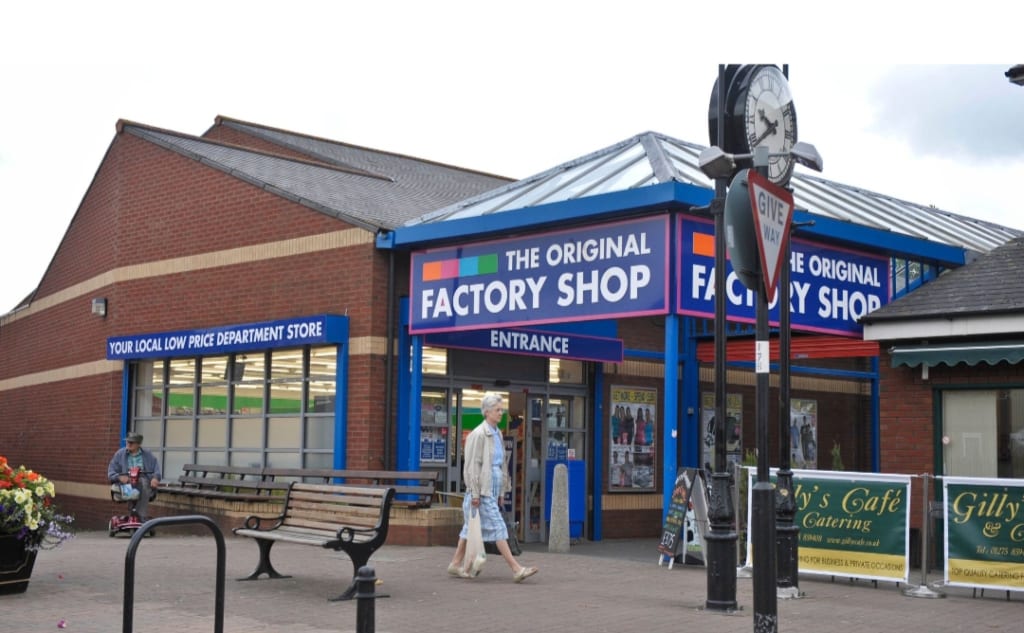
A major UK discount retail chain owned by Modella Capital is facing an uncertain future, with insolvency practitioners from Interpath expected to be formally appointed as soon as Wednesday afternoon, according to Sky News. The move places the fate of around 130 stores in jeopardy and raises fresh concerns about the ongoing fragility of the retail sector.
If confirmed, the appointment would mark another significant blow to Britain’s struggling high streets, where rising costs, shifting consumer habits, and reduced footfall have already forced numerous retailers into restructuring or collapse.
What We Know So Far
Sources close to the situation indicate that Modella Capital, the private investment firm that owns the discount chain, has been in advanced discussions regarding insolvency options. Interpath, a well-known restructuring and insolvency advisory firm, is reportedly poised to step in to manage the next phase.
While no formal announcement had been made at the time of reporting, preparations appear to be well advanced. The potential appointment of insolvency practitioners suggests that efforts to stabilize the business internally may have failed, leaving administration or a similar process as the most likely outcome.
For employees, suppliers, and landlords, the news has created a cloud of uncertainty.
Why the Chain Is in Trouble
Like many discount retailers, the chain initially benefited from cost-conscious consumers seeking value during periods of high inflation. However, several structural pressures appear to have eroded that advantage:
Rising operating costs, including rent, energy, and wages
Supply chain disruptions affecting stock availability and margins
Increased competition from online retailers and rival discount brands
Changing consumer behavior, with fewer in-store visits
Although discount chains are often seen as more resilient during economic downturns, they are not immune to sustained cost pressures and tight margins.
The Role of Modella Capital
Modella Capital acquired the chain with the intention of driving growth and improving operational efficiency. Like many private equity-backed retail investments, the strategy likely involved streamlining costs, optimizing store portfolios, and boosting profitability.
However, retail turnarounds are notoriously difficult, especially in a market where consumer confidence remains fragile. Critics of private equity ownership argue that leveraged structures and aggressive cost-cutting can sometimes leave businesses with little room to maneuver when conditions worsen.
Modella Capital has not publicly commented on the reported insolvency plans.
What Interpath’s Appointment Could Mean
If Interpath is formally appointed, it would typically assess the company’s financial position and determine the best path forward. Possible outcomes include:
Administration, with efforts to sell the business or parts of it
Store closures, particularly underperforming locations
Job losses, depending on restructuring decisions
A buyer emerging, potentially saving some or all of the estate
In some cases, administration can provide breathing space and lead to a rescue deal. In others, it marks the beginning of an orderly wind-down.
Impact on Employees and Communities
With approximately 130 stores potentially at risk, thousands of employees could be affected. For many workers, retail jobs are a vital source of income in communities where alternative employment options may be limited.
Store closures also have a ripple effect:
Reduced footfall for neighboring businesses
Vacant units further weakening high streets
Lost supplier contracts
Local councils and trade unions are expected to closely monitor developments, particularly if redundancies are announced.
A Familiar Story on the High Street
This situation is far from unique. Over the past decade, the UK retail sector has seen a steady stream of administrations, company voluntary arrangements (CVAs), and liquidations.
Even brands with strong name recognition have struggled to adapt to:
Online shopping dominance
Rising property costs
Reduced discretionary spending
The possible collapse of another discount chain underscores how unforgiving the current retail environment has become.
Could the Business Be Saved?
Despite the grim outlook, insolvency does not automatically mean the end. Retail history is filled with examples of chains that entered administration and later emerged in a reduced but sustainable form.
A potential buyer could:
Retain the brand
Save a portion of stores
Preserve some jobs
However, any rescue would likely involve tough decisions, including store closures and renegotiated leases.
What Happens Next
All eyes are now on Wednesday afternoon. If Interpath is officially appointed, more details are expected to emerge regarding the scale of the financial difficulties and the proposed next steps.
Until then, employees, suppliers, and customers remain in limbo—waiting for clarity in a situation that has become all too common in modern retail.
Conclusion: Another Warning Sign for UK Retail
The looming insolvency of a Modella Capital-owned discount chain is a stark reminder that even value-focused retailers are under immense pressure. As costs rise and consumer habits evolve, survival increasingly depends on agility, scale, and financial resilience.
Whether this story ends in rescue or closure, its impact will be felt far beyond the balance sheet—on workers, communities, and already-fragile high streets across the country.
About the Creator
Keep reading
More stories from Aarif Lashari and writers in Journal and other communities.
My Dog’s Treatment Cost £1,600 – Vet Bills Are Shocking
For pet owners across the UK, veterinary bills have long been a source of stress—but recent stories, such as one owner’s experience paying £1,600 for their dog’s treatment, have reignited concern about the rising cost of pet care. The owner, who wished to remain anonymous, described the ordeal as “shocking” and highlighted the financial burden that unexpected illnesses or accidents can place on families.
By Aarif Lashariabout 9 hours ago in Journal
Death Toll in Philippine Boat Accident Climbs to 15, Hundreds Rescued
At least 15 people have died and hundreds more were rescued after a passenger ferry sank in the southern Philippines, officials said Monday, in one of the latest maritime disasters to strike the archipelagic nation. The vessel, the MV Trisha Kerstin 3, went down in the early hours of the morning while traveling between islands, triggering a large‑scale search and rescue operation involving coast guard units, military assets and local vessels.
By Salaar Jamali3 days ago in Journal
Seattle Nightlife Report: Pony
Mid-winter Friday night. Early but already so dark. The days are getting longer but 6 PM is still pitch black. “Firepit!” You declare things after just a few seconds of solemn thought – not a request or suggestion, not a demand. Last week you walked around saying, “Hot tub?” to anyone who would listen. Or one afternoon you pointed at two men holding hands as they crossed 12th Avenue, looked me in the eyes and said, “Boyfriends.”
By Joe Nasta | Seattle foodie poet6 days ago in Wander



Comments
There are no comments for this story
Be the first to respond and start the conversation.