
Disappearance of the Indus Valley Civilization
Unveiling the Enigma of India's Ancient Indus Valley Civilisation
Introduction:
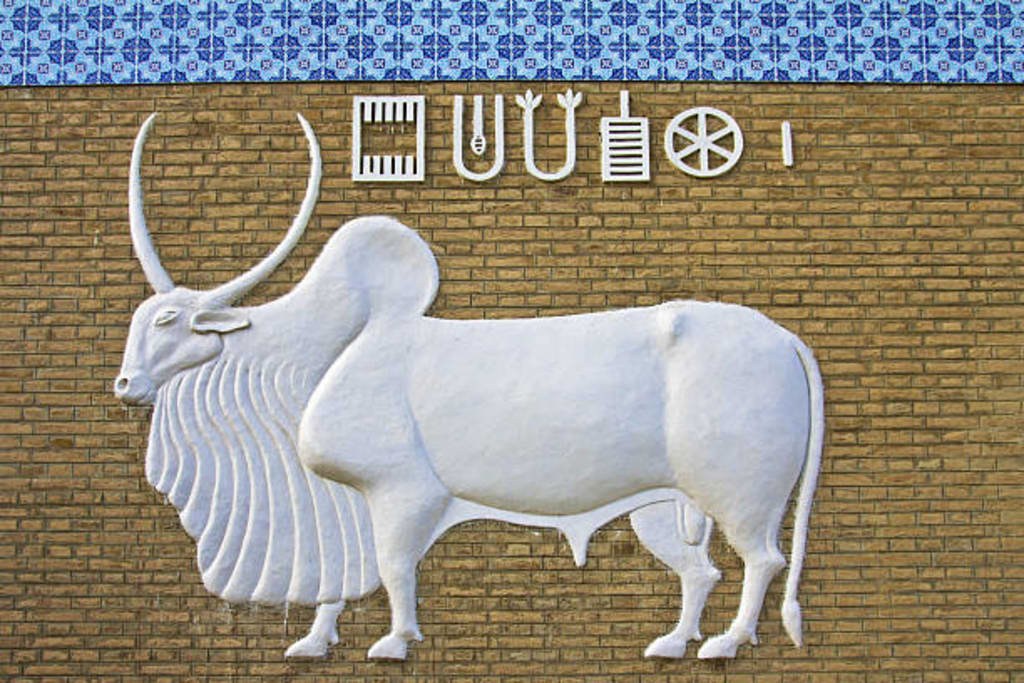
The Indus Valley Civilisation is a remarkable chapter in India's rich history that continues to baffle archaeologists and historians alike. The ancient civilization was spread across an area larger than the ancient Egyptian and Mesopotamian civilisations combined, and yet, its mysteries continue to elude us. The people who built this great civilization and their 4000-year-old Indus pictographic script remain a mystery, as do the reasons behind its sudden decline and disappearance. In this article, we delve into the enigma of India's ancient Indus Valley Civilisation and explore the various theories behind its mysterious disappearance.
The Rise of the Indus Valley Civilisation:
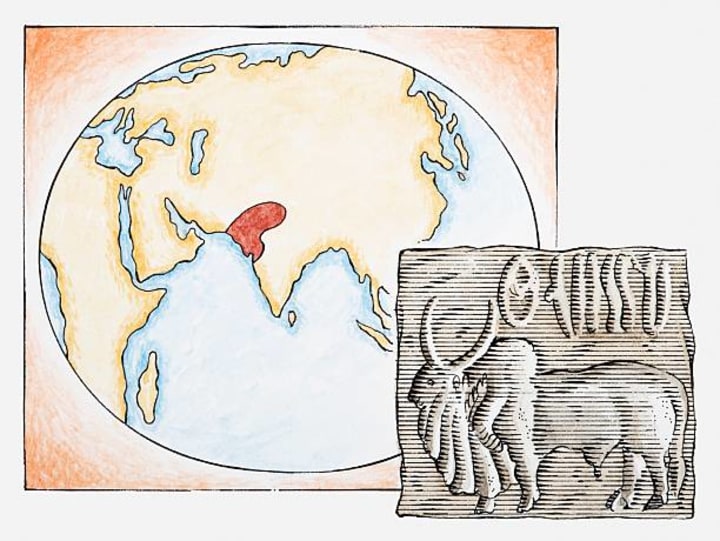
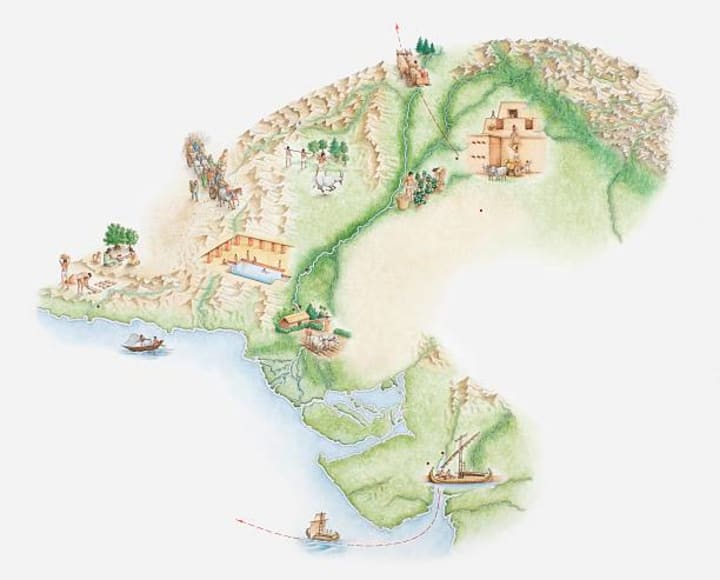
The Indus Valley Civilisation, also known as the Harappan Civilisation, emerged around 2600 BCE and flourished until around 1900 BCE. The civilization was located in the Indus River Valley, which spans across present-day Pakistan, India, and Afghanistan. The civilization was spread over a vast area, covering over 1.2 million square kilometers, making it one of the largest ancient civilizations.
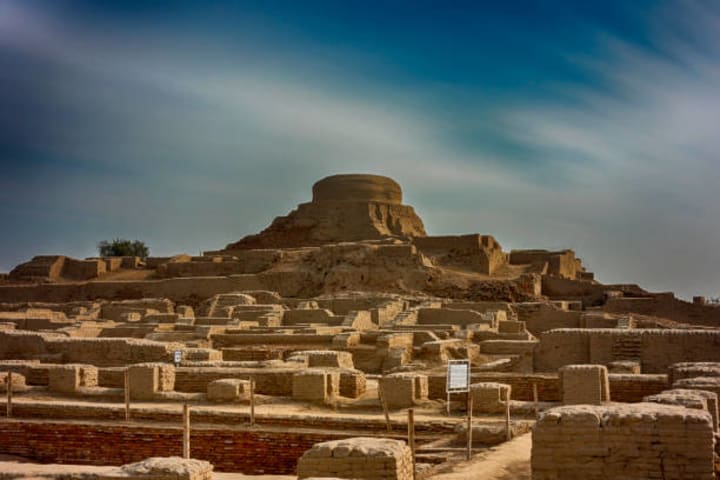
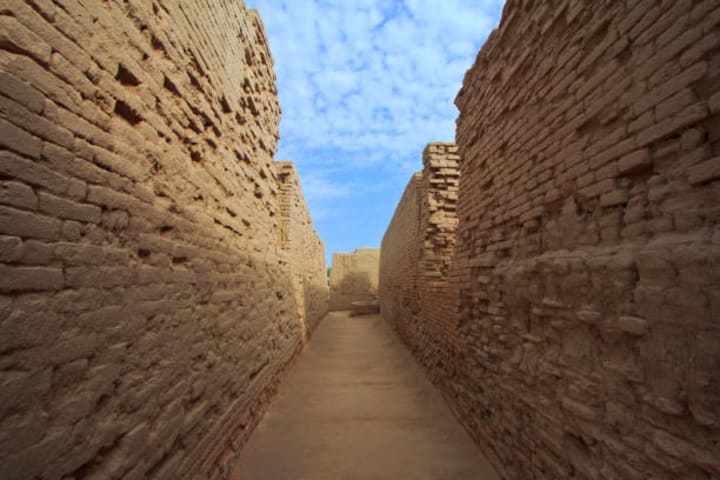
The Indus Valley Civilisation was known for its well-planned cities, advanced sanitation systems, and complex trade networks. The cities were characterized by grid-like street patterns and multi-story buildings made of baked bricks. The civilization also had a unique system of weights and measures that was used for trade across the region.
The Mysterious Indus Script:
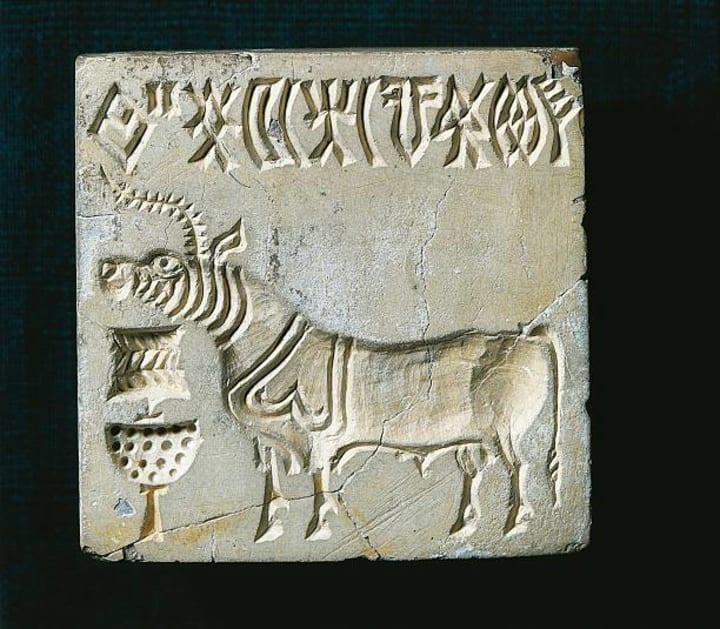
One of the most intriguing aspects of the Indus Valley Civilisation is its writing system. The Indus script is one of the oldest writing systems in the world, dating back to around 2600 BCE. The script consists of over 400 symbols, making it one of the most complex ancient writing systems.
Despite the efforts of numerous scholars, the Indus script remains undeciphered. The lack of a bilingual text or a Rosetta stone-like artifact has made it difficult to decode the script. Some researchers have suggested that the script may not be a language at all but rather a symbolic representation of ideas or concepts.
The Mystery of the Indus People:
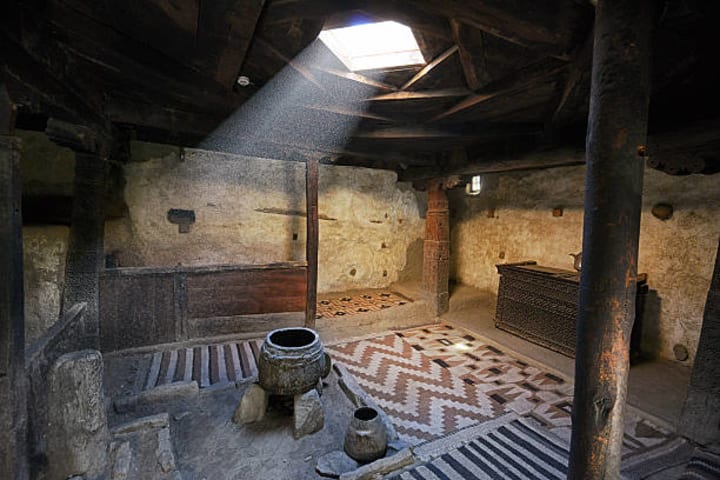
Another mystery surrounding the Indus Valley Civilisation is the identity of its people. Despite the vast size of the civilization, we have very little information about the people who built it. The lack of written records and the enigmatic Indus script have made it difficult to identify the language, religion, and customs of the Indus people.
However, archaeological evidence suggests that the Indus people were highly skilled artisans and craftsmen. The civilization was known for its pottery, jewelry, and textiles, which were traded across the region. The Indus people also had a complex social hierarchy, with evidence of a ruling class, skilled artisans, and laborers.
The Sudden Decline and Disappearance:
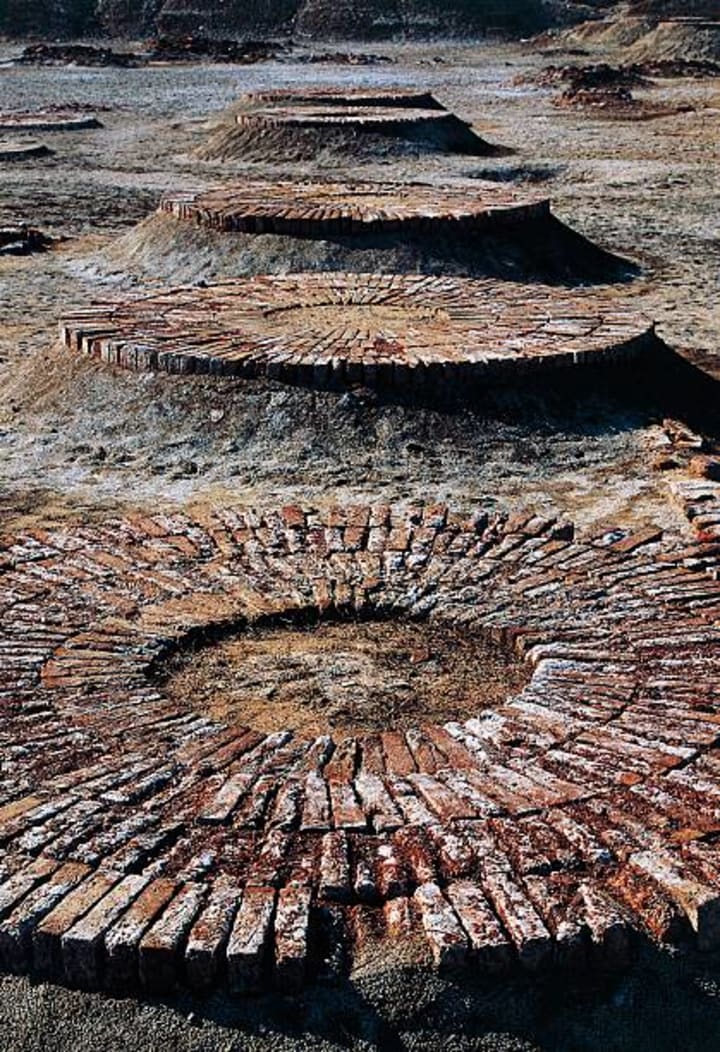
Perhaps the most perplexing mystery surrounding the Indus Valley Civilisation is its sudden decline and disappearance. All of the major sites of the civilization went into decline and were abandoned more or less simultaneously around 1900 BCE.
There are several theories as to why this happened, but none of them have been conclusively proven. Some scholars suggest that climate change, such as a drought or a shift in the monsoon patterns, may have led to the decline of the civilization. Others suggest that invasions by nomadic tribes or internal conflicts may have caused the collapse of the civilization.
Unraveling the Mysteries of India's Enigmatic Indus Valley Civilisation: This headline is designed to capture the reader's attention by using words like "mysteries" and "enigmatic" to suggest that the Indus Valley Civilisation is a fascinating and perplexing subject. The use of the word "unraveling" suggests that the article will provide new insights into the civilization that have not been widely known before.
The Ancient Riddle of the Indus Valley Civilisation:
Secrets Unveiled: This headline is designed to create intrigue and evoke a sense of excitement by suggesting that the Indus Valley Civilisation is like an ancient riddle that is slowly being solved. The use of the words "secrets unveiled" implies that the article will provide information that has not been widely known before.
The Rise and Fall of the Indus Valley Civilisation:
An Archaeological Enigma: This headline is designed to convey the overall arc of the civilization, from its rise to its sudden decline and disappearance. The use of the words "archaeological enigma" suggests that the Indus Valley Civilisation remains a mystery to this day, despite extensive research and excavation.
Decoding the Indus Script:
India's Ancient Puzzle:
This headline is designed to highlight the intriguing aspect of the Indus script, which has yet to be fully deciphered. The use of the words "decoding" and "ancient puzzle" suggests that researchers are still working to unlock the secrets of the script.
The Mysterious Indus People:
Uncovering the Secrets of an Ancient Civilization: This headline is designed to emphasize the idea that the Indus people themselves remain a mystery, despite what we do know about their impressive society and advanced culture. The use of the words "mysterious" and "secrets uncovered" suggests that the article will provide new insights into the people who created this ancient civilization.
Conclusion:
The Indus Valley Civilisation is one of India's greatest ancient mysteries. The civilization's impressive infrastructure, advanced sanitation systems, and intricate trade networks make it a fascinating topic for researchers and historians. However, the enigmatic Indus script, the mysterious identity of the
Indus people, and the sudden decline and disappearance of the civilization continue to confound experts.
Despite the many unanswered questions, ongoing research and archaeological excavations are shedding new light on the Indus Valley Civilisation. Recent discoveries of new sites and artifacts have provided fresh insights into the lives of the Indus people and their complex society.
As we continue to unravel the mysteries of the Indus Valley Civilisation, we may one day uncover the secrets behind the identity of its people, the meaning of their enigmatic script, and the reasons behind their sudden disappearance. The Indus Valley Civilisation remains a fascinating and important chapter in India's history and an enduring source of wonder and intrigue for people around the world.
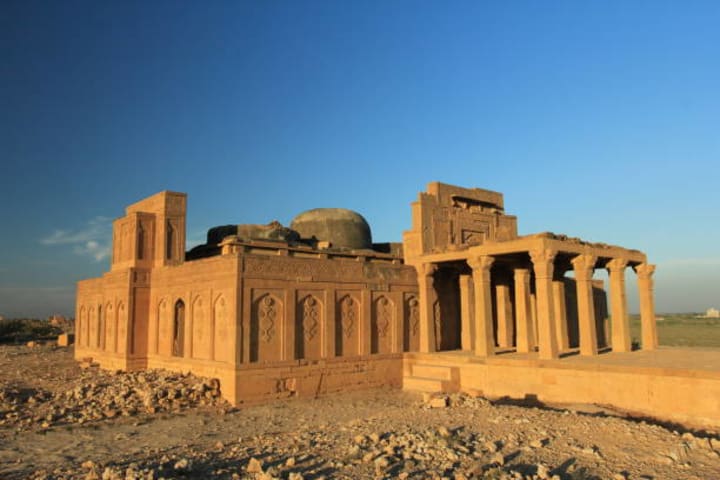
The Indus Valley Civilisation remains a fascinating and mysterious subject of study, with many unanswered questions still surrounding its origins, identity, and ultimate demise. Despite the enigma of the Indus script, ongoing research and excavation continue to shed new light on the lives of the Indus people and their complex society. Recent discoveries of new sites and artifacts have provided fresh insights into the culture, trade, and technology of this ancient civilization, as well as the religious and ritual practices of its people.
The Indus Valley Civilisation represents a remarkable achievement of human civilization, with its advanced urban planning, sanitation, and hydraulic engineering systems, among other remarkable accomplishments. The civilization's sudden decline and disappearance, however, continue to confound experts, with no definitive answers to the question of what led to the downfall of such a great civilization.
Despite the many unanswered questions, the study of the Indus Valley Civilisation remains an important area of research and excavation, not only for India but for the world. It represents a unique and valuable chapter in the history of human civilization and provides us with insights into the complexity and diversity of ancient cultures. As we continue to unravel the mysteries of the Indus Valley Civilisation, we may one day unlock the secrets behind the identity of its people, the meaning of their enigmatic script, and the reasons behind their sudden disappearance.
About the Creator
Keep reading
More stories from prabha karan and writers in Journal and other communities.
Deciphering the Unintelligible: Reading the Voynich Manuscript
The Voynich Manuscript is one of the most enigmatic and elusive documents in history. Consisting of 200 pages of handwritten parchment, filled with mysterious drawings and an unintelligible alphabet, it has baffled scholars and laypeople alike for over 600 years. Despite its ambiguous nature, some readers believe they have "read" the manuscript, although comprehending it remains a challenge.
By prabha karan3 years ago in Journal
Author’s Advice
If you would’ve asked me 20 years ago did I know I’d become a writer and an author, I would’ve said “nope, ain’t happening”. As fate would have it I did become an author and I can honestly say I’m loving it so far. It really does feel good to be a writer. I’ve learned a lot on this journey and I feel like with even me being as new to this world as I am, there’s some wisdom I need to share with every other aspiring author.
By Joe Patterson2 days ago in Journal




Comments
There are no comments for this story
Be the first to respond and start the conversation.