
Digital Printing Market Size & Forecast 2025–2033
The global Digital Printing Market is projected to grow from USD 33.5 billion in 2024 to USD 57.08 billion by 2033, registering a CAGR of 6.1%. Growth is driven by rising demand for cost-efficient, high-speed, and customizable printing solutions across packaging, textiles, publishing, and advertising sectors.

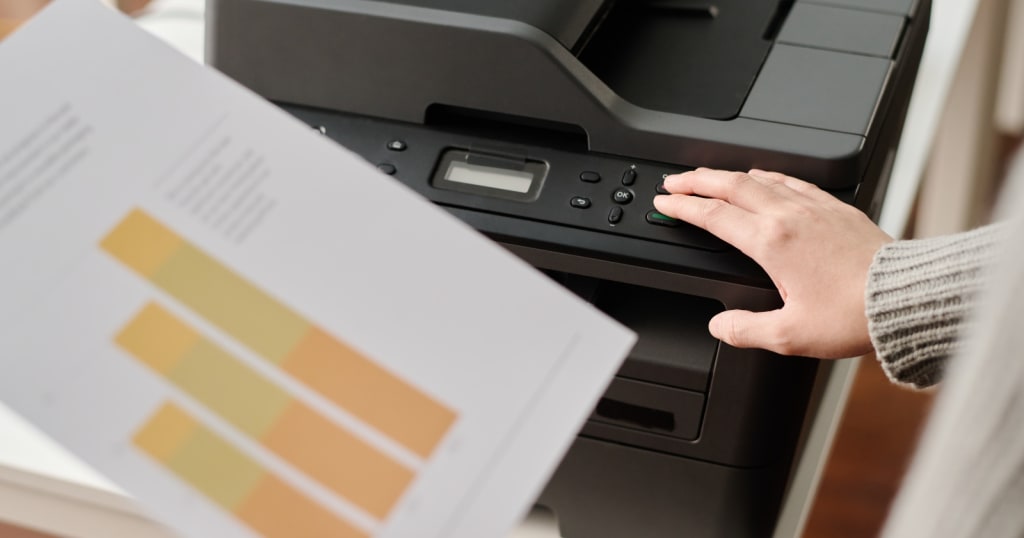
Digital Printing Market Overview
Digital printing refers to a modern printing technique where digital images are printed directly onto a substrate without the use of printing plates. Unlike traditional offset printing, digital printing allows faster turnaround, lower costs for short runs, and on-demand printing, making it suitable for businesses requiring flexibility and customization.
Digital printing has extensive applications across multiple industries:
Packaging: Supports customized and limited-run labels.
Textiles: Enables high-quality printing for fashion, home décor, and industrial fabrics.
Publishing: Facilitates rapid production of books, brochures, and marketing collateral.
Advertising: Produces banners, posters, vehicle wraps, and promotional materials.
Key Advantages:
Accurate color reproduction.
Reduced material waste.
Quick turnaround time.
Flexibility for personalized or variable data printing.
As a result, digital printing has become the preferred solution for both commercial and personal printing needs, driving global adoption.
1. Rising Demand for Short-Run and Customized Printing
Short-run and personalized printing is increasingly important for packaging, advertising, and publishing.
Digital printing does not require plates, reducing setup time and costs, and allowing on-demand and seasonal production.
Brands leverage this capability for limited editions, promotional campaigns, and customized marketing materials, enhancing consumer engagement.
E-commerce growth further fuels demand for on-demand personalized packaging.
Example: In October 2024, Konica Minolta introduced the AccurioPress C14000, a high-speed sheet-fed digital press ideal for in-plant print shops and commercial printing.
2. Technological Advancements
Continuous innovation in inkjet, laser, UV-curable, and solvent-based printing has improved speed, print quality, and substrate compatibility.
New ink formulations offer vivid colors, sustainability, and enhanced durability, encouraging wider adoption.
Automation and AI integration optimize production efficiency and minimize human error.
Example: In March 2024, HP Inc. launched a new series of digital printing presses designed for commercial printing and label production, emphasizing intelligent production solutions.
3. Growth in E-Commerce and Customized Marketing
The surge in e-commerce has increased demand for customized packaging, labels, and promotional materials.
Digital printing enables personalized messaging and variable data printing, such as QR codes, names, or custom graphics.
This personalization drives consumer engagement and brand loyalty, especially in retail, fashion, and consumer goods industries.
Example: In December 2024, Canon India launched 10 new printers under the PIXMA MegaTank and imageCLASS ranges, targeting SMEs and home offices with high-quality, budget-friendly solutions.
Challenges
1. High Initial Equipment Cost
High-end digital printing machinery requires significant capital investment, limiting adoption among small and medium enterprises (SMEs).
Costs include printer purchase, specialty inks, maintenance, and periodic calibration, which can hinder market penetration in emerging economies.
2. Limitations in Print Durability and Substrate Compatibility
Digital printing may not match traditional techniques in hardness, scratch resistance, or UV durability, especially for outdoor applications.
Certain substrates, such as coarse textiles or non-absorbing materials, may not support consistent high-quality printing.
These limitations restrict use in heavy-duty packaging, automotive, and industrial applications.
Digital Printing Market by Technology
Inkjet Digital Printing
Inkjet printing sprays droplets of ink directly onto substrates, producing high-quality images.
Advantages: Color accuracy, flexible setup, and suitability for various materials, including paper, textiles, plastics, and metals.
Applications: Packaging, signs, textiles, and custom promotional items.
Laser Digital Printing
Laser printing uses electrostatic technology to produce fast, accurate prints.
Commonly used in offices, commercial printing, and bulk document production.
Strengths: Efficiency, low maintenance, crisp text/graphics, ideal for brochures, labels, and administrative documents.
Solvent Digital Printing
Solvent-based inks offer superior adhesion, weatherability, and abrasion resistance for outdoor signage, banners, and vehicle wraps.
Limitations: VOC emissions pose environmental and health challenges.
Popular in advertising and industrial printing where durability is crucial.
UV-Curable Digital Printing
Uses ultraviolet light to instantly cure ink, creating durable, scratch-resistant, and bright prints.
Environmentally friendly, low VOC emissions, and compatible with non-porous materials like metal, glass, and plastic.
Applications: Packaging, promotional goods, industrial design, and creative visuals.
Digital Printing Market by Application
Packaging
Digital printing enables short runs, personalized labels, and visually impactful designs, reducing inventory risks.
Widely adopted by food, beverage, cosmetics, and pharmaceutical companies.
Advertising
Supports high-quality, fast, and cost-effective advertising materials, including banners, posters, vehicle wraps, and display stands.
Variable data printing allows personalized campaigns and improved customer engagement.
Publishing
Facilitates rapid production of books, brochures, and promotional materials, supporting on-demand publishing.
Textiles
Enables high-resolution prints on fabrics, suitable for fashion, home décor, and industrial applications.
Regional Market Analysis
United States
Mature and technologically advanced digital printing market.
Growth driven by commercial printing, packaging, advertising, and e-commerce.
Focus on sustainable inks and UV-curable technologies.
Example: Mimaki USA introduced Tx330-1800 and Tx330-1800B printers for versatile textile printing, showcased at the ISA International Sign Expo 2025.
France
Strong emphasis on luxury packaging, fashion textiles, and high-end advertising.
Government regulations encourage sustainable printing practices.
Example: In January 2025, Mimaki Europe showcased its digital print technologies at Salon C.
India
Rapidly growing market driven by retail, packaging, and advertising expansion.
Internet penetration and e-commerce adoption increase demand for customized packaging and promotional items.
Affordable digital printing solutions enable SME adoption, though infrastructure gaps remain a challenge.
Example: In February 2025, ColorJet India Ltd launched the Fab Jet Pro, producing up to 13,000 m²/day of color-intensive fabric prints.
Saudi Arabia
Growth fueled by retail expansion, economic diversification, and technology adoption.
Government Vision 2030 promotes digitalization and e-commerce growth.
Example: In September 2024, Tenaui commissioned the largest digital commercial printing press in the Middle East, powered by Canon’s latest inkjet technology.
👉 For deeper analysis, detailed segment data, and company insights: 🔗 Request Customization Report
By Technology
Inkjet Printing
Laser Printing
Electrophotography
Thermal Transfer Printing
Others
By Ink
Solvent
Aqueous
UV-Curable
Dye Sublimation
Latex
Others
By Application
Packaging
Publishing
Advertising
Textiles
By Region
North America: United States, Canada
Europe: France, Germany, Italy, Spain, UK, Belgium, Netherlands, Turkey
Asia Pacific: China, Japan, India, South Korea, Thailand, Malaysia, Indonesia, Australia, New Zealand
Latin America: Brazil, Mexico, Argentina
Middle East & Africa: Saudi Arabia, UAE, South Africa
Key Players
Smurfit Kappa Group PLC – Packaging and printing solutions.
Westrock Company – Commercial printing and packaging.
Southland Printing Company Inc. – Advertising and custom print services.
IronMark Inc. – Specialized digital printing solutions.
Xeikon NV – Digital presses for labels and packaging.
ARC Document Solutions LLC – Commercial printing and document management.
Avery Dennison Corporation – Label and packaging solutions.
Multi Color Corporation – Specialty and product labeling solutions.
Key Strategies:
Launching AI-integrated and automated printing solutions.
Expanding short-run and personalized printing capabilities.
Strategic partnerships to enhance packaging, textile, and advertising solutions.
Focus on sustainable and eco-friendly inks.
Market Outlook
The global digital printing market is expected to grow from USD 33.5 billion in 2024 to USD 57.08 billion by 2033, at a CAGR of 6.1%.
Growth Drivers:
Rising demand for short-run and customized printing.
Advancements in digital ink, laser, and UV-curable technologies.
Expansion of e-commerce and personalized marketing.
Increased adoption in packaging, advertising, textiles, and publishing.
Challenges:
High initial equipment and ink costs.
Print durability and substrate limitations for industrial and outdoor applications.
Infrastructure and cost constraints in emerging markets.
Key Questions for Stakeholders
Which digital printing technology will dominate market growth in the next decade?
How will UV-curable and eco-friendly inks impact adoption rates?
Which regions will witness the fastest adoption of customized printing solutions?
How will short-run printing for packaging and textiles influence production strategies?
What steps can overcome high equipment costs and operational barriers for SMEs?
How will e-commerce expansion drive demand for personalized digital printing?
Which industries will see the highest uptake of digital printing?
How will AI and automation transform digital print production?
What role will government initiatives and sustainability policies play in market growth?
How will emerging markets like India and Saudi Arabia shape the global landscape?
Conclusion
The Digital Printing Market is set to experience robust growth, driven by short-run, personalized, and on-demand printing, technological innovations, and the rise of e-commerce.
Regional Highlights:
North America: Mature market with strong commercial, packaging, and advertising adoption.
Europe: France leads in luxury packaging, fashion textiles, and sustainable printing.
Asia-Pacific: India and China drive market expansion through e-commerce and SME adoption.
Middle East: Saudi Arabia’s economic diversification and Vision 2030 promote digital printing growth.
The market’s integration of AI, UV-curable inks, and customized solutions positions digital printing as a crucial technology across packaging, advertising, publishing, and textiles, projected to reach USD 57.08 billion by 2033.
Note: If you need details, data, or insights not covered in this report, we are glad to assist. Through our customization service, we will collect and deliver the information you require, tailored to your specific needs. Share your requirements with us, and we will update the report to align with your expectations.
About the Creator
Renub Research
Renub Research is a Market Research and Consulting Company. We have more than 15 years of experience especially in international Business-to-Business Researches, Surveys and Consulting. Call Us : +1-478-202-3244
Keep reading
More stories from Renub Research and writers in Journal and other communities.
Global Customer Relationship Management (CRM) Market Size & Forecast 2025-2033
Global CRM Market Overview Customer Relationship Management (CRM) is a combination of technology, strategies, and practices designed to manage interactions with existing and potential customers. It involves collecting, analyzing, and organizing customer data to improve relationships, enhance customer satisfaction, and drive revenue growth.
By Renub Research4 months ago in Journal
57 small business ideas for 2026
Small business owners are heading into a year of nonstop change. New tech, shifting workforce expectations, and evolving customer behavior are rewriting the rules. Supply chain disruptions have exposed real gaps, pushing more businesses toward local sourcing, sustainability, and circular models.
By ELIA MWAPINGA5 days ago in Journal
Day 4 of Quitting
If this is how sobriety feels, maybe it’s better to go through life a little buzzed… this, along with other hits like, I want to kill myself, I wish I was dead, and I’m going to throw myself off a bridge have been the only thoughts on rotation these past few days. I promise myself that if, in a month, I still feel like this (‘this’ meaning despondent, full of rage, and simultaneously numb) I can go back to smoking. Until mid-February though? Nicotine is off the table.
By sleepy drafts6 days ago in Longevity


Comments
There are no comments for this story
Be the first to respond and start the conversation.