
Designing a Zen Corner: How a Japanese Coffee Table Changed My Morning Routine
How one Japanese coffee table helped me swap chaos for calm in the space of a month


For years, my mornings were messy. I’d roll out of bed, grab my phone, and start scrolling before I was even fully awake. Coffee was rushed, often spilled, and breakfast didn’t happen half the time. By the time I sat at my desk, I already felt scattered.
Something had to give.
What shifted everything wasn’t a new planner or productivity hack. It was a table. A small, low Japanese-style coffee table that I placed by the window. Funny, right? You don’t expect furniture to change your routine, but that’s exactly what it did.

The Table That Invited Calm
I first saw the idea online. A photo of a sunlit corner, a wooden table sitting low to the ground, cushions arranged around it. Nothing extravagant — just simple, peaceful. Something about it pulled me in.
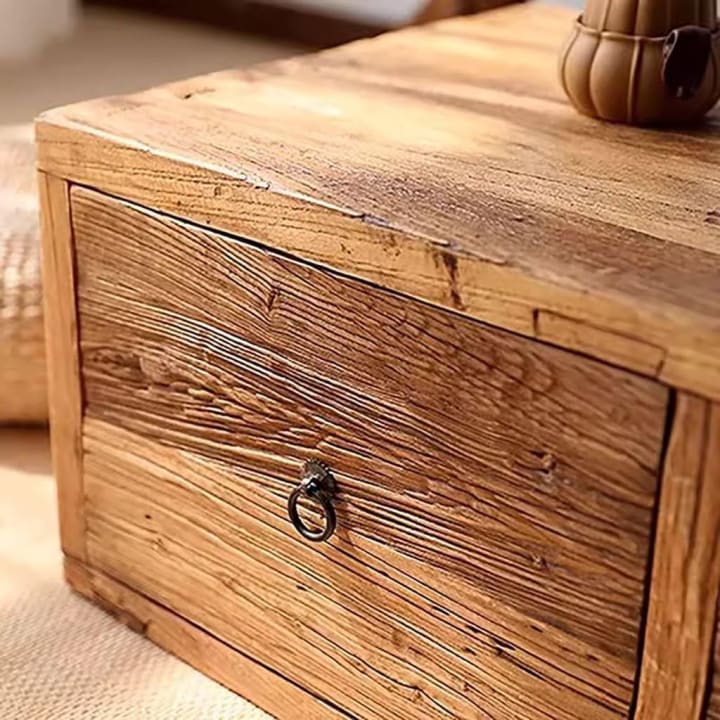
Soon after, I found the Solid Wood Tatami Bay Window Table on Alchemique.com — a low Japanese coffee table crafted from elm wood, it had the quiet kind of beauty I was craving. No gloss, no shine. Just texture, warmth, and an honest presence.
When it arrived, I set it under the window, placed a couple of cushions, and left it bare. The next morning, instead of rushing, I sat there with a pot of tea. That’s when I realized: it wasn’t just a piece of furniture. It was an invitation to slow down.
How Rituals Sneak Up on You
At first, it was only ten minutes. Tea, a book, sometimes just sitting in silence. But those ten minutes became addictive. The more I did it, the more I wanted to protect that time.
Soon, I started waking up earlier just to have longer mornings at the table. I stopped chugging coffee while half-dressed and actually tasted my tea. I picked up reading again — the kind of books I used to say I didn’t have time for.
It’s wild how quickly a ritual can sneak up on you. One day you’re stressed and rushing. The next, you’ve created a corner of calm that feels sacred.
Why Japanese Tables Feel Different
There’s something about sitting close to the ground that changes your mindset. Western furniture keeps you perched above everything — chairs, tall tables, high sofas. Japanese-style tables pull you down, literally grounding you.
You sit on a cushion, your body slows, your breathing shifts. The space feels intimate, even if you’re alone. It’s not just about looks; it’s about how your body interacts with the space.
The elm wood in this table carries that grounded quality too. It’s sturdy but not stiff, warm but not flashy. Every grain and line in the wood feels lived-in. Over time, it only gets better — like it’s aging with you.
Creating My Zen Corner
My apartment isn’t big. I couldn’t dedicate a whole room to some meditation setup. But I didn’t need to.
I cleared a spot by the window, rolled out a neutral mat, and set the table in the center. Two woven cushions completed the space. That was it. Simple.
Sometimes the table holds a teapot, sometimes a notebook, sometimes nothing at all. The emptier it stays, the calmer it feels. The less I fill it, the more it gives back.
What Changed After a Few Weeks
After a month of using that space daily, I realized the effects went beyond mornings.
- I stopped rushing. Even on busy days, I carried a slower rhythm with me.
- Meals improved. Eating at the table, even something small, felt more intentional.
- My home felt calmer. That one corner spread its mood through the whole apartment.
- I worried less. It wasn’t magic, but starting grounded meant the day didn’t spiral as easily.
Sometimes I wonder: was it really the table, or was it me giving myself permission to pause? Probably both.
The Subtle Strength of Floor Seating
Sitting on the floor changes how you connect — not only with yourself but also with others.
When a friend visited, we ended up at the table for hours, sipping tea, talking in ways we usually didn’t. There was no TV in the background, no phones on the table. Just two people sitting low to the ground, talking. It felt different. More present.
I think it’s because the posture itself encourages openness. You can’t slouch into a cushion the same way you slouch into a sofa. You’re upright, balanced, comfortable but alert. It does something to the conversation.
Practical Beauty That Lasts
Part of why I love this table is its practicality. It isn’t just pretty — it works.
- It’s compact, so it fits easily in apartments.
- The drawers are surprisingly handy for stashing books, journals, or small things.
- The wood is strong enough to last years, maybe decades.
- It adapts — it’s a coffee table, tea table, reading table, whatever I need it to be.
And because it comes in multiple sizes, you don’t have to guess whether it’ll fit. Mine is the smaller size, but there are larger versions for bigger rooms.

How It Fits Into Any Style
I worried at first that a Japanese table might look out of place with my other furniture. But the minimalist design turned out to be versatile.
In a modern room, it looks clean and understated. In a cozier, more eclectic room, it adds texture and balance. The wood doesn’t clash with anything — it grounds everything instead.
I’ve seen photos of people placing similar tables on balconies, in bay windows, even in bedrooms. Somehow, it always works.
The Emotional Weight of Furniture
We don’t usually think of furniture as emotional. But it is.
This table has already been part of so many moments: my quiet mornings, late-night tea with a friend, afternoons when I journaled instead of scrolling through my phone. And every time I see it, it reminds me of what it represents — calm, intention, presence.
It’s not just wood and drawers. It’s a choice I made to live differently.
Lessons From a Table
What this little corner taught me is simple: design shapes behavior.
If you fill a room with distractions, you’ll live distracted. If you create a space for calm, calm shows up. The right piece of furniture isn’t just functional — it quietly shifts the way you move through the day.
This Japanese table reminded me that home isn’t only about decoration. It’s about rhythm, ritual, and how you feel when you sit down.

How You Can Create Your Own
If you’ve been craving a calmer start to the day, you don’t need much.
- Pick a sunny spot. Even a small window works.
- Keep it uncluttered. A table, a mat, maybe a cushion. That’s enough.
- Use it daily. Five minutes is better than none.
- Let it evolve. Some mornings you’ll drink tea, others you’ll write. Don’t box it in.
The magic isn’t in perfection. It’s in intention.
A Final Thought
I didn’t expect a coffee table to change my mornings. But here I am, writing this at that same table, tea by my side, sunlight on the wood.
It’s strange how small decisions can shift entire routines. I used to start the day rushed and frazzled. Now I start grounded, calm, ready.
All it took was carving out a little space — and giving that space a piece of furniture that quietly said, slow down.
About the Creator
Keep reading
More stories from The Reliable Guy and writers in Journal and other communities.
The Corner I Didn’t Know I Needed: A Quiet Chair, A Quiet Shift
The Chair That Changed Nothing... and Everything You don’t always notice the quiet parts of your home—until one starts echoing something inside you. That’s what happened with the corner of my living room.
By The Reliable Guy9 months ago in Journal
Bomb Scare
It was 2027, and the world never thought it would happen. A missle hit the United States, but it wasn't where they had anticipated. A little town in the northeast was hit by a missile strike, they didn't know why, and they didn't know exactly where it hit, but they did know it was a coastal community, somewhere between Maine and Delaware.
By Gregory Payton7 days ago in Fiction



Comments
There are no comments for this story
Be the first to respond and start the conversation.