
Designing 50 Ton Gantry Cranes for Coastal and Marine Environments
Durable, corrosion-resistant gantry cranes for harsh marine environments.
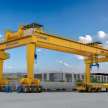

Designing a 50-ton gantry crane for coastal and marine environments involves a unique set of challenges that go far beyond general heavy lifting. While the primary function of a gantry crane remains the same—to lift, transport, and lower heavy loads—its operation in ports, shipyards, and waterfront industrial areas requires careful engineering to ensure safety, efficiency, and durability in harsh conditions. Marine environments present factors such as salt-laden air, humidity, high winds, and exposure to corrosive elements that can shorten the life of equipment if not properly addressed. This article explores the key considerations, materials, protective strategies, and operational requirements for designing 50-ton gantry cranes specifically intended for these demanding settings.
1. Environmental Challenges in Coastal and Marine Applications
Operating a 50 ton gantry crane near the sea means dealing with some of the harshest environmental conditions for industrial machinery. Key challenges include:
Saltwater Corrosion: Salt-laden air accelerates oxidation and rusting of steel components. Without adequate protection, structural integrity and reliability degrade quickly.
Humidity and Condensation: Constant moisture leads to electrical system failures, short circuits, and accelerated corrosion.
High Wind Loads: Coastal regions experience strong gusts and storms, requiring cranes to be designed for greater stability and resistance to overturning.
Temperature Variability: Depending on the location, cranes may face extreme heat in summer and freezing conditions in winter, both of which impact material performance.
Marine Biofouling: In shipyards, cranes often interact with vessels carrying marine organisms. Though less direct than corrosion, biofouling can affect nearby equipment and structures.
Recognizing these factors is the foundation of designing cranes that can function reliably in marine environments.

2. Structural Design Considerations
A 50-ton gantry crane is a mid-to-heavy-duty machine, often used for shipbuilding, vessel repair, cargo handling, and lifting marine equipment. To withstand the coastal environment, engineers must integrate structural adaptations:
Robust Steel Construction: High-strength low-alloy (HSLA) steel is often preferred for better resistance against fatigue and stress while maintaining durability under corrosive attack.
Wind-Resistant Design: Incorporating wind bracing systems, aerodynamic beam shapes, and storm anchoring devices ensures stability during high winds or tropical storms.
Optimized Span and Height: Coastal operations may require wide spans to handle vessels or cargo. Designers must balance span length with material reinforcement to ensure structural rigidity under marine loading conditions.
Load Distribution Systems: For lifting heavy marine engines, propellers, or cargo containers, the crane should feature even load distribution mechanisms across girders and trolleys to reduce stress concentration.
3. Anti-Corrosion Strategies
Corrosion resistance is the most critical aspect of designing cranes for coastal areas. Several approaches are typically used:
Protective Coatings: Epoxy-based marine-grade coatings or hot-dip galvanization provide a durable shield against salt and moisture. Multi-layer paint systems with primers, mid-coats, and topcoats extend lifespan significantly.
Stainless Steel Components: For critical small parts like bolts, fasteners, and fittings, stainless steel or galvanized alternatives reduce failure risk due to rust.
Cathodic Protection: Applying sacrificial anodes or impressed current cathodic protection (ICCP) systems can prevent corrosion of steel structures in highly exposed zones.
Regular Maintenance Cycles: Designing cranes with easy-to-access inspection points encourages timely maintenance, ensuring protective coatings are reapplied before damage spreads.
4. Electrical and Control System Adaptations
Electrical systems are particularly vulnerable in marine environments due to moisture and salt. Effective design requires:
Waterproof Enclosures: Control panels and motor housings must comply with IP65 or higher protection standards to resist ingress of water and dust.
Marine-Grade Cables: Insulated and corrosion-resistant cabling prevents deterioration from salt and humidity.
Anti-Condensation Heaters: Installed in control cabinets to prevent moisture buildup and protect sensitive electronic components.
Remote Operation Options: Wireless or remote-control systems reduce the exposure of operators to marine weather while enhancing safety in heavy-duty operations.
5. Mobility and Stability Features
A 50-ton gantry crane in a coastal yard often operates on rails or wheels along piers and docks. To enhance performance:
Storm Anchors and Tie-Downs: Essential for securing cranes during storms or hurricanes to prevent derailment or toppling.
Heavy-Duty Rail Systems: Rails should be treated with anti-corrosion coatings and aligned with drainage systems to prevent saltwater pooling.
Rubber-Tired Mobility: For mobile rubber tired gantry cranes, rubber tires with marine-grade resistance reduce wear and extend operational reliability.
6. Safety Enhancements for Marine Use
Safety is paramount, especially when handling vessels or cargo near water. Key features include:
Load Monitoring Systems: Real-time load measurement ensures the crane never exceeds its 50-ton rating, reducing the risk of accidents.
Wind Speed Alarms: Anemometers alert operators when wind speeds exceed safe limits, triggering automatic shutdowns if necessary.
Emergency Braking Systems: Corrosion-resistant braking mechanisms provide reliable stopping power, even in wet conditions.
Operator Cab Protection: Elevated and enclosed operator cabins with climate control systems safeguard operators from wind, rain, and salt spray.
7. Case Applications of 50 Ton Gantry Cranes in Coastal Zones
Shipyards: Used to lift ship sections, engines, and heavy equipment during construction and repair.
Ports and Harbors: Essential for loading and unloading cargo containers or handling heavy marine supplies.
Marine Equipment Manufacturing: Supports assembly and transport of offshore drilling parts, wind turbine blades, or marine engines.
Fishing Industry: Assists in lifting boats, nets, and heavy catch-handling machinery.
In each scenario, the crane’s corrosion resistance and structural integrity directly influence productivity and safety.
8. Maintenance Planning and Lifecycle Management
Designing a crane is only part of the solution - long-term performance depends on consistent maintenance:
Scheduled Inspections: Frequent checks for corrosion, especially in weld joints and mechanical connections.
Re-Coating Programs: Reapplication of protective coatings every few years, depending on environmental severity.
Lubrication Practices: Using marine-grade greases and oils to prevent rust in moving joints.
Component Replacement: Timely replacement of corroded fasteners, seals, or bearings prevents small issues from escalating.
9. Sustainability and Energy Efficiency
Modern marine operations increasingly emphasize eco-friendly designs. For gantry cranes:
Hybrid or Electric Drives: Reduce emissions compared to diesel-only systems, aligning with port sustainability goals.
Energy Recovery Systems: Regenerative braking systems can return power to the grid or crane system.
Longer Service Life: Corrosion-resistant designs reduce the frequency of replacements, lowering overall environmental impact.
Conclusion
Designing 50-ton gantry cranes for coastal and marine environments requires a blend of robust structural engineering, corrosion protection, electrical system hardening, and operational safety features. Unlike cranes used in inland factories, marine gantry cranes must endure constant exposure to salt, wind, and humidity, all while handling demanding lifting tasks such as ship components, containers, and heavy marine equipment. By focusing on protective materials, waterproofing, stability, and lifecycle maintenance, engineers can create cranes that not only withstand the challenges of the sea but also deliver decades of reliable service. For shipyards, ports, and coastal industries, these specialized 50-ton gantry cranes are indispensable assets that combine durability, efficiency, and safety in one highly engineered package.
About the Creator
Aicrane01
Welcome to the Aicrane Blog, your practical guide to lifting solutions. Discover articles covering overhead cranes, gantry cranes, winches, steel structures, boat lifts, and more.
Website: https://steelmillcranes.com/




Comments
There are no comments for this story
Be the first to respond and start the conversation.