
Iran Strikes: US Says “No Reports” of American Casualties
Missile and drone retaliation heightens regional fears as Washington confirms American forces remain unharmed amid escalating tensions
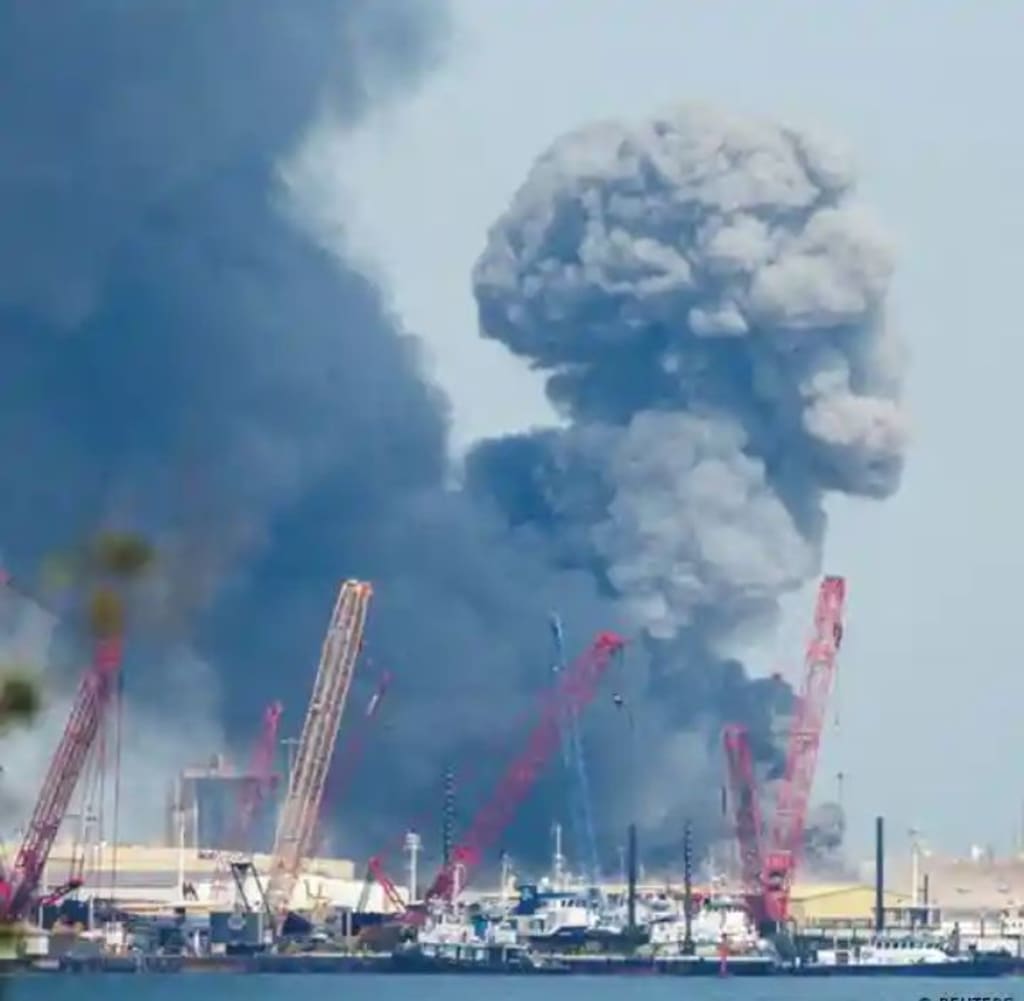
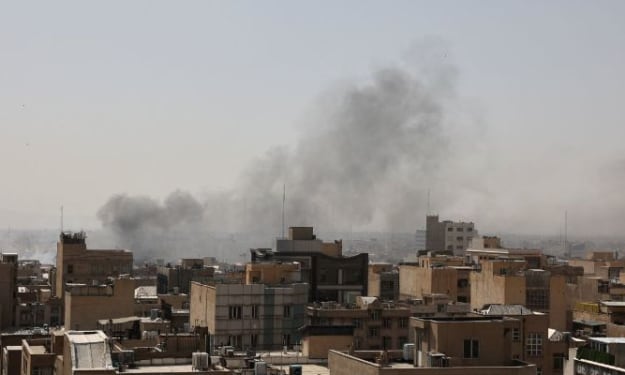
The Middle East once again finds itself at the center of global attention after Iran launched a series of retaliatory strikes against U.S. military positions in the region. The attacks followed coordinated American and Israeli operations targeting Iranian military infrastructure.
Despite the intensity of the missile and drone barrage, U.S. officials have stated there are “no reports” of American casualties — a development that has shaped early reactions in Washington and abroad.
While the absence of U.S. fatalities may ease immediate domestic concerns, the broader implications of this confrontation remain deeply serious.
What Triggered the Strikes?
The confrontation escalated after the United States and Israel carried out what officials described as preemptive strikes on Iranian military facilities. These operations reportedly targeted missile launch sites, air defense systems, and strategic assets believed to pose imminent threats.
Iran responded swiftly.
Missiles and drones were launched toward U.S. military bases and allied facilities across the Persian Gulf region. Countries including Bahrain, Qatar, Kuwait, and the United Arab Emirates activated air defense systems to intercept incoming projectiles.
The exchange marks one of the most direct military confrontations between Washington and Tehran in recent years.
The US Response: “No Reports” of Casualties
According to United States Central Command, initial battlefield assessments show no American service members were killed or wounded during the retaliatory strikes.
The Pentagon emphasized that defensive systems successfully intercepted many of the incoming missiles and drones. Military infrastructure at targeted bases reportedly sustained limited damage, and operations continue as normal.
The phrase “no reports of casualties” reflects how early military communications work. In the immediate aftermath of attacks, data is still being verified. However, officials indicated confidence that American personnel were protected through advanced warning systems and defensive measures.
How Were Casualties Avoided?
Modern military bases are designed with protection in mind. Several factors likely contributed to the absence of American casualties:
1. Advanced Missile Defense Systems
Air defense platforms such as Patriot batteries and other interception systems are designed to neutralize incoming threats before impact.
2. Early Warning Intelligence
Intelligence-sharing networks in the region allow rapid alerts, giving troops time to seek shelter.
3. Hardened Infrastructure
U.S. bases in high-risk regions are constructed with reinforced structures capable of withstanding missile strikes.
Together, these measures demonstrate how modern warfare increasingly relies on defensive technology as much as offensive capability.
Iran’s Message to Washington
Although no U.S. casualties have been confirmed, Iran’s retaliatory strike sends a clear message: Tehran retains the capability and willingness to respond forcefully.
Iranian officials described their actions as defensive retaliation against what they consider violations of sovereignty. State media highlighted the scale of the missile barrage, portraying it as proof of strength and deterrence.
As is common in wartime, competing narratives have emerged. While U.S. officials emphasize the lack of casualties, Iranian sources have claimed significant impact — assertions that remain unverified.
Information warfare now accompanies physical warfare, shaping global perception as much as battlefield outcomes.
Regional Fallout and Global Anxiety
Even without American fatalities, the strikes have triggered widespread concern.
Energy Markets React
Oil prices rose sharply amid fears of instability in the Persian Gulf, particularly near the Strait of Hormuz — a critical global shipping route.
Governments on Alert
Regional governments increased security at military and civilian facilities. Airlines adjusted flight paths. Diplomats intensified consultations.
Calls for Restraint
International leaders and the United Nations urged all sides to de-escalate, warning that continued retaliation could ignite a broader regional war.
The absence of U.S. casualties may reduce immediate pressure in Washington, but the broader risk remains very real.
Why Casualty Numbers Matter
In military conflicts, casualty reports carry enormous political weight.
When fatalities occur, public opinion can shift quickly. Congressional scrutiny intensifies. Pressure for de-escalation — or, conversely, escalation — grows.
The current report of no American casualties allows U.S. leaders to frame the operation as controlled and effective. It suggests preparedness and operational superiority.
However, casualty counts tell only part of the story.
War’s impact extends beyond immediate deaths or injuries. Psychological trauma, long-term instability, economic consequences, and civilian suffering all shape the true cost of conflict.
A Conflict at a Crossroads
The confrontation between the United States and Iran has unfolded in cycles for decades — sanctions, proxy clashes, cyberattacks, and occasional direct strikes.
This latest exchange feels more direct and more volatile.
Key questions now dominate diplomatic conversations:
Will Iran launch further retaliatory strikes?
Will the U.S. expand military operations?
Can backchannel diplomacy prevent escalation?
How will regional allies respond?
Each decision carries significant consequences.
What Happens Next?
Several scenarios are possible:
Limited Retaliation Followed by De-escalation
Both sides may decide they have demonstrated strength and step back from further confrontation.
Prolonged Tit-for-Tat Strikes
Missile and drone exchanges could continue, raising the risk of eventual casualties.
Wider Regional Conflict
If proxy groups or neighboring states become more deeply involved, the crisis could expand dramatically.
For now, military readiness remains high, and diplomatic efforts are likely occurring behind closed doors.
A Temporary Relief — Not a Resolution
The statement that there are “no reports” of American casualties provides short-term reassurance. It reflects effective defense and rapid response under pressure.
But it does not resolve the deeper geopolitical conflict.
The Middle East remains in a fragile state. Trust between Washington and Tehran is minimal. Strategic rivalry persists.
The coming days will reveal whether this moment becomes a brief spike in tensions — or the beginning of a far more dangerous chapter.
For now, one fact stands out amid the noise and uncertainty: despite the scale of the strikes, American forces have, at least so far, avoided loss of life.
And in a region long defined by devastating consequences, that alone carries significant weight.
If you’d like, I can now:
Add a compelling subtitle
Optimize it for SEO keywords
Strengthen the conclusion with a call-to-action
Or expand it slightly beyond 900 words for stronger platform engagement
About the Creator
Future-Proof Staffing: Building Stability Through Community and Systems
The past several years have underscored an important reality for staffing firms: resilience is not accidental. Markets shift quickly. Hiring demand rises, slows, and resurfaces. Cash flow can tighten with little notice. Firms that remain stable through uncertainty tend to rely on consistent systems, informed decision-making, and disciplined financial practices rather than short-term fixes.
By CEO A&S Developers7 days ago in Journal


Comments
There are no comments for this story
Be the first to respond and start the conversation.