
Daylight saving time 2025: When to 'spring forward' for time change and why we do it
did the time change today

Daylight Saving Time 2025: When to 'Spring Forward' and Why We Do It
As the calendar flips to March, many Americans will prepare for the annual ritual of Daylight Saving Time (DST) — a time-honored tradition that sees the clocks “spring forward,” giving us longer evenings filled with daylight. The shift in time has become a familiar part of our lives, but have you ever stopped to wonder why we do it? And what exactly is the purpose behind losing an hour of sleep?
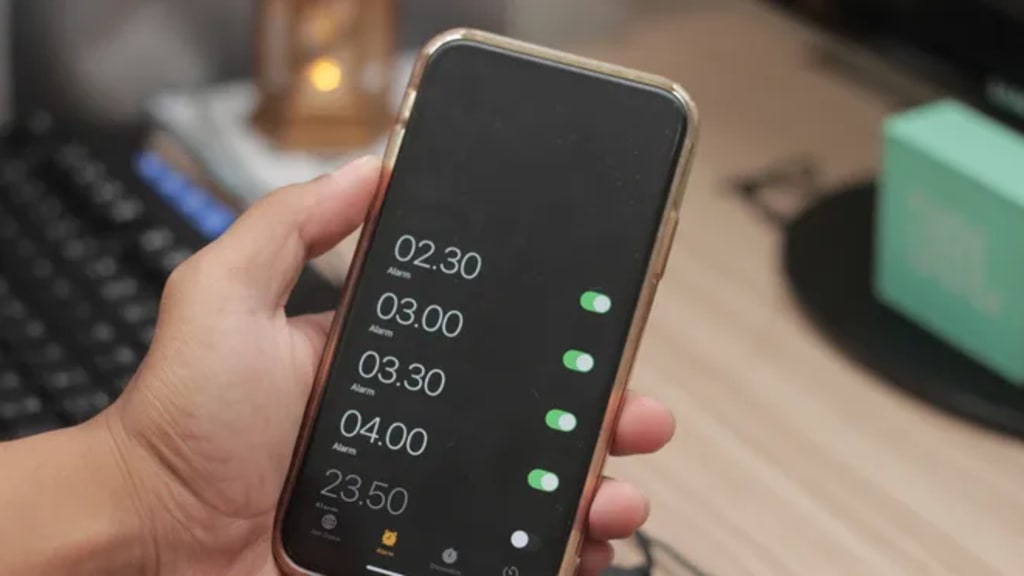
For 2025, the official date for the start of Daylight Saving Time will be Sunday, March 9 at 2:00 AM local standard time. At this time, clocks will jump forward by one hour, signaling the beginning of the period when daylight lasts longer into the evening. But while it’s a tradition that’s been ingrained in society for decades, the practice of shifting the clocks twice a year — once in the spring and again in the fall — has become a topic of debate in recent years. Is it still necessary, or has it outlived its usefulness?
Let’s dive into the history of Daylight Saving Time, why it was first introduced, how it affects our lives, and whether it will remain a part of our future.
The History of Daylight Saving Time
The idea of Daylight Saving Time wasn’t born out of convenience or modern-day consumerism. It actually traces its origins to Benjamin Franklin in 1784. While serving as an American ambassador in France, Franklin suggested in a humorous letter that people could save money on candles by waking up earlier to take advantage of natural daylight. The concept, however, didn’t gain much traction at the time.
Fast forward to World War I, when the idea of shifting the clocks to make better use of daylight hours was resurrected. The idea was to conserve energy during wartime by reducing the need for artificial lighting in the evenings. In 1918, the United States officially adopted Daylight Saving Time as a way to conserve fuel during the war. However, the practice was discontinued after the war ended.
It wasn’t until World War II that DST returned, with the U.S. reintroducing it to save energy and support the war effort. After the war, Daylight Saving Time became more consistent, with various states and regions opting to observe it. The practice was standardized in the U.S. through the Uniform Time Act of 1966, which established the rules we still follow today.
Why Do We "Spring Forward"?
Now that we know where DST came from, you may be wondering: why do we continue to observe it? The main reason for the “spring forward” shift is still rooted in energy conservation, as the longer daylight hours are supposed to reduce the need for artificial lighting during the evenings. This helps save energy, particularly during the warmer months when people spend more time outdoors.
Additionally, the extra daylight hours in the evening are often viewed as a bonus for people who work traditional 9-to-5 jobs. With more daylight after work, people are able to engage in outdoor activities, social events, or simply enjoy the extended daylight hours before it gets dark.
Over the years, studies have shown that the energy savings from DST are not as significant as originally hoped. With advancements in energy-efficient lighting and changes in energy consumption patterns, the actual savings are now relatively minimal. However, proponents of Daylight Saving Time argue that the extra daylight benefits people’s health, mood, and overall well-being, with longer days providing more opportunities for physical activity.
When Does Daylight Saving Time Start and End in 2025?
In 2025, Daylight Saving Time will officially begin on Sunday, March 9, at 2:00 AM local standard time. At that time, clocks will be moved forward by one hour, meaning people will lose one hour of sleep that night. This change will stay in effect until Sunday, November 2, 2025, when clocks will be set back one hour for the end of DST, often referred to as "falling back."
While the dates of the time changes remain consistent each year, the specific times of transition can vary depending on where you are in the world. Notably, the United States does not observe Daylight Saving Time in Hawaii and most of Arizona, although some regions of Arizona, like the Navajo Nation, still participate in the time change.
How Daylight Saving Time Affects Us
Though the time change happens in the early morning hours, the effects of the shift are felt throughout the day. Losing an hour of sleep can disrupt people’s routines, especially in the days following the time change. Many people report feeling groggy, fatigued, or off-balance in the first few days after the switch. The abrupt change can throw off circadian rhythms, which regulate sleep patterns and energy levels.
In addition to the immediate effects on sleep, Daylight Saving Time has other impacts on our daily lives:
Increased Exposure to Daylight: The shift means we’ll have more daylight during the evening hours, which can positively affect mood and activity levels. Longer days can make people feel more energized, promoting physical activity and social engagement.
Changes in Work and School Schedules: The time change can cause disruptions in work or school schedules, especially when the shift happens on a Sunday night. Many individuals, especially those with children or other early-morning responsibilities, may feel the effects of the time change the next day.
Health and Safety Implications: While some studies have suggested that the switch to DST can have positive effects on mental health due to more sunlight exposure, others indicate a rise in health risks immediately after the change. Research has shown a slight increase in incidents such as heart attacks, strokes, and car accidents during the days following the transition into Daylight Saving Time. This has led some to question whether the benefits of the time change outweigh the risks.
Arguments For and Against Daylight Saving Time
Over the years, Daylight Saving Time has sparked significant debate. On one hand, proponents argue that the extended daylight in the evening is beneficial for outdoor activities, family time, and business. It’s also believed to help reduce energy usage, despite studies showing that the savings are minimal. Supporters also point to the positive psychological effects of having more daylight in the evening after a long workday.
On the other hand, critics argue that the time change disrupts natural sleep patterns, leads to a loss of productivity in the days following the switch, and is no longer effective in reducing energy consumption. Many people feel that the time change is an outdated practice that doesn’t offer the same benefits it once did. Some have suggested that the U.S. should permanently adopt Standard Time year-round, removing the need for biannual clock shifts.
In fact, some states have already taken action toward permanent DST or permanent Standard Time. States like Florida have passed legislation to make DST permanent, although federal law still requires the switch. Meanwhile, states like Arizona and Hawaii have opted out of the time change altogether, arguing that the practice doesn’t fit their climate and lifestyle needs.
Will Daylight Saving Time Be Abolished?
While the debate continues, there has been growing momentum toward abolishing Daylight Saving Time in recent years. In 2023, the Sunshine Protection Act was introduced in the U.S. Senate, proposing the permanent adoption of Daylight Saving Time year-round. However, the bill has yet to gain significant traction and has faced pushback from those who prefer Standard Time or feel the change could have unintended consequences.
The possibility of eliminating Daylight Saving Time or making it permanent may be something to watch in the coming years, especially as the debate over the benefits versus drawbacks of the practice continues to evolve. As it stands, Daylight Saving Time remains a part of American life, even as its purpose is questioned.
Conclusion
Daylight Saving Time 2025 will officially begin on March 9, when the clocks "spring forward" by one hour. While the tradition of adjusting the clocks has been a fixture of life for more than a century, the debate over its benefits and drawbacks is ongoing. The time change affects us all, from disrupting sleep patterns to providing more daylight for evening activities. Whether DST will remain a part of our future or eventually be phased out is still to be determined, but for now, it’s a tradition that continues to shape how we experience our days and nights. As we prepare for the clock change in 2025, it’s a good time to reflect on the history, impacts, and future of Daylight Saving Time in our modern world.
About the Creator
Keep reading
More stories from Arean Ahamad and writers in Journal and other communities.
Cavaliers rely on scoring balance to beat Bucks 112-100 for 14th consecutive victory
Cavaliers Rely on Scoring Balance to Beat Bucks 112-100 for 14th Consecutive Victory The Cleveland Cavaliers have made an impressive statement in the 2025 NBA season, extending their winning streak to 14 consecutive victories with a hard-fought 112-100 win over the defending NBA champions, the Milwaukee Bucks. This victory is not just another notch on the belt for the Cavaliers; it’s a testament to their evolving identity as one of the most balanced and resilient teams in the NBA today.
By Arean Ahamadabout a year ago in Journal
The Anatomy of a Comeback
We often hear the phrase “comeback,” but what does it truly mean to rise again? Is it simply about returning to a previous position of success, or is it something deeper — an emotional, mental, and professional rebirth? The journey of John Bonavia illustrates the anatomy of a comeback in ways that are instructive, inspiring, and profoundly human.
By John Bonavia7 days ago in Journal
The Politics of Playing Dress-Up
Well, to start off I'd like to say a happy world book day to all who celebrate. I know I haven't really posted anything on my socials about it but I'm not a jubilant kind of person. I lay low most of the time. Let's start off with a popular anecdote from the vaults...
By Annie Kapur7 days ago in Geeks



Comments
There are no comments for this story
Be the first to respond and start the conversation.