
Day in the Life of a Remote Medical Scribe: What to Expect
Remote Medical Scribe

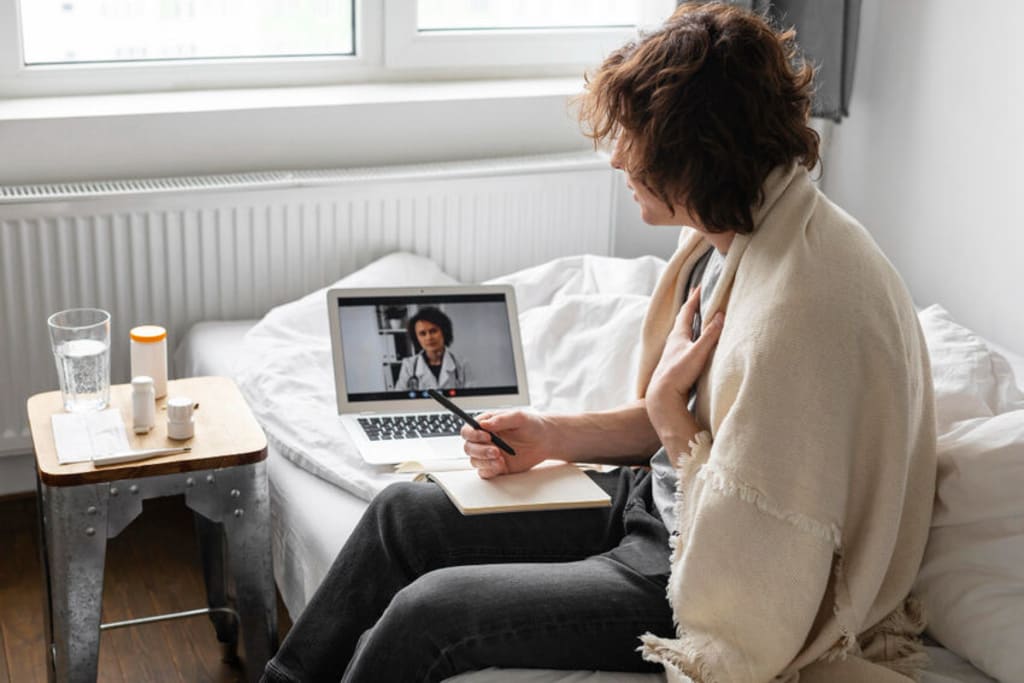
The healthcare industry is evolving rapidly, and with the rise of telemedicine and electronic health records (EHRs), Remote Medical Scribe jobs have become essential for efficient patient care. While the role of a traditional scribe is often tied to a physical clinic or hospital, remote medical scribes perform the same crucial functions from the comfort of their own home or any remote location. These professionals play a pivotal role in ensuring accurate medical documentation, allowing physicians to focus on patient care rather than charting.
If you’re considering a career as a remote scribe, it’s important to understand what a typical day looks like, what skills you’ll need, and how the workflow operates in a virtual environment. This guide provides a comprehensive look at the daily responsibilities, challenges, and rewards of Remote Medical Scribe jobs.
Morning Routine: Preparing for a Remote Shift
A day in the life of a remote medical scribe often begins before logging into the virtual workspace. Since these jobs are remote, creating an organized, distraction-free environment is crucial for productivity and accuracy.
1. Setting Up Your Workspace
Most remote scribes work on a computer with dual monitors—one for video consultations and another for charting. Other essentials include:
- A high-speed internet connection
- Headphones or a quality headset
- Notepads or digital note-taking tools
- Comfortable seating and good lighting
Proper preparation ensures that you can document efficiently and follow along with the physician’s pace.
2. Checking Schedules and Patient Lists
Before the first patient arrives, remote scribes review the schedule and prepare any necessary templates for documentation. This includes reviewing patient histories, identifying prior diagnoses, and noting any important follow-up items.
A well-prepared scribe can anticipate physician needs, leading to faster and more accurate charting during patient visits.
During Shift: Real-Time Documentation
The core responsibility of a remote medical scribe is real-time documentation of patient encounters. This can include telehealth visits, in-person visits observed via video, or audio dictation provided by the physician.
1. Listening and Capturing Clinical Details
Remote scribes must have excellent listening skills to accurately capture the details of each encounter. Physicians often speak quickly, jump between topics, or use specialized medical terminology. Scribes must:
- Document patient symptoms, complaints, and histories
- Record vital signs, lab results, and medications
- Capture the physician’s assessment, plan, and follow-up instructions
Accuracy is key. Even minor errors in documentation can lead to confusion, billing issues, or compromised patient care.
2. Navigating Electronic Health Records (EHRs)
Remote medical scribes typically work within EHR systems such as Epic, Cerner, or Athenahealth. Efficient use of these platforms allows scribes to:
- Enter patient information quickly
- Update charts in real-time
- Attach lab results and imaging reports
- Generate notes for billing and compliance
Mastery of EHR software is crucial to succeed in Remote Medical Scribe jobs, and many employers provide platform-specific training.
3. Adapting to Physician Style
Every physician has a unique approach to patient care. A successful remote scribe adapts to each provider’s workflow, charting style, and terminology preferences. This requires flexibility, strong observation skills, and the ability to quickly adjust to new scenarios.
Midday: Balancing Multiple Tasks
Remote medical scribes often handle multiple responsibilities simultaneously. Between patient visits, scribes may need to:
- Review and edit previous notes for accuracy
- Ensure compliance with HIPAA and data privacy regulations
- Verify that charts are complete for billing and auditing purposes
- Communicate with the medical team if clarification is needed
Time management is essential. A single physician’s schedule may include back-to-back patient visits, requiring scribes to maintain focus and efficiency throughout the day.
Afternoon Workflow: Handling Challenges
The afternoon shift can bring unique challenges for remote scribes. Common situations include:
1. Managing Complex Cases
Patients with multiple chronic conditions or complicated histories require detailed documentation. Scribes must capture the full clinical picture without omitting critical information.
2. Technical Glitches
Remote work relies heavily on technology. Internet interruptions, EHR downtime, or software errors can impact workflow. Being prepared with backup systems or knowing IT support contacts is vital.
3. Keeping Up with Physician Pace
Some physicians dictate faster than others. Scribes must be able to type quickly, maintain high accuracy, and avoid burnout while keeping up with the rapid pace of clinical visits.
End of Shift: Review and Documentation Completion
A remote medical scribe’s day doesn’t end with the last patient encounter. Post-shift responsibilities include:
- Reviewing all charts for completeness
- Ensuring all notes meet quality and compliance standards
- Following up on pending documentation or corrections requested by the physician
- Submitting completed charts to the EHR system for billing and record-keeping
Thorough review at the end of each shift helps prevent errors, supports efficient clinic operations, and contributes to overall patient care quality.
Skills That Make a Remote Medical Scribe Successful
Working as a remote medical scribe requires a combination of technical, clinical, and soft skills. Key competencies include:
1. Strong Medical Terminology Knowledge
A deep understanding of anatomy, conditions, medications, and procedures is essential. Physicians rely on scribes to accurately translate clinical discussions into written records.
2. Typing Speed and Accuracy
High typing speed (60–90 words per minute) and precision are critical to keeping up with real-time dictation.
3. EHR Proficiency
Remote scribes must be comfortable navigating digital health systems, creating templates, and entering data efficiently.
4. Attention to Detail
Even small errors in documentation can lead to patient safety risks or billing complications. Scribes must maintain high accuracy at all times.
5. Communication and Professionalism
Although remote, scribes interact with physicians, nurses, and administrative staff. Clear, professional communication is essential for smooth workflow.
6. Adaptability
No two days are the same. Scribes must adjust to different specialties, physician styles, and patient needs.
The Benefits of Remote Medical Scribe Jobs
Working remotely as a medical scribe offers several advantages over traditional onsite positions:
- Flexible work location: Scribes can work from home or anywhere with a stable internet connection.
- Exposure to multiple specialties: Remote positions often allow experience with diverse medical fields.
- Career development: Many remote scribes use the role as a stepping stone to careers in medicine, nursing, or healthcare administration.
- Work-life balance: Remote shifts can be scheduled to fit personal needs.
- Reduced commuting stress: Working from home eliminates travel time, allowing more focus on documentation.
Challenges to Expect in Remote Medical Scribe Jobs
While rewarding, remote scribing comes with unique challenges:
- Maintaining focus in a home environment
- Coping with high-pressure or fast-paced visits
- Handling technical issues independently
- Working without immediate physical support from a team
- Managing isolation from peers or the clinic environment
Preparation, organization, and strong communication skills can help scribes overcome these obstacles.
Conclusion
A day in the life of a remote medical scribe is dynamic, fast-paced, and demanding—but also highly rewarding. From setting up a distraction-free workspace to navigating EHRs, documenting patient encounters, and reviewing notes for accuracy, remote scribes are integral to modern healthcare.
With the growth of telemedicine and digital health, Remote Medical Scribe jobs are not only in demand but offer flexibility, career growth, and a unique pathway into clinical professions. Whether you’re interested in pre-med experience, clinical exposure, or a long-term healthcare career, remote scribing provides an excellent opportunity to gain essential skills while supporting patient care.
FAQs
1. What does a remote medical scribe do?
A remote medical scribe documents patient encounters, updates EHRs, and assists physicians with clinical charting from a virtual location.
2. What skills are required for remote medical scribe jobs?
Key skills include medical terminology knowledge, typing speed, EHR proficiency, attention to detail, communication, and adaptability.
3. Can I work as a remote medical scribe without prior medical experience?
Yes. Many employers provide training, but understanding medical terminology and basic clinical knowledge is helpful.
4. How much do remote medical scribes earn?
Salaries typically range from $12 to $20 per hour, depending on experience, specialization, and employer.
5. Is remote medical scribing a good career for pre-med students?
Absolutely. It provides hands-on clinical exposure, familiarity with medical documentation, and insight into physician workflows.
About the Creator
Scott Andery
Scott Andery is a Marketing Consultant and Writer. He has worked with different IT companies and he has 10+ years of experience in Digital Marketing.
Keep reading
More stories from Scott Andery and writers in Journal and other communities.
The Future of Code: Key Software Development Trends Shaping 2026
Software development has always been a rapidly evolving industry, but the pace of change heading into 2026 is faster than ever. With breakthroughs in artificial intelligence, enhanced automation tools, quantum advancements, and a growing need for software that adapts to global digital demands, developers are entering a new era of creativity and responsibility. The future of code is not only about writing programs more efficiently—it is about creating intelligent, ethical, secure, and adaptive systems that can shape the world of tomorrow.
By Scott Andery2 months ago in Journal
How Retrieval-Augmented Generation Services Are Transforming Enterprises at Scale
Not long ago, many AI initiatives inside large organizations struggled to move beyond pilot projects. The models looked impressive in demos, but once deployed, they often failed to deliver accurate, reliable, or up-to-date results. Hallucinations, outdated knowledge, and lack of transparency made decision-makers cautious about scaling AI across critical business functions.
By Kanak Appinventiv4 days ago in Journal




Comments
There are no comments for this story
Be the first to respond and start the conversation.