
Data Centres Could Strain Europe’s Power Supply by 2030, Report Warns
The rapid expansion of data centres in Europe threatens to strain power supplies and escalate emissions by 2030, necessitating urgent sustainable solutions.

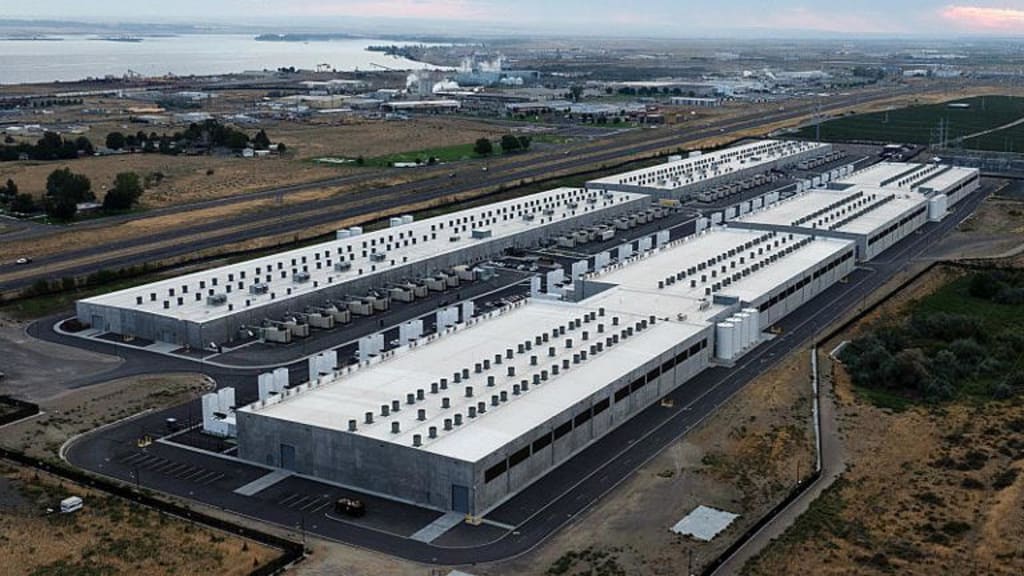
The rapid expansion of data centres across Europe is raising serious concerns about the strain they could place on the continent’s power supply by 2030. As digitalisation accelerates and artificial intelligence (AI) becomes more prevalent, the demand for data storage and processing power is soaring. However, this unprecedented growth poses a significant challenge to energy infrastructure, sustainability goals, and climate commitments.
The Rising Energy Demand of Data Centres
The increasing reliance on cloud computing, AI-driven applications, and large-scale data processing is causing data centres to consume more electricity than ever before. Reports suggest that electricity demand from European data centres could rise by as much as 160% by 2030, reaching nearly 287 terawatt-hours (TWh).
This surge is driven by factors such as the growing number of hyperscale data centres, increased cloud storage, and the computational power required for AI training models. With more businesses and governments shifting to digital operations, data centres are becoming the backbone of modern economies. However, without strategic energy planning, this growth could outpace the development of renewable energy sources, leading to an over-reliance on fossil fuels.
Projected Impact on Power Supply
Many European countries are already experiencing the pressure of growing energy demands from data centres. The grid infrastructure in several regions is struggling to keep up, especially in areas with a high concentration of these facilities. If the projected increase in energy consumption materializes, power shortages and blackouts could become more frequent, particularly during peak hours.
For example, Ireland has witnessed a dramatic rise in electricity consumption from data centres, which now account for over 20% of the national electricity demand. This has prompted authorities to impose restrictions on new data centre developments in certain areas due to concerns about grid capacity.
Other European nations, including Germany, the Netherlands, and the UK, are also facing similar challenges. With electricity grids already under strain due to the transition to renewable energy, the additional demand from data centres could slow down the shift away from fossil fuels and increase carbon emissions.
Environmental Consequences and Carbon Footprint
The expansion of data centres could pose a serious threat to Europe’s climate goals. If the additional energy demand is met through non-renewable sources, annual carbon emissions from data centres alone could exceed 39 million tons of CO₂ by 2030. This would be greater than the total emissions of several small European nations combined.
Data centres require vast amounts of electricity not only to power servers but also for cooling systems that prevent overheating. The environmental impact of these facilities depends largely on the source of their electricity. If coal and natural gas continue to supply a significant portion of the power grid, the net effect will be an increase in greenhouse gas emissions.
Despite efforts by some companies to transition to renewable energy sources, the pace of renewable infrastructure development has not kept up with the rising demand. The mismatch between power needs and sustainable energy generation remains a critical challenge for the industry.
Industry and Government Initiatives to Address the Issue
Recognizing the looming crisis, several stakeholders, including tech companies, policymakers, and environmental groups, are pushing for measures to mitigate the impact of data centre energy consumption.
1. Adoption of Renewable Energy
Many large cloud providers, including those operating hyperscale data centres, have pledged to power their facilities entirely with renewable energy. The goal is to match electricity demand with green energy sources such as wind and solar power. However, achieving 100% renewable energy usage across all data centres remains a difficult task due to intermittency issues and infrastructure limitations.
2. Implementation of Energy Efficiency Measures
Data centre operators are investing in cutting-edge cooling technologies and energy-efficient hardware to reduce overall power consumption. Advances in liquid cooling and artificial intelligence-driven energy management systems are helping optimize efficiency and minimize waste.
3. Government Regulations and Policies
European governments are exploring policy measures to regulate the expansion of data centres. Some countries are imposing restrictions on new developments in areas where energy supply is already constrained. Additionally, governments are encouraging tech companies to build data centres in locations where surplus renewable energy is available.
4. Industry Commitments to Climate Neutrality
The Climate Neutral Data Centre Pact is one initiative where companies commit to achieving climate-neutral operations by 2030. This includes measures such as improving energy efficiency, using low-carbon cooling technologies, and recycling electronic waste to minimize environmental impact.
Potential Solutions for Sustainable Growth
While data centres play a crucial role in the digital economy, their growth must be balanced with sustainability. To ensure that data centres do not compromise Europe’s energy security, the following strategies could be adopted:
- Strategic Location Planning: Encouraging the construction of data centres in regions with abundant renewable energy resources can help reduce reliance on fossil fuels.
- Energy Storage Solutions: Advancements in battery storage and grid infrastructure could help manage fluctuations in renewable energy supply.
- Optimized AI Workloads: AI-driven optimization techniques can ensure that computing resources are used more efficiently, reducing unnecessary energy consumption.
- Public-Private Partnerships: Collaboration between governments, energy providers, and technology companies can facilitate investments in renewable energy projects dedicated to data centre operations.
The Future of Data Centres and Energy Consumption
As Europe continues its digital transformation, data centres will remain a key component of its technological infrastructure. However, without proper planning and sustainable energy strategies, the sector’s growth could have unintended consequences for the power grid and the environment.
It is crucial for governments, businesses, and energy providers to work together to address these challenges. Investing in renewable energy, enhancing grid resilience, and improving energy efficiency will be essential to ensuring that data centres contribute to a sustainable digital future rather than becoming a burden on Europe’s power supply.
By taking proactive measures now, Europe can strike a balance between technological advancement and environmental responsibility, ensuring that data centres remain a vital part of the economy without undermining energy security or climate goals.
About the Creator
Minecraft APK Download (Android, Pro Unlocked)
Fast free Minecraft APK Download for Android. Get Minecraft Pocket Edition, mods, and the latest version. Enjoy building and exploring in Minecraft PE. NBS Reborn APK.
Keep reading
More stories from Minecraft APK Download (Android, Pro Unlocked) and writers in Journal and other communities.
Nationwide Bonus Payouts: What You Need to Know
In recent years, nationwide bonus payouts have gained attention as companies and governments distribute lump-sum payments to employees or citizens. These bonuses can be performance-based, economic stimulus incentives, or profit-sharing rewards. Understanding how these payouts work, their benefits, and their impact on the economy is crucial for both employees and businesses.
By Minecraft APK Download (Android, Pro Unlocked)about a year ago in Journal




Comments (1)
Look at Iceland they are using geo thermal to produce full electricity without cost.