
Cryptocurrency
Understanding the Future of Money and How to Invest Wisely
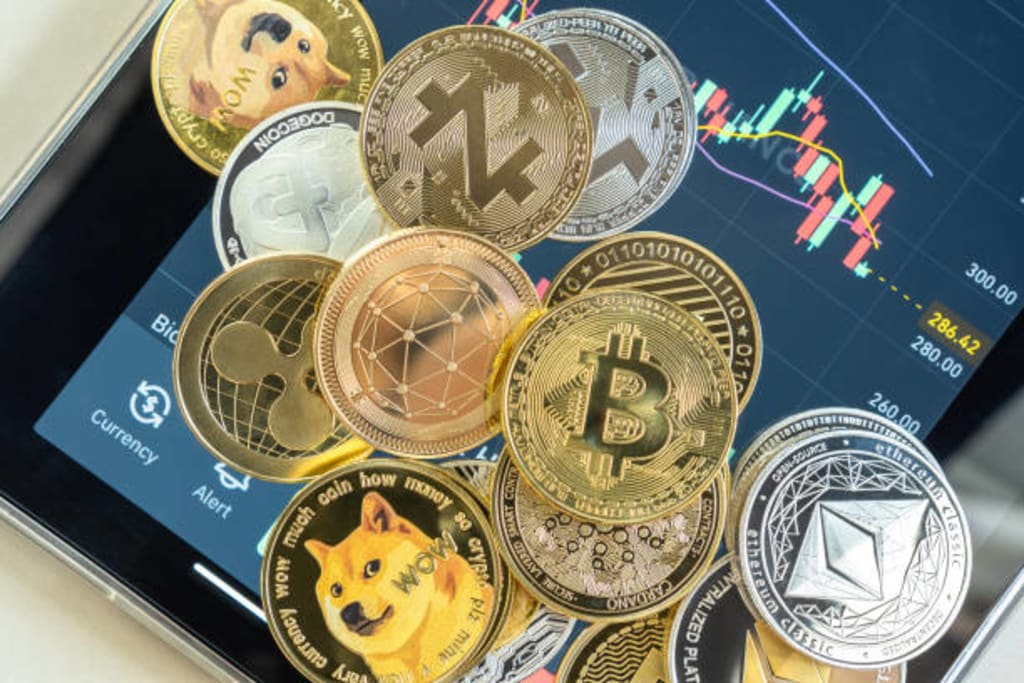
**Cryptocurrency: Understanding the Future of Money and How to Invest Wisely**
Cryptocurrency has rapidly evolved from a niche interest to a mainstream financial phenomenon, capturing the attention of investors, technologists, and even governments. As digital currencies like Bitcoin, Ethereum, and numerous others become increasingly prominent, understanding their potential, risks, and how to invest wisely is crucial. This article delves into the world of cryptocurrency, exploring its origins, key features, and offering practical advice for those looking to navigate this volatile yet promising market.
**The Origins and Evolution of Cryptocurrency**
Cryptocurrency, a digital or virtual form of currency, relies on cryptographic techniques to secure transactions and control the creation of new units. The inception of cryptocurrency can be traced back to the late 2000s, with the creation of Bitcoin by an anonymous person or group known as Satoshi Nakamoto. Introduced in a 2008 white paper titled "Bitcoin: A Peer-to-Peer Electronic Cash System," Bitcoin was designed as a decentralized currency, free from government control and traditional financial institutions.
Since Bitcoin's launch in 2009, thousands of alternative cryptocurrencies (often referred to as altcoins) have emerged, each with unique features and purposes. Ethereum, launched in 2015, introduced the concept of smart contracts, programmable agreements that execute automatically when predefined conditions are met. Other notable cryptocurrencies include Ripple (XRP), Litecoin (LTC), and Cardano (ADA), each offering different innovations and use cases.
**Key Features of Cryptocurrency**
1. **Decentralization**: Unlike traditional currencies issued by central banks, cryptocurrencies operate on decentralized networks, typically using blockchain technology. A blockchain is a distributed ledger that records all transactions across a network of computers, ensuring transparency and security.
2. **Cryptography**: Cryptocurrencies use cryptographic techniques to secure transactions and control the creation of new units. This ensures that transactions are tamper-proof and that new coins are created in a controlled manner.
3. **Limited Supply**: Many cryptocurrencies have a fixed supply limit, meaning only a certain number of coins can ever be created. For example, Bitcoin has a maximum supply of 21 million coins. This scarcity can drive demand and potentially increase value over time.
4. **Anonymity and Privacy**: While transactions are recorded on a public ledger, the identities of the parties involved are often anonymous or pseudonymous. This provides a level of privacy not typically available with traditional financial transactions.
5. **Global Accessibility**: Cryptocurrencies can be accessed and used by anyone with an internet connection, making them a truly global form of currency. This can be particularly beneficial in regions with limited access to traditional banking services.
**Investing in Cryptocurrency: Opportunities and Risks**
Cryptocurrency offers unique investment opportunities, but it also comes with significant risks. Understanding these factors is essential for anyone looking to invest in this emerging market.
**Opportunities**
1. **High Potential Returns**: Cryptocurrencies have the potential for substantial returns. Bitcoin, for instance, has experienced exponential growth since its inception, despite periods of extreme volatility.
2. **Diversification**: Including cryptocurrencies in your investment portfolio can provide diversification, reducing overall risk. Cryptocurrencies often have low correlation with traditional asset classes like stocks and bonds.
3. **Innovation and Utility**: Many cryptocurrencies are built on innovative technologies with the potential to disrupt various industries. For example, Ethereum’s smart contracts could revolutionize legal agreements and other applications.
4. **Accessibility**: Cryptocurrencies can be bought and sold on various online platforms, making them accessible to individual investors. Additionally, fractional ownership allows investors to buy smaller portions of coins, lowering the barrier to entry.
**Risks**
1. **Volatility**: Cryptocurrencies are known for their price volatility. Significant price swings can happen in short periods, leading to substantial gains or losses.
2. **Regulatory Uncertainty**: The regulatory environment for cryptocurrencies is still evolving. Changes in regulations or government policies can impact the value and legality of cryptocurrencies.
3. **Security Risks**: While blockchain technology is secure, the platforms and exchanges where cryptocurrencies are traded can be vulnerable to hacks and fraud. Investors must take precautions to protect their assets.
4. **Lack of Intrinsic Value**: Unlike stocks or real estate, cryptocurrencies do not generate income or have intrinsic value. Their value is largely based on market demand and speculation, which can be highly unpredictable.
**How to Invest Wisely in Cryptocurrency**
1. **Educate Yourself**: Before investing, take the time to understand how cryptocurrencies work, the technology behind them, and the factors that influence their value. Resources such as white papers, online courses, and reputable news sources can provide valuable insights.
2. **Choose the Right Exchange**: Select a reputable cryptocurrency exchange to buy, sell, and store your assets. Look for platforms with strong security measures, user-friendly interfaces, and good customer support. Popular exchanges include Coinbase, Binance, and Kraken.
3. **Diversify Your Portfolio**: Don’t put all your money into a single cryptocurrency. Diversifying your investments across multiple coins can help mitigate risk. Consider a mix of established coins like Bitcoin and Ethereum and promising altcoins.
4. **Invest What You Can Afford to Lose**: Given the high risk and volatility of the cryptocurrency market, only invest money that you can afford to lose. Avoid putting your entire savings or taking on debt to invest in cryptocurrencies.
5. **Stay Informed**: The cryptocurrency market is dynamic and rapidly changing. Stay informed about market trends, regulatory developments, and technological advancements. Follow reputable news sources and join online communities to keep up with the latest information.
6. **Use Secure Wallets**: Store your cryptocurrencies in secure wallets. Hardware wallets, such as Ledger and Trezor, offer enhanced security compared to online wallets. Ensure you keep your private keys safe and do not share them with anyone.
7. **Consider Long-Term Investment**: While short-term trading can be profitable, it also carries higher risk due to market volatility. Consider a long-term investment strategy, holding onto your assets through market fluctuations to benefit from potential long-term growth.
**Conclusion**
Cryptocurrency represents a revolutionary shift in the world of finance, offering new opportunities and challenges for investors. By understanding the fundamentals of cryptocurrency, recognizing the associated risks, and adopting wise investment strategies, you can navigate this emerging market with confidence. As the landscape continues to evolve, staying informed and adaptable will be key to making the most of your cryptocurrency investments. Whether you’re a seasoned investor or a newcomer, the potential of cryptocurrency is vast, and the journey towards financial innovation has just begun.
**References**
- Nakamoto, S. (2008). Bitcoin: A Peer-to-Peer Electronic Cash System. Bitcoin.org.
- Casey, M. J., & Vigna, P. (2015). *The Age of Cryptocurrency: How Bitcoin and Digital Money Are Challenging the Global Economic Order*. St. Martin's Press.
- Tapscott, D., & Tapscott, A. (2016). *Blockchain Revolution: How the Technology Behind Bitcoin Is Changing Money, Business, and the World*. Penguin.
- Antonopoulos, A. M. (2017). *Mastering Bitcoin: Unlocking Digital Cryptocurrencies*. O'Reilly Media.
- Chohan, U. W. (2017). The Decentralized Economy: Thoughts on Blockchain. *SSRN Electronic Journal*.
About the Creator
Keep reading
More stories from Joy Mwanza and writers in Journal and other communities.
The Hidden Dangers of Ultra-Processed Foods: What You're Eating Could Be Killing You*
**The Hidden Dangers of Ultra-Processed Foods: What You're Eating Could Be Killing You** In the fast-paced world we live in, convenience often trumps health. With busy schedules and the constant rush of modern life, many of us reach for quick, easy-to-prepare meals without giving much thought to their nutritional content. Unfortunately, this trend has led to a significant rise in the consumption of ultra-processed foods, which pose serious risks to our health. This article delves into the hidden dangers of these foods, explaining why they're harmful and offering practical tips for making healthier choices.
By Joy Mwanza2 years ago in Education
Diary of Anony Elle
If you read the last post, forgive me… I was rambling. See, I have a plan! I have learned that perfection is not needed to start that plan. So, I just started it. I am committed and I will not allow my circumstances to deter me like I have many times before. Not this time. This time I am focused, dedicated, and willing to do everything that I need to do to achieve the outcome my babies and I deserve. I now know who I am, who they are, and what I am up against. I do not plan on being nice anymore, now that I know how stupid nice is. I do not wonder if they love me (“they” will be revealed soon) and I know who my enemies are; so I no longer have limits.
By Anony Elle7 days ago in Journal


Comments
There are no comments for this story
Be the first to respond and start the conversation.