
Crypto currency and its leaps
quantum leaps of crypto currencies
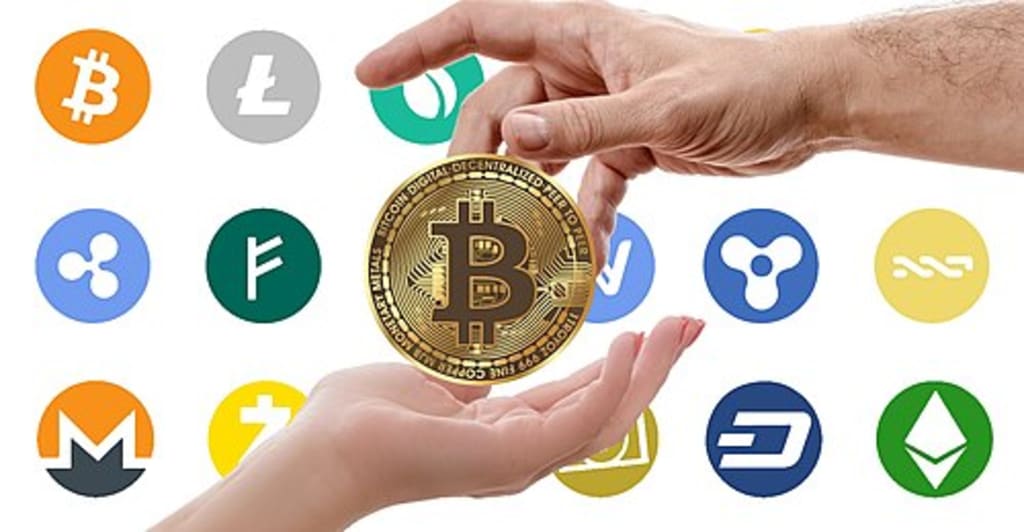
Cryptocurrency has been a hot topic for the past decade, with the introduction of Bitcoin in 2009. Since then, the crypto market has grown exponentially and has been joined by numerous other digital currencies. Cryptocurrencies offer a new way to conduct financial transactions that is decentralized, secure, and transparent. In this article, we will discuss what cryptocurrency is and how it works, as well as explore some of the major leaps the crypto market has made in recent years.
Cryptocurrency is a digital or virtual currency that uses cryptography to secure and verify transactions and to control the creation of new units. Unlike traditional currencies, which are issued and controlled by governments, cryptocurrencies are decentralized, meaning they are not subject to the control of any central authority. This makes them resistant to government manipulation and interference.
The most well-known cryptocurrency is Bitcoin, which was created by an unknown individual or group using the pseudonym Satoshi Nakamoto. Bitcoin operates on a decentralized blockchain network that allows for secure and transparent transactions without the need for intermediaries like banks. Bitcoin is created through a process called mining, which involves solving complex mathematical problems to verify transactions and add new blocks to the blockchain.
Since the introduction of Bitcoin, the crypto market has grown significantly, with new cryptocurrencies being introduced regularly. Some of the most popular cryptocurrencies besides Bitcoin include Ethereum, Ripple, Litecoin, and Bitcoin Cash. Each cryptocurrency operates on its own blockchain network and has its own unique features and use cases.
read about it and watch the video of how it happens here
One of the major leaps the crypto market has made in recent years is the increased adoption of cryptocurrency by mainstream institutions. Major companies like Tesla and PayPal have announced that they will accept Bitcoin as a form of payment, and major financial institutions like JPMorgan and Goldman Sachs have started to offer cryptocurrency trading services to their clients.
Another leap the crypto market has made is the introduction of decentralized finance (DeFi) platforms. DeFi platforms operate on blockchain networks and allow users to access financial services without the need for intermediaries like banks. DeFi platforms offer a wide range of financial services, including lending and borrowing, trading, and insurance. These platforms have the potential to disrupt the traditional financial system by making financial services more accessible and affordable for everyone.
Despite the many advances the crypto market has made, it still faces many challenges.The term "crypto quantum leap" refers to the potential impact that quantum computing may have on the field of cryptography. Quantum computers have the potential to break many of the encryption schemes that are currently used to secure digital communications and transactions. This includes widely used algorithms such as RSA and elliptic curve cryptography, which are used to secure online banking, e-commerce transactions, and other sensitive data.
To prepare for this threat, researchers have been exploring new cryptographic techniques that are resistant to quantum attacks. These include post-quantum cryptography schemes such as lattice-based cryptography, code-based cryptography, and multivariate cryptography. These schemes are designed to be resistant to quantum computing attacks and offer a high level of security even in the face of significant computational power.
The crypto quantum leap represents a significant shift in the way we think about cryptography and digital security. As quantum computing technology advances, it is likely that we will see a shift away from traditional encryption algorithms and towards post-quantum cryptography schemes. This will require significant investment in research and development to ensure that these new schemes are robust, scalable, and secure. However, the potential benefits of a secure, quantum-resistant cryptographic infrastructure are significant, and will be essential to the continued growth and development of the digital economy.
About the Creator
Keep reading
More stories from writers in Journal and other communities.
🅼🅸🅳🅽🅸🅶🅷🆃 🆂🅽🅰🅲🅺🆂
"It's 10 in Tuscon! We all know what that means... It's Time for Midnight Snacks with your man, Gerald Gee! Ready to spend the night together? Me too! I'm full of snacks and can't wait to regurgitate them all back into your hungry ears. Crack a brew! Pop some corn! Anything to get ready for one hell of a show where the talk maybe cheap but the words cut deep...
By Lamar Wiggins7 days ago in Fiction


Comments
There are no comments for this story
Be the first to respond and start the conversation.