
Creating a Culture of Psychological Safety: Lessons from the field
How Supportive Leadership and Open Communication Foster Innovation and Team Success

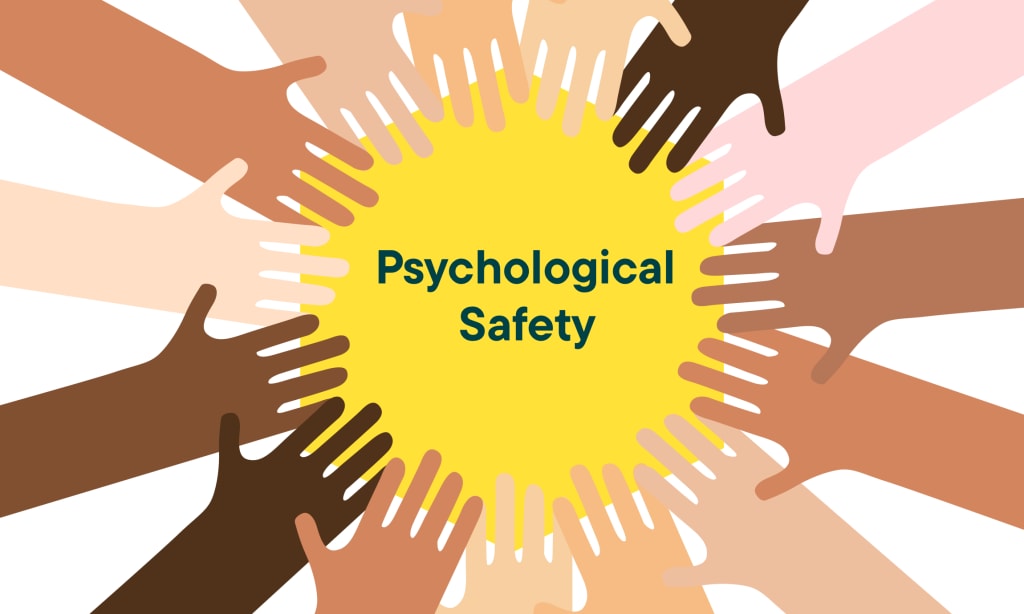
The Journey to Psychological Safety:
Chapter 1: The Early Struggles
Rose Rodriguez, a talented marketing professional, landed her dream job at a fast-paced tech startup. Initially excited, Rose soon felt the weight of unspoken pressure. The competitive environment and discouraging remarks from colleagues left her apprehensive about sharing her ideas. Her fear of making mistakes led her to meticulously craft presentations and emails while holding back creative ideas.
Chapter 2: A Turning Point
The company’s new Director of Operations, Michael, joined the team and quickly became known for his supportive leadership. Michael’s approach to team interactions—listening attentively and valuing input—caught Rose’s attention. He noticed her quiet demeanor and invited her to a one-on-one meeting. Michael encouraged Rose to share her thoughts and reassured her that mistakes were part of the learning process. His support made a lasting impact on Rose.
Chapter 3: Building a Safe Space
Inspired by Michael, Rose began to participate more actively in meetings and share her ideas. To her surprise, her contributions were met with enthusiasm and constructive feedback. The team’s culture began to shift as Michael implemented regular feedback sessions and encouraged learning from mistakes. The environment transformed from competitive to collaborative, leading to more innovative ideas and solutions.
Chapter 4: The Ripple Effect
The positive changes in team dynamics led to increased creativity and productivity. Projects that once seemed daunting were tackled with enthusiasm and collaboration. Rose’s growth mirrored the team’s success, and she evolved into a confident leader. She took on new responsibilities, mentored peers, and advocated for psychological safety within the organization.
Chapter 5: A Legacy of Safety
Years later, Rose looked back with pride at her career. The startup had grown into a renowned company known for its innovative solutions and exceptional team culture. Rose’s story became a source of inspiration, highlighting the transformative power of psychological safety. She shared her experiences through workshops and seminars, emphasizing the importance of creating environments where individuals feel safe to express themselves and take risks.
Lessons Learned from Rose’s Journey to Psychological Safety
1. The Importance of Supportive Leadership: Leaders who foster psychological safety have a profound impact on team dynamics. Those who listen, encourage open communication, and model vulnerability create environments where team members feel valued and supported.
2. Creating a Safe Space for Ideas: Viewing mistakes as learning opportunities rather than failures fosters creativity and innovation. Embracing errors as part of the learning process drives continuous improvement and personal growth.
3. Building Trust Through Openness: Trust is essential for psychological safety. Openness and respect enhance collaboration and strengthen team relationships.
4. Encouraging Active Participation: When individuals feel safe to share ideas and feedback without fear of criticism, they contribute more meaningfully, leading to richer discussions and diverse perspectives.
5. Implementing Feedback Mechanisms: Regular feedback sessions and constructive communication help maintain a culture of psychological safety, encouraging ongoing dialogue and improvement.
6. Modeling Desired Behaviors: Leaders shape team culture by modeling behaviors such as openness, vulnerability, and respect, setting the tone for the organization.
7. Encouraging Growth and Development: Supporting personal and professional growth in a safe environment helps individuals reach their full potential and fosters learning and development.
8. Transforming Challenges into Opportunities: Viewing challenges as opportunities promotes resilience and adaptability, leading to more innovative problem-solving.
9. Prioritizing Psychological Safety for Long-Term Success: Investing in psychological safety results in long-term benefits, including increased creativity, productivity, and overall success.
10. Legacy of Psychological Safety: Creating a culture of safety has a lasting positive impact on an organization’s reputation and success, inspiring others to adopt similar practices.
About the Creator
Reader insights
Outstanding
Excellent work. Looking forward to reading more!
Top insights
Compelling and original writing
Creative use of language & vocab
Easy to read and follow
Well-structured & engaging content
Excellent storytelling
Original narrative & well developed characters
Keep reading
More stories from Jason “Jay” Benskin and writers in Journal and other communities.
The goals I did not achieve
Every writing goal I made for the year is a wash. It has been this way for a while, but I think it's important to be open about my failures and the reality of how life can get in the way. This is especially true considering the several times I have posted on Vocal about my writing goals, how I was changing my approach, and where I was hoping to be for the upcoming year. I will probably do that again in a couple months, but for now, it is time to acknowledge where I am today.
By Kay Husnick23 days ago in Journal



Comments (2)
What a great article and we all need to feel safe in this way or we cannot really function to our full potentials.
That's great. I was impressed by your writing. I am happy to see such a topic. Please come to my blog and read it. https://www.my-labcorp.com