
Corrugated Box Manufacturing Plant Setup Cost, Machinery, and Business Plan 2025
Setting up a corrugated box manufacturing plant in 2025 presents a profitable business opportunity driven by the booming e-commerce, logistics, and packaging industries.

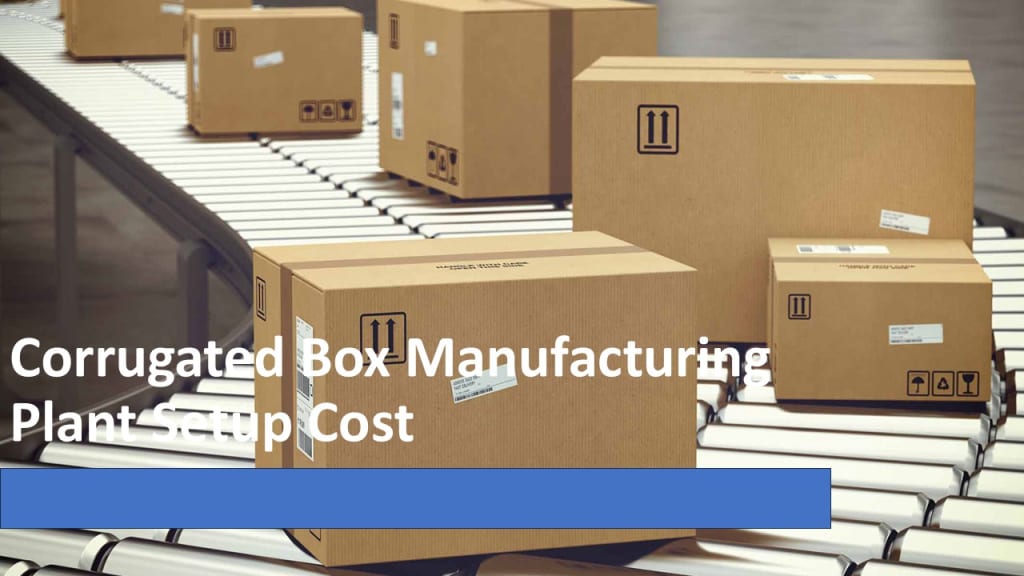
The corrugated packaging industry is one of the fastest-growing sectors in the packaging ecosystem, driven by the expansion of e-commerce, logistics, agriculture, and consumer goods. Corrugated boxes remain a preferred solution for protective, cost-effective, and recyclable packaging. For entrepreneurs and manufacturers entering this market, understanding the corrugated box manufacturing cost breakdown is essential to ensure pricing accuracy, cost control, and long-term profitability.
This article outlines the key components of the total manufacturing cost, including machinery cost, operational expenses, and the overall corrugated box manufacturing plant cost.
Overview of Corrugated Box Manufacturing
Corrugated boxes are made from corrugated paperboard, which consists of a fluted (wavy) inner layer sandwiched between two flat linerboards. The production process includes raw material preparation, board conversion, printing, cutting, folding, and gluing to form finished boxes.
Boxes are categorized based on board type (single-wall, double-wall), flute size (A, B, C, E, F), and the intended use (shipping cartons, display boxes, etc.). Manufacturing facilities can range from small-scale semi-automatic units to large-scale fully automated plants.
Corrugated Box Manufacturing Plant Cost
Setting up a corrugated box manufacturing plant involves both fixed and variable expenses. The plant cost includes:
• Land and Building: Acquiring land or leasing industrial space, followed by construction of production, storage, and administrative areas.
• Machinery Installation: Procurement, setup, and testing of production equipment.
• Utility Setup: Installation of electricity, water connections, ventilation, and safety systems.
• Furniture and Fixtures: Office setup, workstations, shelving, and storage units.
• Pre-operating Expenses: Legal fees, consulting charges, project planning, and initial staff training.
The plant size and level of automation influence the total cost significantly. A compact plant focused on local supply will have lower setup costs compared to a high-capacity, export-oriented unit.
Machinery Cost in Corrugated Box Manufacturing
Machinery cost forms a critical component of the capital investment. Equipment selection depends on production capacity, box specifications, and desired automation level.
Key machinery includes:
1. Corrugation Machine
• Converts kraft paper into fluted board using heat, steam, and pressure.
• Available in single-face, double-face, and high-speed automatic variants.
2. Sheet Cutter
• Cuts corrugated board into sheets of desired dimensions.
3. Printing Machine
• Flexographic or offset printers used for branding, barcodes, and product details on the box surface.
4. Slotting and Creasing Machine
• Makes slots, grooves, and fold lines to shape the box.
5. Die-Cutting Machine
• For customized box shapes or window cuts, especially in display packaging.
6. Pasting and Stitching Machines
• For sealing box flaps using adhesive or metal stitching.
7. Bundling and Strapping Machine
• For packaging and stacking finished boxes efficiently.
Automation can reduce labor costs but may require higher initial investment. Machinery suppliers often offer complete production lines suited to small, medium, or large-scale operations.
Raw Material Costs
The most significant recurring cost in corrugated box manufacturing is raw material procurement.
Key materials include:
• Kraft Paper: Used for liners and fluting. Sourced locally or imported based on quality and pricing.
• Adhesives: Used for bonding the layers of board. Cost depends on volume and formulation.
• Ink and Printing Chemicals: For custom branding, logos, and text.
• Stitching Wire or Tape: For manual or semi-automatic assembly.
Fluctuations in kraft paper prices directly affect the total production cost, so manufacturers often work with multiple suppliers or enter long-term contracts.
Labor and Staffing Costs
Labor requirements vary depending on the plant’s automation level. Even automated plants require skilled operators and quality control staff.
Typical roles include:
• Machine operators and technicians
• Quality inspectors
• Material handlers and packers
• Supervisors and production managers
• Administrative and sales personnel
Wages, statutory benefits, training, and safety compliance form part of the labor cost structure. Efficient workforce management directly impacts production speed and product consistency.
Utility and Operating Expenses
Day-to-day operations incur regular overheads. These must be factored into pricing and profitability calculations.
Typical utility and operational costs include:
• Electricity: Powers machines, lighting, and ventilation. Corrugators and die-cutters are energy-intensive.
• Water: Used for cleaning and adhesive preparation.
• Compressed Air: Needed for some machines.
• Maintenance: Routine servicing, spare parts, and downtime mitigation.
• Packaging: Straps, shrink wrap, pallets for shipping finished goods.
• Waste Disposal: Recycling or removal of kraft paper and production waste.
Energy-efficient machinery and preventive maintenance help reduce long-term operating costs.
Quality Control and Testing Costs
To meet client expectations and regulatory standards, corrugated boxes must undergo quality checks. These costs cover:
• Bursting strength and compression testing machines
• Moisture content testers
• Calipers and measuring tools for dimension accuracy
• Periodic audits and certifications (ISO, FSC, etc.)
Consistent product quality strengthens client trust and reduces returns or rejections.
Logistics and Distribution Costs
Finished boxes are lightweight but bulky, requiring careful logistics planning.
Key cost factors include:
• Transportation: Delivery to clients or warehouses. Fuel and handling charges vary by location.
• Storage: Finished goods inventory may require additional warehousing.
• Dispatch and Loading Labor: Manual or mechanical loading and unloading.
Partnering with efficient logistics providers and optimizing delivery routes can help reduce this cost.
Marketing and Business Development Expenses
To grow the business and secure contracts, marketing and business outreach are essential. Expenses may include:
• Website development and online presence
• Product samples and printed catalogs
• Trade shows and industry expos
• Sales team salaries and travel
• Client relationship management software and CRM systems
These costs should be seen as long-term investments in building a brand and customer base.
Waste Management and Environmental Compliance
Corrugated box manufacturing generates paper dust, trimming waste, and adhesive residues. Manufacturers must comply with environmental norms regarding air quality and waste disposal.
Typical costs here include:
• Dust extraction systems
• Waste segregation and recycling units
• Environmental audits and regulatory fees
Sustainable practices not only reduce waste disposal costs but also appeal to eco-conscious clients.
A Viable Manufacturing Opportunity with Proper Cost Planning
Understanding the corrugated box manufacturing cost breakdown, including machinery cost and plant setup cost, enables entrepreneurs and manufacturers to make informed decisions. A well-planned operation can scale efficiently and meet diverse customer demands—from small retailers to large e-commerce companies.
Cost optimization, quality control, and market alignment are key to success in this sector. By investing in the right equipment, sourcing materials wisely, and maintaining operational discipline, manufacturers can build a profitable and resilient corrugated packaging business.
About the Creator
Andrew Sullivan
Hello, I’m Andrew Sullivan. I have over 9+ years of experience as a market research specialist.
Keep reading
More stories from Andrew Sullivan and writers in Journal and other communities.
Stainless Steel Market Growth to 2033: Infrastructure and Renewable Energy Trends Driving Global Demand
Market Size & Growth Market Size (2024): USD 163.7 Billion Projected Market Size (2033): USD 261.5 Billion Compound Annual Growth Rate (CAGR) (2025-2033): 5.08%
By Andrew Sullivan6 months ago in Journal
What to Expect During an On-Site Accreditation Survey
Introduction An on-site accreditation survey is a critical milestone for healthcare and behavioral health organizations seeking formal recognition of quality and compliance standards. These surveys evaluate whether an organization meets established accreditation requirements related to safety, governance, clinical care, and operational practices. While the process can feel intimidating, understanding what to expect helps reduce anxiety and supports successful outcomes. Proper preparation and awareness of survey activities enable organizations to demonstrate their commitment to quality, compliance, and continuous improvement.
By Abdul Mueed4 days ago in Journal




Comments
There are no comments for this story
Be the first to respond and start the conversation.