
Man Who Assassinated Former Japan Leader Shinzo Abe With Homemade Gun Sentenced to Life in Prison
A landmark verdict closes one of Japan’s most shocking criminal cases, prompting renewed debate over security, gun control, and political violence.

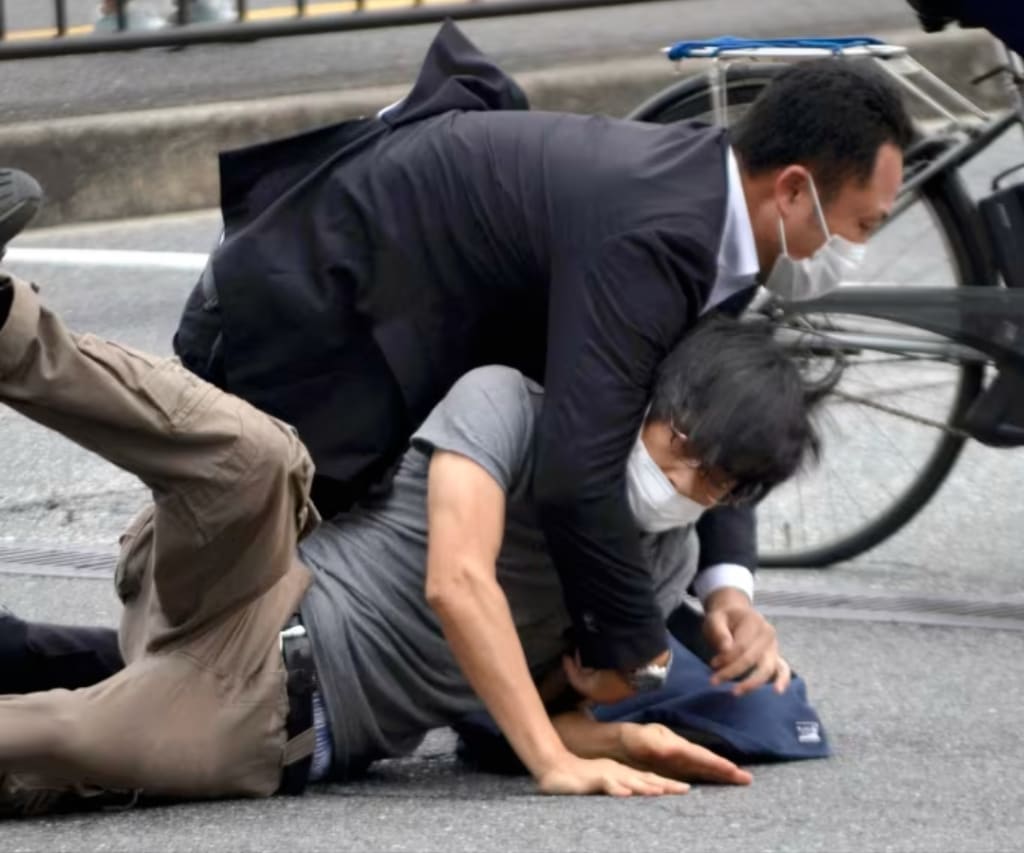
A Japanese court has sentenced the man who assassinated former Prime Minister Shinzo Abe with a homemade firearm to life in prison, bringing a formal close to one of the most traumatic episodes in modern Japanese history. The ruling marks a significant moment for a country known for its strict gun laws, low violent crime rates, and deep respect for political stability.
Shinzo Abe, Japan’s longest-serving prime minister, was fatally shot during a campaign speech, an event that stunned the nation and reverberated across the world. The attack not only claimed the life of a dominant political figure but also shattered long-held assumptions about public safety in Japan.
The Attack That Shocked Japan
The assassination occurred while Abe was delivering a speech at an outdoor campaign event. The attacker approached from behind and fired a crude, homemade gun, striking Abe and causing fatal injuries. Despite immediate medical attention, Abe was pronounced dead shortly afterward.
Images and videos of the incident spread rapidly, leaving the public in disbelief. Political leaders, citizens, and international figures expressed shock that such violence could occur in Japan, where firearms are heavily restricted and political events are generally considered safe.
The Homemade Weapon
Central to the case was the weapon itself—a homemade gun constructed from readily available materials. Investigators revealed that the attacker spent months planning the device, using online information and basic tools to assemble a firearm capable of lethal force.
The use of a homemade gun exposed a troubling vulnerability: even in countries with the strictest gun control laws, determined individuals can exploit loopholes using improvised weapons. This aspect of the case has fueled ongoing discussions about how authorities can detect and prevent such threats without infringing on civil liberties.
Court Proceedings and Verdict
During the trial, prosecutors laid out a detailed account of the planning, execution, and aftermath of the assassination. They argued that the act was deliberate, calculated, and driven by deep personal grievances rather than political ideology alone.
The defense acknowledged the killing but emphasized the defendant’s mental state and personal history, urging the court to consider mitigating factors. After reviewing extensive evidence and testimony, the court rejected leniency and imposed a life sentence, citing the gravity of the crime and its impact on society.
In delivering the verdict, the court underscored that the assassination struck at the heart of democratic processes and public trust.
Motive and Public Debate
The attacker reportedly harbored resentment linked to personal circumstances and beliefs, rather than opposition to Abe’s policies alone. This revelation complicated public understanding of the crime, shifting the focus from political extremism to broader social and psychological issues.
Experts have since called for stronger mental health support systems and earlier intervention mechanisms to identify individuals at risk of committing violent acts. The case has become a reference point in discussions about isolation, radicalization, and the unintended consequences of social marginalization.
Impact on Political Security
The assassination prompted an immediate reassessment of security arrangements for politicians in Japan. Campaign events, traditionally open and informal, have since been accompanied by heightened security measures, including increased police presence and physical barriers.
While many citizens understand the need for stronger protection, others worry that excessive security could distance politicians from the public, altering the character of Japan’s democratic culture.
Global Reactions and Legacy
International reaction to the sentencing has been one of solemn reflection. Leaders around the world reiterated their condolences to Abe’s family and acknowledged his influence on global diplomacy, particularly in strengthening alliances and shaping regional security strategies.
Abe’s legacy remains complex. Admired by supporters for his economic reforms and assertive foreign policy, and criticized by opponents for his nationalist positions, he remains one of the most consequential figures in Japan’s postwar history.
Lessons for a Low-Crime Society
Perhaps the most enduring impact of the case is the sobering reminder that no society is immune to political violence. Japan’s low crime rates and strict laws provided a sense of security that was deeply shaken by the assassination.
The life sentence signals the judiciary’s firm stance against such acts, but it also leaves policymakers with difficult questions: how to prevent lone-actor violence, how to balance openness with security, and how to address the underlying social issues that can lead to tragedy.
Moving Forward
As the legal process concludes, Japan continues to mourn Shinzo Abe while grappling with the broader implications of his death. The sentencing offers a measure of closure, but it cannot undo the loss or fully heal the national shock.
What it can do, however, is serve as a catalyst for reflection and reform. The case stands as a stark warning—and a call to vigilance—for Japan and the world, underscoring the fragile line between stability and violence even in the most peaceful societies.
About the Creator
Asad Ali
I'm Asad Ali, a passionate blogger with 3 years of experience creating engaging and informative content across various niches. I specialize in crafting SEO-friendly articles that drive traffic and deliver value to readers.
Author’s Advice
If you would’ve asked me 20 years ago did I know I’d become a writer and an author, I would’ve said “nope, ain’t happening”. As fate would have it I did become an author and I can honestly say I’m loving it so far. It really does feel good to be a writer. I’ve learned a lot on this journey and I feel like with even me being as new to this world as I am, there’s some wisdom I need to share with every other aspiring author.
By Joe Patterson5 days ago in Journal
Athletic Footwear Industry Is Racing Toward $269 Bn
The pavement is still cool from the morning air. A runner tightens their laces, taps their smartwatch, and begins the first stride of the day. Each step feels lighter, faster, more responsive — thanks to years of innovation packed into a single pair of shoes.
By Harvey Specter5 days ago in Journal




Comments
There are no comments for this story
Be the first to respond and start the conversation.