
Common Mistakes to Avoid When Using Hand Pallet Wrap
maxpack
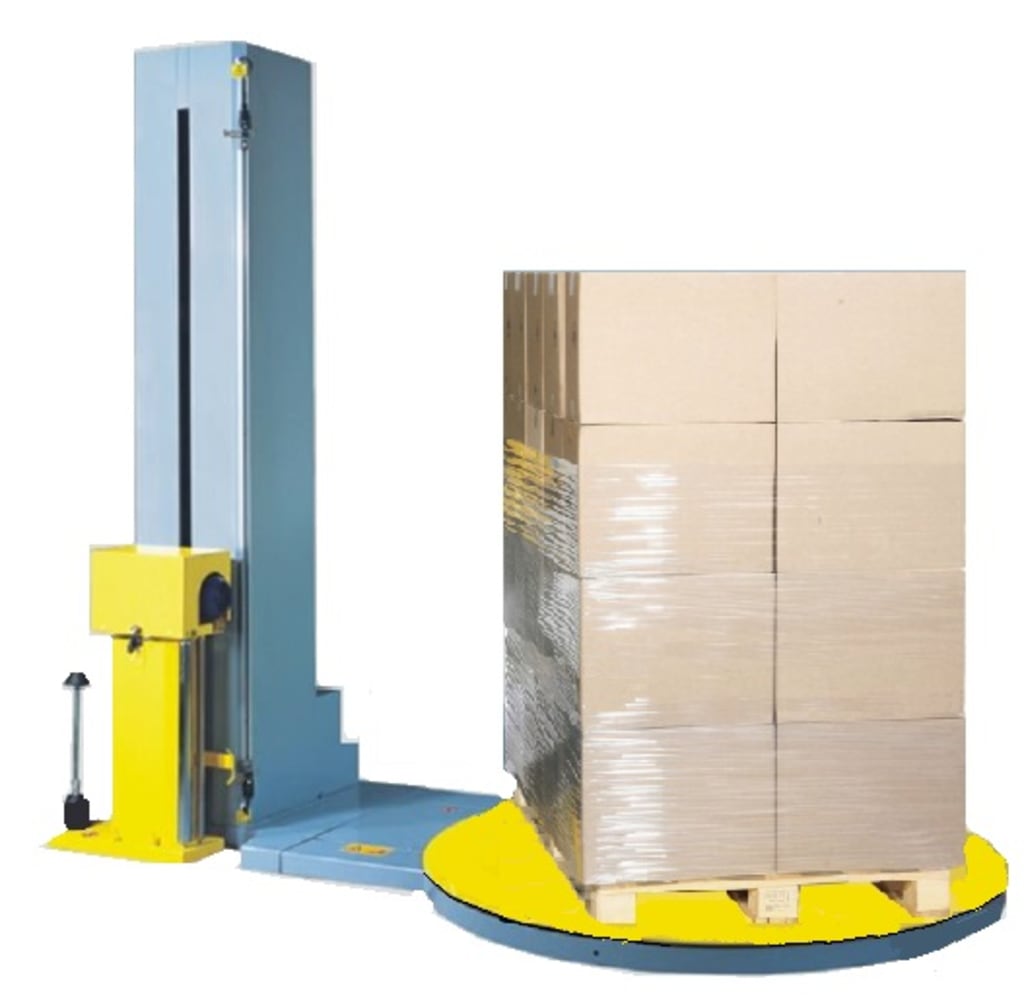
Hand pallet wrapping is a popular and cost-effective method for securing loads on pallets. It is widely used in industries where automation is either unnecessary or impractical. However, despite its simplicity, many businesses make common mistakes when using hand pallet wrap, leading to increased costs, damaged goods, and unsafe conditions.
In this article, we’ll explore the most frequent mistakes made during hand pallet wrapping and provide useful tips on how to avoid them for more effective and secure pallet loads.
1. Using the Wrong Type of Pallet Wrap
Not all pallet wrap is created equal. One of the most common mistakes is using the wrong type of wrap for the load. Different pallet wrap films have varying levels of thickness and elasticity, making them suitable for specific applications. For example, using thin hand wrap on a heavy load may lead to insufficient containment, while using thick film on a light load can be wasteful and difficult to work with.
How to Avoid This Mistake:
Evaluate your load requirements: Consider factors such as weight, size, and product fragility when choosing the right type of hand pallet wrap.
Use the correct gauge: Heavier loads typically require thicker film, while lighter loads can use thinner wrap.
2. Improper Tensioning of the Wrap
Another common mistake is applying the hand wrap with either too much or too little tension. If the wrap is too tight, it can crush the products or compromise the structural integrity of the load. Conversely, if it is too loose, the load may shift or collapse during transportation.
How to Avoid This Mistake:
Apply consistent tension: Make sure the wrap is tight enough to contain the load but not so tight that it damages the products.
Use tensioning tools: Tools like hand dispensers with adjustable tension settings can help ensure a consistent application every time.
3. Inadequate Overlap Between Layers
When wrapping a pallet, each layer of film should overlap the previous one to create a strong bond. One of the most frequent mistakes is not providing enough overlap between layers, which leads to weak spots and an unstable load. Inconsistent overlapping may cause the wrap to unravel or fail during transit.
How to Avoid This Mistake:
Ensure sufficient overlap: Aim for a 50% overlap between layers to create a strong, stable load.
Check your wrapping technique: Keep the wrap taut and apply it evenly around the entire pallet for optimal coverage.
4. Failing to Secure the Base of the Pallet
Securing the base of the pallet is a crucial step that is often overlooked. If the wrap is not anchored properly to the pallet base, the entire load may become unstable and shift during transport. This can lead to tipping, damaged goods, and even workplace accidents.
How to Avoid This Mistake:
Start at the base: Begin wrapping at the bottom of the pallet, ensuring that the wrap is tightly secured to the pallet and not just the products.
Wrap the base multiple times: For added stability, make several passes around the bottom of the pallet before moving upwards.
5. Wrapping Too High or Too Low
While it may seem intuitive to cover the entire pallet load with wrap, going too high or too low can be problematic. Wrapping too high can make the load top-heavy and unstable, while wrapping too low may leave the products at the bottom of the pallet exposed and unprotected.
How to Avoid This Mistake:
Wrap up to the appropriate height: Only wrap up to the top of the load, ensuring that the products are covered but without excess wrap at the top.
Don’t neglect the bottom layers: Ensure the wrap covers the products all the way to the bottom, but avoid overwrapping the pallet base itself.
6. Not Using Enough Layers of Wrap
One of the most common errors is under wrapping the load. Using too few layers of pallet wrap can lead to inadequate containment and make the load prone to shifting, collapsing, or damage during transit. This is especially true for heavier or irregularly shaped loads.
How to Avoid This Mistake:
Apply multiple layers: Depending on the weight and shape of the load, aim for three to five layers of wrap for optimal containment.
Use more layers on corners: Corners are the most vulnerable parts of the load, so consider applying extra wrap to those areas for added strength.
7. Wrapping in Only One Direction
A common mistake is wrapping the load in just one direction (either horizontally or vertically) without considering the overall stability of the pallet. This practice can leave weak points in the wrap, making it easier for the load to shift or tip over.
How to Avoid This Mistake:
Use a cross-pattern: To ensure maximum containment, wrap the load both vertically and horizontally. This method secures the products more effectively and helps prevent shifting during transit.
8. Skipping a Final Tuck or Seal
At the end of the wrapping process, it’s essential to properly seal or tuck the last bit of wrap to prevent it from coming undone. Many people make the mistake of not securing the end of the wrap, which can result in the entire wrap unraveling.
How to Avoid This Mistake:
Tuck the final piece: Always tuck the final end of the wrap under one of the layers or use tape to secure it firmly.
Inspect the seal: Make sure the final tuck is tight and won’t come loose during transport or storage.
9. Ignoring Load Stability Checks
After wrapping, it’s important to test the stability of the load. Some people skip this step and assume that the wrap is sufficient, only to discover issues during transit when it’s too late. Ignoring load stability checks can result in damaged goods, wasted materials, and even safety hazards.
How to Avoid This Mistake:
Perform a shake test: Gently rock the pallet to check for any shifting or instability. If the load wobbles or moves, add more wrap or secure it further.
Inspect for weak spots: Visually inspect the wrap for any thin areas or gaps that may compromise the stability of the load.
10. Not Training Workers Properly
Proper hand pallet wrapping is a skill that requires some level of training. A common mistake is assuming that workers will instinctively know how to wrap pallets correctly without any formal instruction. This can lead to inconsistent wrapping, wasted materials, and unstable loads.
How to Avoid This Mistake:
Provide proper training: Ensure that all workers handling pallet wrapping are properly trained in the best techniques and use of tools.
Monitor and provide feedback: Regularly observe the wrapping process and provide feedback to improve technique and ensure consistency.
Conclusion
Using hand pallet wrap effectively requires attention to detail, proper technique, and avoiding common mistakes. By selecting the right type of wrap, applying consistent tension, securing the base, and using enough layers, businesses can ensure that their pallet loads are stable, secure, and safe during transport. Training employees on the correct methods and regularly testing load stability are also key to minimizing damage, reducing costs, and improving operational efficiency.
About the Creator
andy
I am a passionate guest blogger who enjoys exploring and writing about a variety of topics. I aim to provide insightful and engaging content that resonates with readers.
Why Ancient Goldsmithing Still Outperforms Modern Machines
In an age defined by automation and digital precision, it is easy to assume that machines have replaced traditional craftsmanship in nearly every industry. Jewellery, however, tells a different story. While 3D printers and computer-guided tools dominate headlines, one of the oldest techniques in metalworking continues to hold its ground: the lost-wax casting method.
By Md Mehedi Hasan Rifada day ago in Journal
Cassie and Johnny
I’m the kind of dame you notice. I’m no femme fatale, but you can’t ignore me, at least not until I warn you about what’s coming, then everybody ignores me. Hell, they usually blame me afterwards and give Johnny all the credit for saving the day, but my Johnny couldn’t save a seat at the movies without my help. Sure, he’s brawny, but brainy? Not so much. Like that time I asked him to spot me five bucks, and he said he didn’t see it anywhere on me, and believe you me, he looked but good.
By Harper Lewis6 days ago in Critique


Comments
There are no comments for this story
Be the first to respond and start the conversation.