
Tint Shades Finding the Right Shade to Complement Your Car’s Look
thetintteam
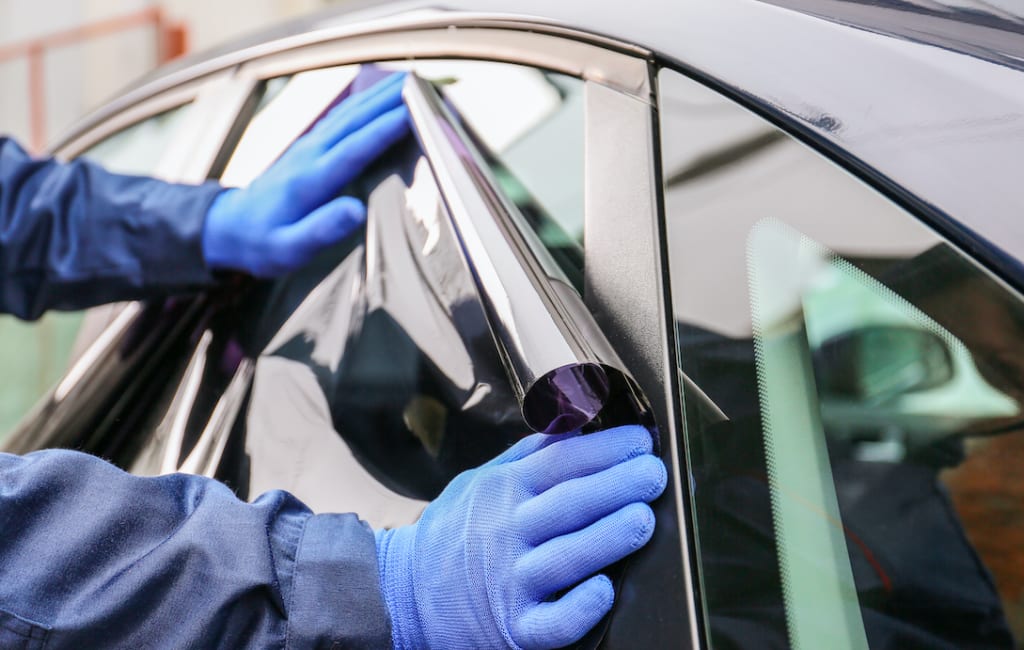
When it comes to car window tinting, choosing the right shade is more than just a matter of aesthetics. It plays a crucial role in protecting your vehicle's interior, improving privacy, and enhancing comfort while driving. With a wide variety of tint shades available, it can be challenging to select the perfect one that balances functionality and style. In this guide, we will walk you through the various factors to consider when selecting the ideal tint shade for your car.
Understanding Window Tint Options
Before diving into the decision-making process, it's essential to understand the different types of window tints available. The most common types include dyed tint, metalized tint, ceramic tint, and carbon tint.
Dyed Tint: This type of tint is created by placing a layer of dye between the adhesive layer and the protective top coating. It absorbs heat and blocks out light, giving your car a sleek appearance. However, it may fade over time.
Metalized Tint: With metal particles embedded in the film, metalized tint reflects heat and UV rays effectively. It is highly durable but can interfere with electronic signals, such as GPS and cell phone reception.
Ceramic Tint: Known for its premium quality, ceramic tint blocks both heat and UV rays without compromising visibility or signal transmission. It is more expensive but offers superior performance and longevity.
Carbon Tint: Carbon tint contains carbon particles that block infrared light, keeping your car cool and energy-efficient. It is also fade-resistant and provides a matte finish, adding a sophisticated look to your vehicle.
Legal Considerations for Car Tinting
One of the most important aspects to keep in mind when selecting a window tint is local laws and regulations. Tint laws vary from state to state and country to country, so it’s crucial to ensure that the shade you choose complies with legal limits. The laws typically dictate the Visible Light Transmission (VLT) percentage, which refers to the amount of light that can pass through the windows.
For instance, a 35% VLT means that 35% of the light can pass through, and the remaining 65% is blocked. Depending on your location, certain windows, such as the front windshield, may have more stringent requirements, while the rear windows might allow for darker tints. To avoid legal trouble and costly fines, always verify the VLT limits for your area before making a decision.
Balancing Aesthetics with Functionality
When choosing the right tint shade, it’s important to strike the right balance between appearance and functionality. Here are a few factors to consider:
1. Matching Your Car’s Exterior Color
The tint shade you select should complement your car’s paint color. Darker tints typically look great on cars with bold colors like black, navy, or red, adding a sense of mystery and luxury. On the other hand, lighter tints can enhance the look of silver, white, or pastel-colored cars, giving them a sleek and modern appearance.
2. Interior Protection
One of the primary reasons for tinting car windows is to protect the interior from UV damage. Prolonged exposure to the sun’s rays can cause fading and cracking of your upholstery, dashboard, and other interior elements. Opting for a ceramic or carbon tint with high UV blocking capabilities can help preserve the interior while also ensuring comfort during hot weather.
3. Privacy and Security
Darker tints provide better privacy, as they make it difficult for others to see inside your vehicle. This can be especially important if you frequently leave valuable items in your car or if you prefer a more discreet driving experience. However, be cautious of local regulations that limit how dark your tint can be, particularly for the front windows.
4. Heat Reduction
Tint shades also play a significant role in heat reduction. If you live in a hot climate, a ceramic or metalized tint with a low VLT percentage can help reduce the amount of heat that enters your car, keeping the cabin cooler and reducing the need for excessive air conditioning. This not only improves comfort but can also boost fuel efficiency.
Exploring Tint Percentages
Now that you understand the different types of tint and what factors to consider, let’s explore some of the most popular tint percentages and what they offer:
50% Tint: This is one of the lighter tint options, blocking about 50% of light. It provides moderate UV protection and heat rejection, making it a great choice for drivers who want to retain good visibility while still getting the benefits of tinting.
35% Tint: A balanced choice between light and dark tints, 35% is popular for those seeking a noticeable but not overly dramatic difference in appearance. It offers enhanced privacy and heat rejection without significantly impacting visibility.
20% Tint: This darker tint is often used for rear windows to provide greater privacy and heat reduction. It gives the car a more aggressive look and does a better job at protecting your interior from the sun.
5% Tint (Limo Tint): The darkest option available, limo tint blocks 95% of visible light, offering maximum privacy and UV protection. It is commonly used on limousines and high-end vehicles but may not be legal for everyday use in some areas.
Choosing the Right Tint for Your Driving Habits
Your driving habits and lifestyle should also influence your tint choice. For instance:
Urban Drivers: If you frequently drive in a city with lots of streetlights and traffic, you may want to avoid extremely dark tints, as they can hinder visibility at night.
Long-Distance Commuters: Drivers who spend a lot of time on the highway may benefit from a tint that provides excellent heat rejection, such as a ceramic or metalized tint, to keep the car cool and comfortable during long trips.
Weekend Drivers: If you only drive your car occasionally or for leisure, you might prioritize aesthetics over functionality, choosing a tint that enhances your vehicle’s appearance without worrying too much about heat rejection or UV protection.
Conclusion:
Selecting the Car window tinting is a personal decision that depends on your preferences, driving conditions, and legal requirements. By carefully considering factors such as tint type, VLT percentage, and aesthetic compatibility, you can choose a tint that enhances your vehicle's look while offering practical benefits like UV protection, heat reduction, and privacy.
Whether you opt for a subtle 50% tint or a more dramatic 20% tint, the key is to ensure that your choice complements your car’s design and aligns with your needs as a driver.
About the Creator
andy
I am a passionate guest blogger who enjoys exploring and writing about a variety of topics. I aim to provide insightful and engaging content that resonates with readers.
Advanced Primary Care Management Services: Strengthening Value-Based Primary Care
Primary care practices are facing growing pressure to manage chronic diseases, improve preventive care outcomes, and meet value-based reimbursement requirements. Traditional visit-based care models often leave gaps in follow-up, coordination, and patient engagement. Advanced Primary Care Management Services offer a comprehensive solution by combining structured care coordination, technology integration, and compliance-focused workflows.
By Tracee Jones3 days ago in Journal


Comments
There are no comments for this story
Be the first to respond and start the conversation.