
Common Mistakes People Make After a Car Accident
How rushing, oversharing, and missed documentation can turn a minor crash into a major problem.

Key Takeaways:
- After a car accident, a same-day medical check often helps, even if the injured person doesn’t feel pain at the time.
- Saying fewer words at the scene of the accident is safer than a long explanation.
- Early photos and witness information matter because scenes of accidents are difficult to preserve.
- Future costs can surprise people, especially when therapy is needed or work is missed.
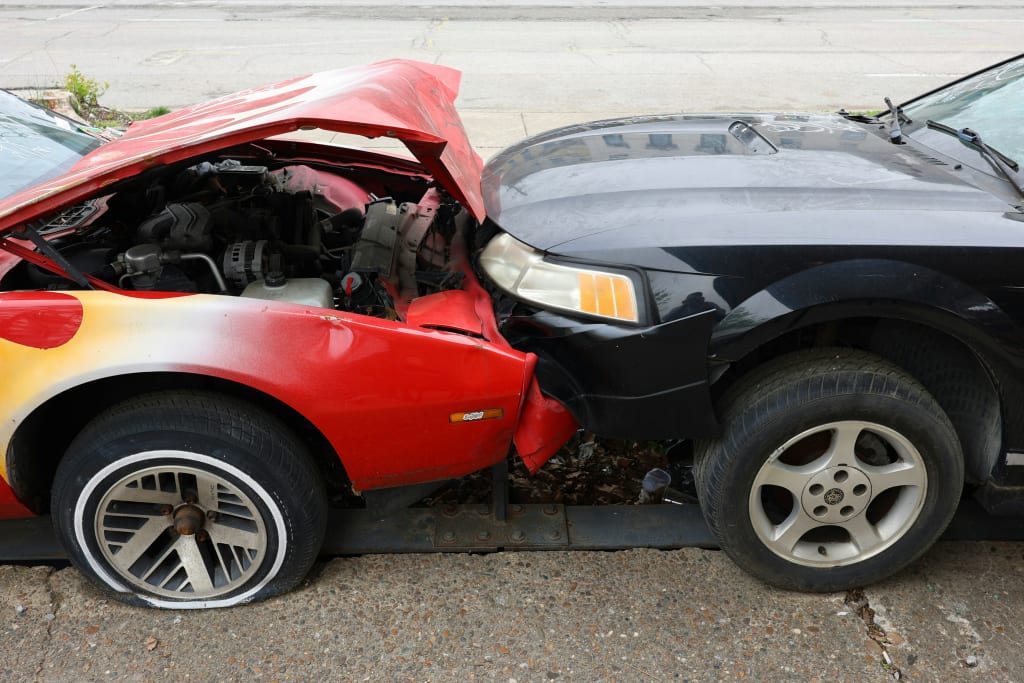
A car taps a bumper at a busy Philadelphia intersection. Then a second hit, harder. Horns blare. Someone shouts, “You okay?” The driver's hands shake. At that moment, it's tempting to wave it off, swap insurance, and get out of everyone's way. That's when mistakes start. After a crash, most people are trying to be polite, quick, and not cause problems.
Unfortunately, injuries and insurance claims don't follow the same schedule. Rushing through the process sloppily can lead to bad outcomes – with long-lasting impacts. A few careful choices in the first hour (and the first week) can protect health, finances, and sanity.
Where People Go Wrong
Skipping Medical Checks – Where Adrenaline Masks Injury
Right after impact, adrenaline can mask pain. They stand up, stretch, and say they're fine. Two days later, the stiffness shows up. Or headaches. Or a sore back that won't quit.
A medical visit isn't about panic. It's about catching issues early and creating a clean record. Soft-tissue injuries and concussions can be subtle at first, and waiting it out sometimes backfires.
Even when someone declines an ambulance at the scene, a prompt follow-up can still be smart. That might be urgent care, a primary provider, or an ER if symptoms escalate. The key is timing, not drama.
Talking Too Freely at the Scene: Recorded Statements, Social Posts
A common instinct is to “smooth things over.” People apologize out of habit. They guess about speed. They fill the silence with theories. It feels human.
It can also be used against them later.
At the scene, less is usually more. Drivers can focus on safety, exchanging required information, and getting help on the way. If police respond, it’s fine to answer basic questions without narrating every detail.
Recorded statements can be another tripwire. An adjuster may call quickly, sounding friendly and efficient. A driver can still say they’re not ready for a detailed statement until they've reviewed facts and gotten medical care.
And social media? It’s a legal landmine in general, but especially if you’re thinking about legal action. A smiling photo at dinner can be framed as proof that nothing hurt. As one claims handler put it, “We’ve watched claims crumble because someone posted #FeelingFine on Instagram an hour after impact.”
Evidence Gone Missing

Crash scenes change fast. Cars get moved. Skid marks fade. Witnesses leave because they're late for work. Dash cams overwrite on a loop. Even nearby businesses may purge camera footage within days.
If it's safe, people who have been in vehicle accidents can document the scene before it disappears. They should try to keep records of:
- Both vehicles, including license plates and damage close-ups
- The wider area (lane markings, signals, signage)
- Road conditions (rain, glare, construction cones, debris)
- Visible injuries (even small bruises or swelling)
Witness info matters, too. Names and phone numbers are gold when stories shift later. A quick voice memo can help someone remember what a witness said, in plain language, while it's still fresh.
Police reports can take time, and errors happen. Someone might spot a wrong intersection name or a swapped license plate number. Catching that early beats trying to fix it months later.
Underestimating Future Costs
Most people think about the obvious crash-related costs first: A tow. A body shop estimate. A rental. Those are real. The future costs are often where people get blindsided.
Follow-up appointments add up. Physical therapy can stretch for weeks, and missed workdays pile up. Some people also deal with anxiety after a crash; this is especially true if it was sudden or violent. That stress can affect sleep, focus, and confidence behind the wheel.
Then there's the car itself. Even after a good repair, a vehicle may be worth less because it now has an accident history. Many drivers don't think about that until trade-in day, when it’s too late, unfortunately.
Here's how it can play out in real life: A delivery driver is rear-ended and just feels sore. They decide to skip follow-up care. Two weeks later, the pain worsens, and they miss work shifts. The insurer questions the gap in treatment, and the driver is left juggling bills while trying to prove what changed.
Small expenses can sneak in, too. Car-seat replacement, ride-share costs to appointments, parking fees, and out-of-pocket meds. None of it feels huge alone. Together, it can sting.
When to Call a Professional
Some claims are straightforward: minor damage, no injuries, clear fault. Others get complicated quickly. The sooner someone recognizes that, the fewer wrong turns they take.
It may be time to talk to a personal injury lawyer for car accidents if:
- Treatment continues beyond a single urgent-care visit.
- Fault is disputed, or the other driver changes their story.
- Multiple vehicles are involved, or there's a commercial driver.
- Someone is pressured to sign a quick settlement or release.
- Work is missed, or job duties become limited.
- The insurer delays, lowballs, or goes quiet.
A legal professional can help people who have been in car accidents to understand:
- Which documents matter
- What deadlines exist
- What evidence should be preserved
- How to navigate legal labyrinths
This doesn't automatically mean a lawsuit. Many situations get resolved through strong documentation and careful negotiation. The point is to avoid guessing.
A Calmer Way to Handle a Stressful Event
Most post-crash mistakes come from the same place, namely, people want it all over with. This is perfectly understandable (especially when one is tired, sore, and emotionally overwhelmed).
Slowing down helps. A timely medical check, fewer statements, solid photos, and organized receipts can keep a bad day from becoming a long, expensive mess. And if the situation starts feeling complicated, getting reliable guidance is a reasonable next step, not a dramatic one.
About the Creator
William Powell
William Powell is a writer and educator with a passion for marketing. He enjoys learning about the latest business trends and analyzing how global events impact domestic and international economies.
Keep reading
More stories from William Powell and writers in Journal and other communities.
Market Trends Shaping Merchant Account Valuations
The value of a merchant account can be affected by many factors. Some of these issues stem from the practices of individual businesses. However, broader market trends also play a significant role. We will now examine some of the key factors that influence merchant account valuations.
By William Powell8 months ago in Journal
Tatt~Master
— Assembly Line Tatt Machine ~ Impressions to Impress — As I begin to understand more about the Tattoo Phenomenon. I've written silly, yet verbatim, dating site anecdotes in 'Frazzled.' So let me ask you: Would you be More attracted to someone slathered with tattoos, or Less?
By Jay Kantor4 days ago in Humor



Comments
There are no comments for this story
Be the first to respond and start the conversation.