
Colors in Life
Colors are present in our lives in many ways


Introduction
Colors are an integral part of our lives. They have the power to evoke emotions, express ideas, and communicate without words. Colors can be found everywhere in our surroundings, from the vibrant hues of a sunset to the soft pastels of a flower garden. Each color has its own unique characteristics, and together they create a diverse and fascinating palette that enriches our lives.
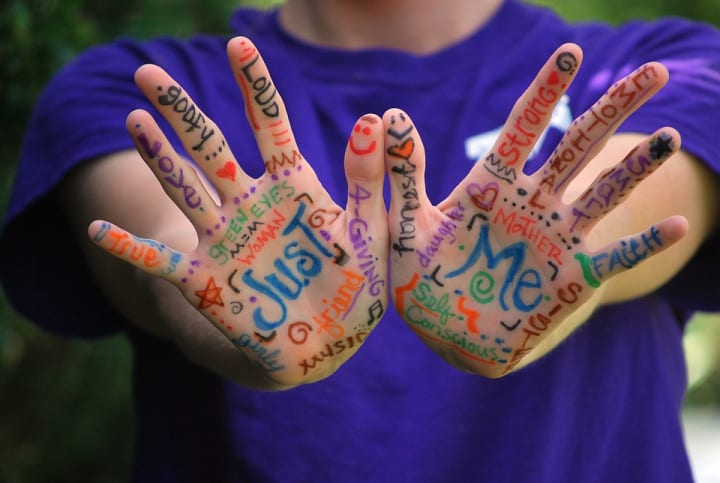
In this article, we will explore the significance of colors in our lives. We will examine how colors can affect our mood, perception, and behavior, and how they are used in art, design, and culture. We will also delve into the science behind colors, including their physical properties, cultural associations, and historical significance.
The Science of Colors

Color is a visual sensation that arises from the interaction between light and our eyes. When light strikes an object, it is absorbed, reflected, or transmitted. The colors we see depend on which wavelengths of light are reflected or transmitted. For example, a red object appears red because it reflects wavelengths of light that we perceive as red, while absorbing other wavelengths.
There are three primary colors of light: red, green, and blue. By combining these colors in different proportions, we can create any other color in the visible spectrum. This is the basis for additive color mixing, which is used in electronic displays such as computer monitors and televisions.
In contrast, there are three primary colors of pigments: cyan, magenta, and yellow. When these colors are mixed together, they absorb different wavelengths of light, resulting in the appearance of other colors. This is known as subtractive color mixing, and it is used in printing and painting.
Beyond these basic principles, the science of colors also involves the study of color perception and its psychological and physiological effects. For example, colors can affect our mood and behavior, which we will explore in more detail later in this article.
The Meaning of Colors
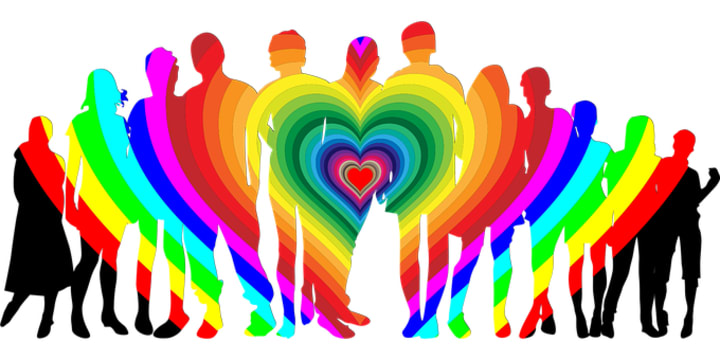
Colors have been used throughout history to convey meaning and symbolism. Different cultures and traditions have assigned different meanings to colors, often based on their associations with natural phenomena, emotions, or historical events.
- Red is a powerful and dynamic color that is associated with energy, passion, and love. In many cultures, red is also associated with good luck and prosperity. In China, for example, red is a traditional color for weddings and other auspicious occasions.
- Blue is a calming and soothing color that is often associated with tranquility, stability, and trust. It is also associated with intelligence and wisdom, which is why blue is a common color for corporate logos and branding.
- Yellow is a bright and cheerful color that is associated with happiness, optimism, and creativity. It is also associated with intellect and knowledge, which is why yellow is often used in educational settings.
- Green is a natural and restful color that is associated with growth, harmony, and balance. It is also associated with health and well-being, which is why green is often used in hospitals and other healthcare settings.
- Purple is a regal and luxurious color that is associated with royalty, power, and spirituality. It is also associated with creativity and imagination, which is why purple is often used in art and design.
- Black is a powerful and mysterious color that is associated with elegance, sophistication, and formality. It is also associated with mourning and sadness, which is why black is often worn at funerals and other solemn occasions.
- White is a pure and clean color that is associated with innocence, simplicity, and clarity. It is also associated with peace and calmness, which is why white is often used in meditation and spiritual practices.
The Psychological Effects of Colors

In addition to their cultural and symbolic associations, colors can also have a profound psychological effect on our mood, perception, and behavior. This is why color psychology has become an increasingly important field in marketing, design, and other industries that rely on visual communication.
- Red, for example, is a stimulating and energizing color that can increase heart rate and blood pressure. It is often used in marketing to create a sense of urgency or excitement. However, too much red can also be overwhelming and agitating, so it is important to use it in moderation.
- Blue, on the other hand, is a calming and soothing color that can reduce stress and anxiety. It is often used in healthcare and wellness settings to create a sense of serenity and relaxation. However, too much blue can also be depressing or cold, so it is important to balance it with other colors.
- Yellow is a cheerful and uplifting color that can boost mood and creativity. It is often used in marketing and advertising to create a sense of optimism and positivity. However, too much yellow can also be overwhelming or irritating, so it is important to use it in moderation.
- Green is a refreshing and rejuvenating color that can promote healing and renewal. It is often used in healthcare and environmental settings to create a sense of wellness and balance. However, too much green can also be bland or uninteresting, so it is important to use it creatively and effectively.
- Purple is a mysterious and imaginative color that can inspire creativity and spirituality. It is often used in art and design to create a sense of luxury and elegance. However, too much purple can also be pretentious or overbearing, so it is important to use it in a tasteful and appropriate manner.
- Black is a powerful and sophisticated color that can convey elegance and authority. It is often used in fashion and luxury branding to create a sense of exclusivity and high-end appeal. However, too much black can also be depressing or oppressive, so it is important to balance it with other colors.
- White is a clean and pure color that can evoke a sense of clarity and simplicity. It is often used in healthcare and technology settings to create a sense of cleanliness and minimalism. However, too much white can also be sterile or impersonal, so it is important to use it with other colors and design elements.
Overall, the psychological effects of colors depend on a variety of factors, including personal preference, cultural context, and individual experience. It is important to use colors in a thoughtful and strategic manner to achieve the desired effect and communicate effectively with your audience.
The Role of Colors in Art and Design
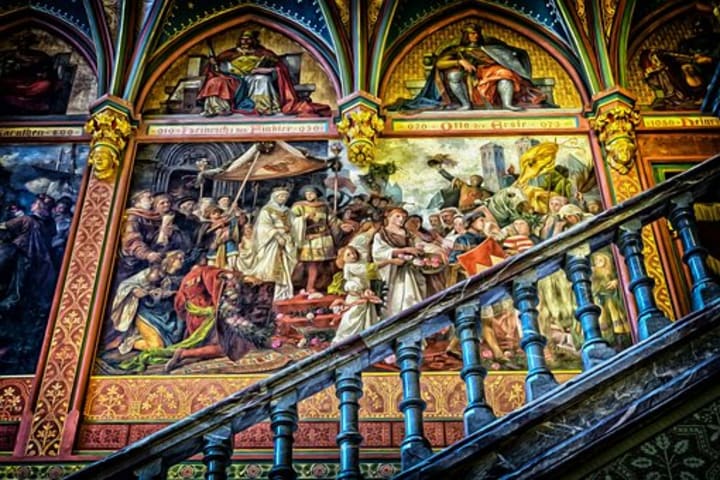
Colors play a crucial role in art and design, both as a means of expression and as a tool for communication. In art, colors are used to convey emotion, mood, and meaning. Artists use color theory and techniques to create harmonious and balanced compositions, or to create tension and contrast for dramatic effect.
In design, colors are used to communicate brand identity, convey information, and create a visual hierarchy. Designers use color psychology and color symbolism to create designs that resonate with their audience and achieve the desired response. They also use color theory to create color schemes and palettes that are visually appealing and effective.
In both art and design, colors can also be used to create depth, texture, and contrast. By using colors that are complementary or contrasting, artists and designers can create a sense of visual interest and complexity that engages the viewer.
The Historical Significance of Colors
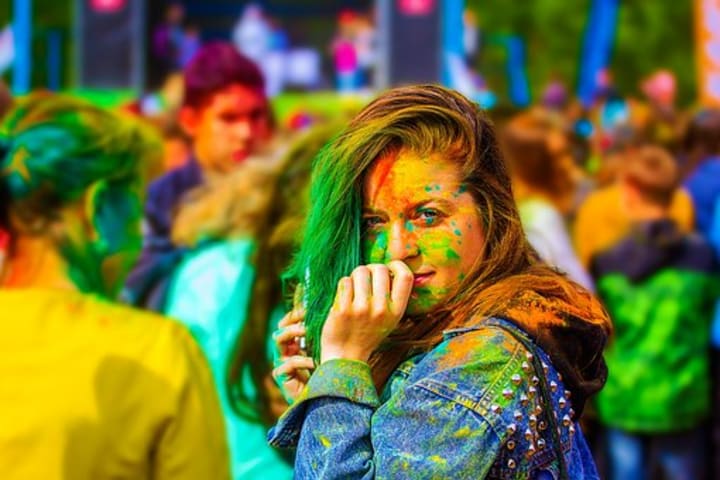
Colors have played an important role in human history and culture for thousands of years. From the pigments used by ancient civilizations to create art and architecture, to the colors used in clothing and fashion throughout history, colors have always been an integral part of human expression and identity.
In ancient civilizations such as Egypt, Greece, and Rome, colors were often associated with mythology and religion. For example, the color blue was associated with the god Horus in ancient Egypt, while the color red was associated with the god Mars in ancient Rome. Colors were also used to represent social status and hierarchy, with certain colors reserved for royalty and nobility.
During the Middle Ages in Europe, colors were used to represent different guilds and professions. The use of certain colors in clothing and accessories was regulated by law, and only certain individuals were permitted to wear certain colors. This system of color coding continued into the Renaissance, when it became even more complex and intricate.
In the modern era, colors continue to play an important role in culture and society. They are used to represent political parties, sports teams, and national flags. They are also used in advertising and marketing to create brand identity and recognition.
The Evolution of Color Technology

The evolution of color technology has played a significant role in the way that colors are used and perceived today. Advances in dyeing and printing technologies have allowed for a wider range of colors and shades to be produced, leading to greater diversity and creativity in art and design.
One of the most significant advances in color technology came with the invention of the color wheel in the 18th century. The color wheel is a circular diagram that organizes colors in a way that allows for the creation of complementary and harmonious color schemes. This tool has become an essential part of color theory and design.
Another major advance in color technology came with the development of color photography in the 19th century. Color photography allowed for the creation of realistic and vivid images in full color, which had a profound impact on the way that colors were perceived and used in art and design.
In the 20th century, advances in color technology continued with the development of new pigments and dyes, as well as the invention of new mediums and tools for creating and manipulating color. Today, digital technology has opened up even more possibilities for color experimentation and exploration, allowing artists and designers to create new and innovative works that push the boundaries of what is possible.
Conclusion
In conclusion, colors play a significant role in our lives, both in terms of personal expression and cultural communication. They are used in art, design, marketing, and many other fields to create emotion, meaning, and visual interest. Understanding the psychology and symbolism of colors can help us to use them more effectively and communicate more clearly with our audience. As technology continues to evolve, we can expect to see even more innovative and exciting uses of color in the years to come.
About the Creator
RS Creation
Search makes a person perfect, and in today's modern technology world, new information is learned through search.
He is created as a man. I am happy to share with you the many information that I have read and learned through my search.
Keep reading
More stories from RS Creation and writers in Journal and other communities.
Agriculture
Agriculture is the practice of cultivating land, raising animals, and producing food, fiber, and other products for human consumption or use. It has been a fundamental part of human civilization for thousands of years and remains a critical industry in many parts of the world today.
By RS Creation 3 years ago in Journal
The Day Filmmaking Became Effortless
A Beginning Without a Camera The idea did not begin on a film set. There were no lights, no crew, no expensive equipment humming in the background. Just a quiet desk, a blank screen, and a single line of imagination waiting to be shaped.
By CEO A&S Developers3 days ago in Journal
Two Grumpy Old Men Solve the Problem
Marty and Steve were two grumpy old men who lived together. They had known each other for years. Marty had been a bachelor all his life. Steve said it was because no one could stand to ever live with. Marty’s standard reply was “Well, you are, so what sort of a moron does that make you!”
By Calvin Londonabout 9 hours ago in Humor


Comments
There are no comments for this story
Be the first to respond and start the conversation.