


Agriculture is the practice of cultivating land, raising animals, and producing food, fiber, and other products for human consumption or use. It has been a fundamental part of human civilization for thousands of years and remains a critical industry in many parts of the world today.
History of Agriculture

The history of agriculture can be traced back to the Neolithic Revolution, which occurred around 12,000 years ago in the Fertile Crescent of the Middle East. During this time, humans transitioned from a nomadic hunter-gatherer lifestyle to a settled agricultural lifestyle. This shift allowed humans to cultivate crops and raise animals, leading to the development of villages and towns.
Over time, agricultural practices spread to other parts of the world, including Europe, Asia, and Africa. Early farming techniques included slash-and-burn agriculture, which involved clearing land by burning vegetation, and irrigation, which involved diverting water from rivers or other sources to crops.
As agricultural technology advanced, farmers began using plows, fertilizers, and other tools to increase crop yields. In the 20th century, the Green Revolution brought new advances in plant breeding, irrigation, and fertilization, leading to dramatic increases in agricultural productivity.
Types of Agriculture
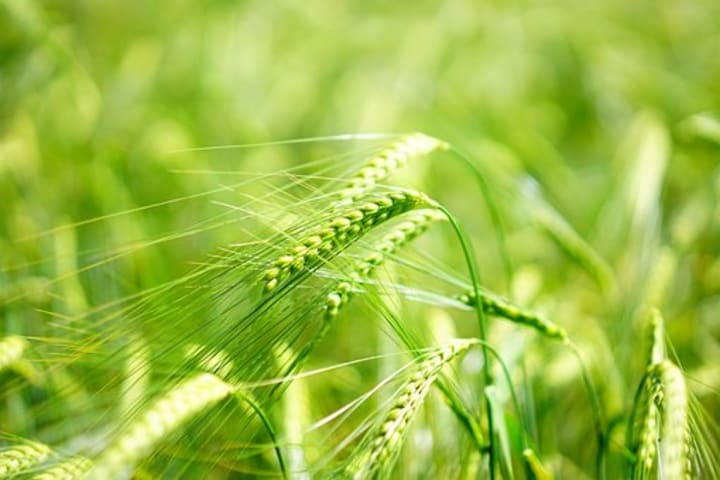
There are many different types of agriculture, each with its own unique practices and challenges. Here are some of the most common types:
1. Subsistence Agriculture: Subsistence agriculture is a type of agriculture where farmers grow crops and raise animals primarily for their own consumption. This type of agriculture is common in developing countries where farmers often have limited access to markets or resources.
2. Commercial Agriculture: Commercial agriculture is a type of agriculture where farmers grow crops or raise animals primarily for sale. This type of agriculture is common in developed countries where there is a large market for agricultural products.
3. Organic Agriculture: Organic agriculture is a type of agriculture that relies on natural methods to grow crops and raise animals. This means avoiding the use of synthetic pesticides and fertilizers and relying on crop rotation and other sustainable practices.
4. Intensive Agriculture: Intensive agriculture is a type of agriculture that involves using high levels of inputs such as fertilizers, pesticides, and water to maximize crop yields. This type of agriculture is often used in developing countries where there is a high demand for food and a need to maximize productivity.
5. Sustainable Agriculture: Sustainable agriculture is a type of agriculture that focuses on maintaining the long-term health of the soil, ecosystems, and local communities. This type of agriculture aims to minimize the use of inputs such as fertilizers and pesticides and relies on crop rotation, cover cropping, and other sustainable practices.
Challenges Facing Agriculture

Despite the many benefits of agriculture, there are also many challenges facing the industry today. Some of the most pressing challenges include:
1. Climate Change: Climate change is one of the biggest challenges facing agriculture today. Rising temperatures, changes in rainfall patterns, and more frequent extreme weather events are all affecting crop yields and agricultural productivity.
2. Soil Health: Soil health is critical for the long-term success of agriculture. However, soil erosion, depletion of nutrients, and soil degradation are all major issues facing farmers today.
3. Water Scarcity: Water scarcity is becoming an increasingly pressing issue in many parts of the world. As demand for water grows, farmers are facing more competition for this vital resource.
4. Pest and Disease Management: Pest and disease management is a constant challenge for farmers. As pests and diseases evolve, farmers must adapt their practices to keep their crops healthy.
5. Food Security: Food security is a major issue in many parts of the world, with millions of people going hungry each day. Improving agricultural productivity and increasing access to markets can help address this issue.
Future of Agriculture
The future of agriculture is likely to be shaped by a range of technological advances and changing environmental conditions. Here are some of the key trends that are likely to shape the future of agriculture:
1. Precision Agriculture: Precision agriculture involves using data and technology to optimize agricultural practices. This can include using drones and sensors to monitor crops, using data analytics to make more informed decisions, and using precision irrigation and fertilization techniques to maximize yields while minimizing waste.
2. Vertical Farming: Vertical farming involves growing crops in stacked layers, often in urban environments. This approach can help conserve space and resources while also reducing the environmental impact of agriculture.
3. Robotics and Automation: Robotics and automation are increasingly being used in agriculture to improve efficiency and productivity. This can include using robots to harvest crops, drones to monitor fields, and autonomous tractors to perform tasks such as planting and fertilizing.
4. Plant-Based Alternatives: As concerns about the environmental impact of animal agriculture grow, more consumers are turning to plant-based alternatives such as meat substitutes and dairy alternatives. This trend is likely to continue, leading to increased demand for plant-based crops such as soy and oats.
5. Climate-Smart Agriculture: Climate-smart agriculture involves practices that reduce greenhouse gas emissions and improve resilience to climate change. This can include using cover crops to improve soil health, planting trees to sequester carbon, and reducing tillage to minimize soil disturbance.
Importance of agriculture
Agriculture is an essential industry that plays a critical role in providing food, fiber, and other products for human consumption and use. Here are some of the key reasons why agriculture is so important:
1. Food Security: Agriculture is responsible for producing the vast majority of the world's food supply. Without agriculture, millions of people would go hungry each day.
2. Economic Development: Agriculture is a key driver of economic development in many parts of the world. It provides employment for millions of people, and generates income and revenue for farmers, rural communities, and countries as a whole.
3. Environmental Sustainability: Agriculture can play a critical role in promoting environmental sustainability. Sustainable farming practices can help conserve natural resources such as soil and water, protect biodiversity, and reduce greenhouse gas emissions.
4. Rural Development: Agriculture is often the backbone of rural communities, providing a vital source of income and employment. By supporting agriculture, we can help promote rural development and reduce poverty in these communities.
5. Cultural Heritage: Agriculture has been a fundamental part of human civilization for thousands of years. It has shaped our cultures, traditions, and way of life, and remains an important part of our heritage today.
In addition to these benefits, agriculture also plays a critical role in addressing many of the world's most pressing challenges, from climate change to food security. By continuing to innovate and invest in agriculture, we can help ensure that it remains a vital industry for generations to come.
Here are some additional points about the importance of agriculture:
- Trade and Globalization: Agriculture is a key driver of global trade, with many countries relying on agricultural exports as a major source of income. This can help promote economic growth and development, but can also create challenges such as market volatility and unequal distribution of benefits.
- Innovation and Technology: Agriculture has always been an innovative industry, with farmers and researchers developing new techniques and technologies to improve yields, efficiency, and sustainability. Continued investment in agricultural innovation is critical to addressing the challenges facing the industry today and in the future.
- Health and Nutrition: Agriculture plays a critical role in promoting health and nutrition, both through the production of nutritious foods and through the economic and social benefits it provides. By supporting agriculture, we can help ensure that everyone has access to healthy, affordable food.
- Ecosystem Services: Agriculture can provide a range of ecosystem services, including pollination, carbon sequestration, and soil fertility. These services are essential for maintaining the health and productivity of our natural systems and have important implications for human well-being.
- Resilience and Adaptation: Agriculture is facing a range of challenges, from climate change to water scarcity, that requires farmers and researchers to be adaptable and resilient. By continuing to invest in agricultural research and development, we can help build the capacity of the industry to respond to these challenges and ensure that agriculture remains a vital part of our society and economy.
Conclusion
Agriculture is a critical industry that has shaped human civilization for thousands of years. While there are many challenges facing the industry today, from climate change to water scarcity, new technologies and approaches are emerging that hold promise for the future. By continuing to innovate and adapt, farmers and researchers can help ensure that agriculture remains a vital part of our economy and society for generations to come.
About the Creator
RS Creation
Search makes a person perfect, and in today's modern technology world, new information is learned through search.
He is created as a man. I am happy to share with you the many information that I have read and learned through my search.
Keep reading
More stories from RS Creation and writers in Journal and other communities.
Success
Introduction Success can be defined in many different ways, and what constitutes success will vary from person to person. Some may consider success to be having a lot of money, while others may define it as achieving a specific goal or fulfilling a particular purpose. Regardless of how you define success, there are certain characteristics and traits that successful people share. In this article, we will explore those characteristics and discuss how they can help you achieve success.
By RS Creation 3 years ago in Journal
Unofficial Challenge: Black History Celebration
Forward: February 28th, 10:53 PM, EST... The final hour of Black History Month, 2026. Hello fellow writers. I've had this challenge waiting in my drafts for most of the month. But I held off on publishing it, until now.
By Sam Spinelli4 days ago in Writers




Comments
There are no comments for this story
Be the first to respond and start the conversation.