
🪙 Coin Shops Are Drowning in Precious Metals
How Price Volatility and Bottlenecks Turned Dealers Into Holders — and What It Means for Buyers, Sellers, and the Supply Chain
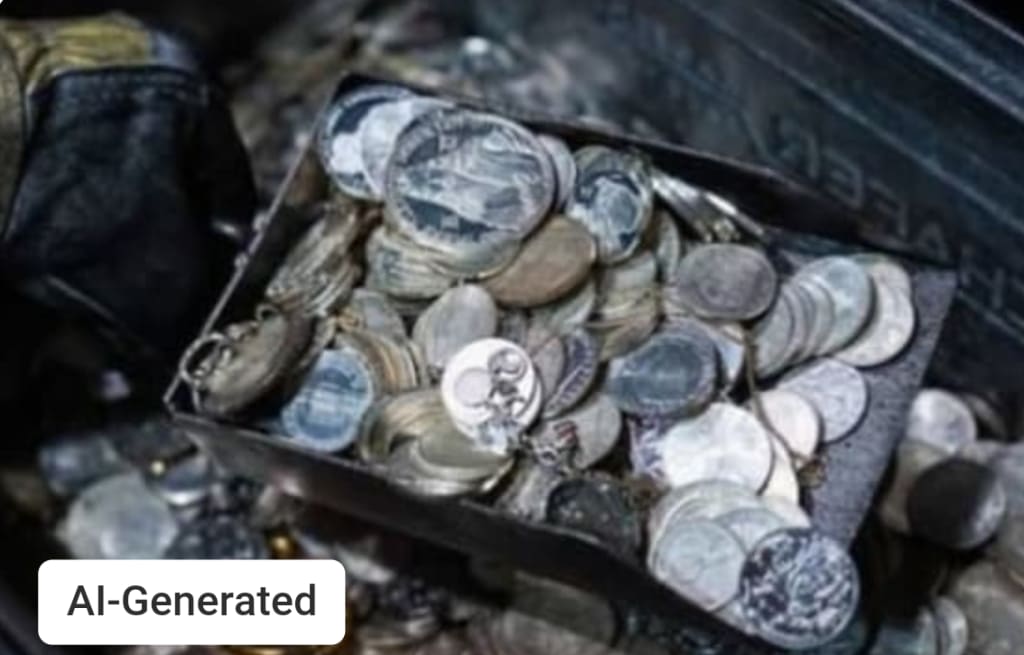
In early 2026, something unusual began happening in local coin shops across the United States: instead of being short on gold and silver, dealers suddenly found themselves swimming in it. Throughout the normal flow of precious metals — from individual sellers to dealers to refiners and back into the market — one link broke, and the business dynamics changed almost overnight. What looks like a collection of small shops suddenly holding too much inventory is actually a symptom of deeper price volatility and market bottlenecks. To understand what’s going on, we need to break down how the system works, why it’s overwhelmed right now, and what all this means for anyone interested in precious metals or collecting coins.
The Normal Cycle: How Precious Metals Flow Through the System
To the average person, a coin shop may seem like a simple place where people buy and sell gold and silver coins. In reality, these shops are the middlemen in a much bigger system.
Here’s how it normally works:
Individuals bring gold and silver — old coins, scrap jewelry, bullion bars — to the dealer to sell when prices are high or they want cash.
Dealers buy the metals and categorize them, often paying sellers based on spot prices for gold and silver.
Dealers sell some inventory to other buyers — investors, collectors, or people looking for physical metals.
Bulk inventory and scrap go to refineries, which melt and refine the metals so they can be reused in bullion or industrial products.
This keeps a balance. Shops aren’t meant to hold massive amounts of metal indefinitely — they are conduits to move it through the market.
What Changed in 2026: Big Price Swings and Sudden Selling
In early 2026, prices for gold and silver experienced sharp spikes, reaching record or near‑record levels. When precious metals surge in value, everyday holders — not just big investors — often see an opportunity to cash in.
People pulled out old coins and jewelry they had forgotten about.
Hobbyist holders sold off parts of their collections.
Even casual savers decided to liquidate because the prices looked “too good to miss.”
The result? A massive increase in people bringing gold and silver to coin shops.
Normally this would be manageable — dealers buy and sell regularly, and excess is moved to refiners. But something else happened at the same time…
The Bottleneck: Refineries Can’t Keep Up
Refineries — the businesses that refine and recycle precious metals — have limited capacity and work on contract schedules. When coin shops suddenly have much more metal than usual, refiners can become overwhelmed. In early 2026, many refineries:
Reached full capacity due to the sudden surge in metal.
Paused or slowed down buying from dealers because their processing lines were backed up.
Delayed refining orders because of supply chain delays and labor constraints.
This created a critical bottleneck: the metal couldn’t move out of the coin shops fast enough. Inventory piled up, and shops were left holding far more metal than they normally would.
Why Coin Shops Seem “Overloaded”
With refineries not buying metal as quickly, coin shops have effectively become long‑term holders — which they never intended to be.
A typical coin shop’s cash flow depends on buying metal and then selling it on to others or to refiners. When that second step slows or stops:
Cash flow tightens — shops can’t recycle their inventory into new buying power.
Storage becomes a challenge — space fills up with unsold metal.
Risk increases — prices might drop while the shop is still holding a large stockpile.
As a result, many shops have responded by:
Limiting how much metal they will buy per person per day.
Temporarily pausing purchases of certain metals, especially silver, which is often heavier and harder to store.
Raising their offer prices more slowly than spot price changes to protect their business.
This makes it appear that demand from shops is low — but that’s not actually what’s happening. The demand is there, but the shops can’t process excess inventory the way they normally would.
What This Means for Sellers
If you were planning to sell gold or silver during this period, you might have noticed:
✅ Shops offering less money than expected
❌ Limits on how much metal they’ll buy at once
⏳ Delays in getting paid (in some cases)
For sellers, this means patience matters. The market hasn’t lost interest in precious metals — but the current supply chain bottleneck means you might need to:
Visit multiple dealers
Sell in smaller batches over time
Wait for refiners to catch up before shops resume normal buying patterns
What This Means for Buyers and Collectors
For buyers — whether hobbyists, collectors, or investors — this situation can actually be an opportunity:
📌 Dealers with excess inventory might be more willing to negotiate prices to free up space and cash.
📌 Collectors looking for specific coins might find greater selection than usual.
📌 Investors who buy physical metals could benefit from slower selling markets.
However, buyers should still be cautious:
⚠️ Not all inventory is priced fairly — especially if a shop is trying to move metal quickly.
⚠️ Market prices for gold and silver can still fluctuate dramatically.
Research and comparison shopping remain important.
Will This Situation Last?
Short‑term, coin shops will likely continue to be overloaded while refineries work through the backlog. The bottleneck won’t disappear overnight — refinery capacity can’t instantly expand, and labor shortages or equipment constraints take time to resolve.
But the market is adaptable:
🔄 As refiners clear inventories, dealers will once again be able to sell excess metal.
📈 Prices that initially spiked and corrected could become more stable.
💡 Some shops may diversify how they operate to avoid future bottlenecks.
In the long run, this unusual period may lead to stronger systems for managing inventory and price volatility.
Final Takeaway
The story of coin shops drowning in precious metals isn’t about a lack of demand. It’s about a disruption in the supply chain — an overwhelmed system that went from balanced to backed up almost overnight.
From skyrocketing prices to sudden selling surges to refinery bottlenecks, every part of the chain shared the stress. But the end result isn’t doom — it’s a market adjusting to a rare economic moment.
For sellers, patience and strategy matter. For buyers and collectors, opportunity and caution go hand in hand. And for everyone watching the precious metals world, this period will be studied for years to come as a case study in market dynamics.
About the Creator
How Machines Speak Through Motion The Language of Gears and Drives
Machines don’t speak with words, screens, or sounds but they communicate constantly. Every rotation, every shift in speed, every controlled transfer of force is part of a quiet language spoken through motion. At the heart of this language are gears, drives, chains, belts, and couplings the components that translate raw energy into purposeful action.
By Beckett Dowhan3 days ago in Journal



Comments
There are no comments for this story
Be the first to respond and start the conversation.