
Climate Change and Your Home: Adapting to Rising Temperatures
Adapting Your Home for a Warmer Future

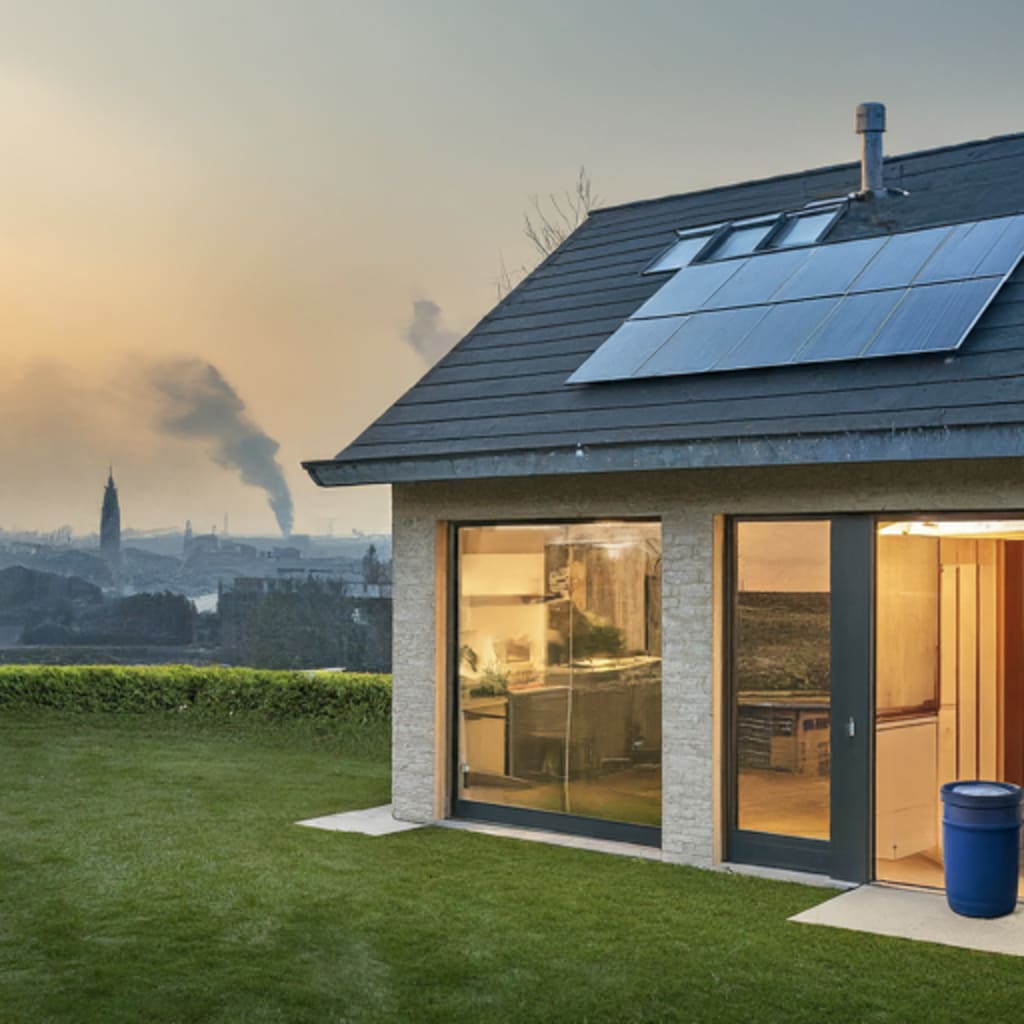
Climate change is no longer a distant issue; it's impacting us right now. As global temperatures rise and extreme weather events become more frequent, it's essential to understand how these changes affect our homes. Rising temperatures can strain home systems and increase energy costs. This blog post will explore how to adapt your home to these new realities, ensuring comfort and efficiency in a warming world.
1. Understanding the Impact of Climate Change on Home Environments
A. Increased Temperatures
Climate change has led to a steady increase in global temperatures. According to recent data from NASA, the Earth's average temperature has risen by about 1.2 degrees Celsius since the late 19th century. This seemingly small increase can have significant effects on your home. Higher temperatures mean that cooling systems work harder, which can lead to higher energy bills and increased wear and tear on equipment. For example, a study by the U.S. Department of Energy indicates that for every degree Fahrenheit increase in temperature, cooling costs can rise by approximately 3% to 5%.
B. Extreme Weather Events
Alongside rising temperatures, climate change has also contributed to more extreme weather events, such as heatwaves and intense storms. The National Oceanic and Atmospheric Administration (NOAA) reports that heatwaves are becoming more frequent and severe. These extreme conditions can put additional stress on home systems, potentially leading to breakdowns or reduced efficiency. For instance, a prolonged heatwave can cause air conditioning units to fail if they are not adequately maintained or if they are outdated.
2. Assessing Your Home’s Current Situation
A. Evaluating Insulation and Energy Efficiency
Before making any upgrades, it’s crucial to assess your home’s current insulation and energy efficiency. Proper insulation helps keep indoor temperatures stable, reducing the need for excessive cooling. To evaluate your insulation, check areas like the attic, walls, and floors for gaps or insufficient coverage. According to the Department of Energy, homes with inadequate insulation can lose up to 20% of their heat in winter and 30% of their cool air in summer. Improving insulation can lead to significant energy savings and a more comfortable living environment.
B. Reviewing Existing Cooling Systems
Next, review your current cooling systems. There are various types of air conditioning units, including central systems, ductless mini-splits, and window units. Assess the age and condition of your system; older units may be less efficient and more prone to breakdowns. The Air Conditioning, Heating, and Refrigeration Institute (AHRI) suggests that upgrading to a newer, more energy-efficient model can reduce cooling costs by 20% to 50%, depending on the system’s efficiency.
3. Upgrading Home Cooling Systems
A. Energy-Efficient Air Conditioning Units
Investing in an energy-efficient air conditioning unit is a crucial step in adapting to rising temperatures. Modern units are designed to consume less energy while providing the same level of cooling. Look for models with a high Seasonal Energy Efficiency Ratio (SEER) rating. According to ENERGY STAR, units with a SEER rating of 14 or higher are considered highly efficient. Additionally, features such as variable-speed motors and programmable thermostats can enhance efficiency and comfort. Regular AC service and maintenance are essential in Dubai’s extreme heat to ensure that your cooling system operates at peak efficiency, avoiding unnecessary repairs and extending the lifespan of your equipment.
B. Alternative Cooling Solutions
If you're looking for alternatives to traditional air conditioning, consider options like evaporative coolers and geothermal systems. Evaporative coolers, also known as swamp coolers, use water evaporation to cool the air, making them an energy-efficient choice in dry climates. Geothermal systems, on the other hand, utilize the earth’s natural temperature to regulate indoor conditions. While initial installation costs can be high, geothermal systems can offer significant long-term savings and environmental benefits.
4. Enhancing Home Insulation and Ventilation
A. Improving Insulation
Enhancing insulation is a vital part of preparing your home for higher temperatures. Insulation materials like fiberglass, foam, and cellulose can improve your home’s energy efficiency. For effective insulation, focus on areas such as the attic, walls, and floors. According to the Environmental Protection Agency (EPA), adding insulation can reduce heating and cooling costs by up to 20%. Proper insulation helps maintain a consistent indoor temperature, reducing the burden on your cooling systems.
B. Enhancing Ventilation
Good ventilation is essential for maintaining indoor air quality and comfort. Proper ventilation helps remove excess heat and moisture from your home. Consider installing attic fans or ventilated windows to improve airflow. According to the American Lung Association, adequate ventilation can also help reduce indoor pollutants and allergens, contributing to a healthier living environment.
5. Implementing Smart Home Technologies
A. Smart Thermostats
Smart thermostats are an excellent tool for managing home cooling efficiently. These devices allow you to set schedules and remotely control your thermostat using a smartphone or tablet. Features such as learning algorithms can optimize cooling patterns based on your habits, potentially saving you up to 10% on heating and cooling costs, as reported by ENERGY STAR.
B. Home Automation Systems
Home automation systems can further enhance your home’s climate control. By integrating devices such as smart blinds and automated shading systems, you can reduce heat gain from sunlight, lowering cooling demands. Automation systems can also help manage energy use more effectively, providing real-time data and adjustments to optimize comfort and efficiency.
6. Maintenance Tips for Long-Term Success
A. Regular System Check-Ups
Regular maintenance is crucial for ensuring the longevity and efficiency of your cooling systems. Schedule professional check-ups at least once a year to inspect and service your air conditioning units. Regular maintenance helps identify potential issues before they become major problems, extending the lifespan of your equipment.
B. Addressing Common Issues
Common issues with cooling systems include clogged filters, refrigerant leaks, and thermostat malfunctions. Regularly check and replace air filters to maintain airflow and efficiency. If you notice unusual noises or reduced performance, contact a professional to address these issues promptly.
7. Future-Proofing Your Home
A. Long-Term Planning
When planning home improvements, consider the long-term impacts of climate change. Invest in durable materials and systems that can withstand extreme weather conditions. Additionally, consider incorporating renewable energy sources, such as solar panels, to reduce reliance on traditional energy sources.
B. Staying Informed
Stay informed about climate trends and advancements in home technology. Keeping up with the latest developments can help you make informed decisions about home upgrades and maintenance. Resources such as climate reports, energy efficiency guides, and technology reviews can provide valuable insights.
Conclusion
Adapting your home to the effects of climate change is essential for maintaining comfort and efficiency in a warming world. By assessing your current situation, upgrading systems, and implementing smart technologies, you can better prepare your home for rising temperatures. Regular maintenance and long-term planning will ensure that your home remains resilient and efficient, helping you stay comfortable as climate conditions continue to evolve.
About the Creator
Silvia James
Silvia James was born in Denver, Colorado, and works as a contract author. She graduated from the College of Colorado, Denver with a bachelor's degree in English. Writing is her best form of networking and expressing herself.
Reader insights
Nice work
Very well written. Keep up the good work!
Top insights
Compelling and original writing
Creative use of language & vocab
Excellent storytelling
Original narrative & well developed characters
Eye opening
Niche topic & fresh perspectives
On-point and relevant
Writing reflected the title & theme
Keep reading
More stories from Silvia James and writers in Journal and other communities.
Best Photo Booth Rentals in New York: Capture Memories in Style
If you're looking for a way to make your next event more memorable and engaging, renting a photo booth can be a fantastic option. With a photo booth, you can provide your guests with a fun and interactive way to capture memories of the occasion while also giving them something tangible to take home with them. In New York City, there are many different photo booth rental companies to choose from, but not all are created equal. In this article, we'll explore the best photo booth rental companies in New York City, including the top-rated Phototeknyc.com, and what sets them apart.
By Silvia James3 years ago in Journal
What Milwaukee Teams Overlook During App Planning Phases?
Most app projects in Milwaukee do not fail because of poor execution. They struggle because early planning feels productive while leaving the hardest questions unanswered. Whiteboards fill up. Features get approved. Timelines look reasonable. Momentum builds. What is missing rarely feels urgent at that stage.
By Samantha Blake7 days ago in Journal
My New Book is Finally Here
My poetry collection Beautiful and Brutal Things is done. It's actually done and finally published over 270 pages. Over a year of my life went into this book. More than a year, really. Long days at my computer, sometimes seven days a week because I couldn't stop even when I probably should have. Then two months of editing that felt harder than the writing itself. But it's finished, and I'm still standing, and the book is real.
By Tim Carmichaela day ago in BookClub




Comments (1)
I really love your content and how it's crafted , I love it and happily subscribed , you can check out my content and subscribe to me also , thanks for this beautiful one