
Cleanroom and Explosion-Proof Overhead Crane Designs
For safe and efficient lifting operations
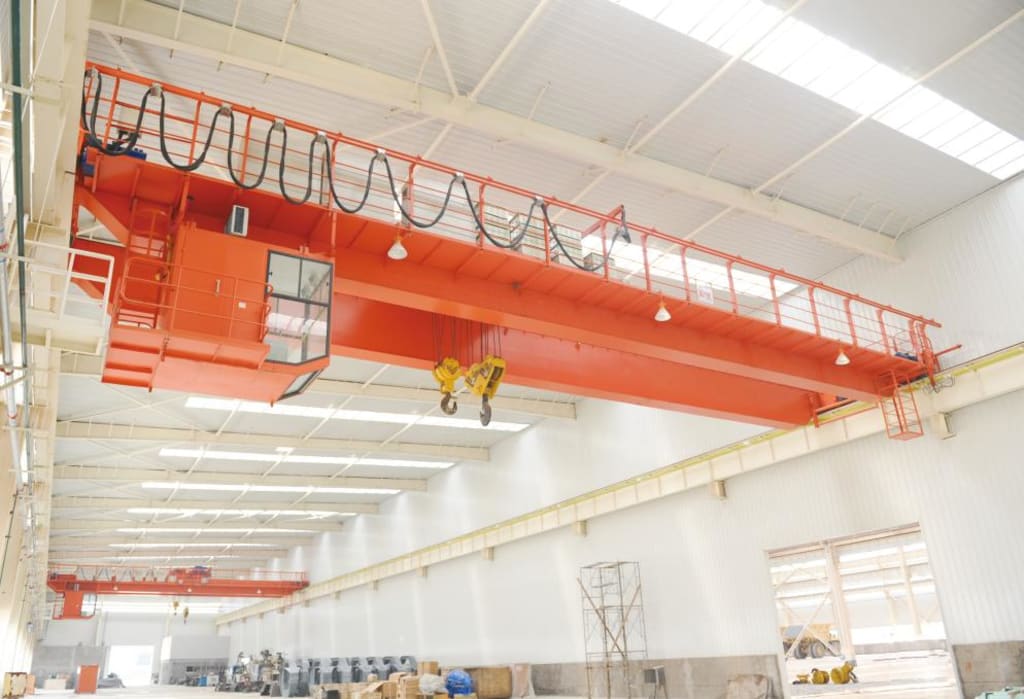
In highly specialized industrial environments such as semiconductor fabrication plants, pharmaceutical manufacturing, chemical processing facilities, and oil refineries, overhead cranes play a vital role in material handling. However, the demands of such sensitive and potentially hazardous environments require more than standard crane designs. This is where cleanroom and explosion-proof overhead cranes come into play.
These two crane categories are engineered with distinct but equally stringent requirements: cleanroom cranes must meet high levels of cleanliness and particulate control, while explosion proof cranes are designed to operate safely in environments with flammable gases, vapors, or dust. This article explores the design principles, applications, components, and benefits of cleanroom and explosion-proof overhead cranes.
Cleanroom Overhead Cranes
1. What Is a Cleanroom Overhead Crane?
A cleanroom overhead crane is specifically designed to operate in contamination-sensitive environments. These cranes are engineered to prevent the release of particles, dust, or other contaminants, thereby protecting the integrity of cleanroom operations. They are commonly used in industries such as:
Semiconductor manufacturing
Pharmaceutical production
Medical device manufacturing
Aerospace and optics
Food processing and biotechnology
2. Cleanroom Standards and Classifications
Cleanrooms are classified based on the number and size of particles per cubic meter of air, as per standards such as ISO 14644-1 and the older FED-STD-209E. Common cleanroom classes include:
ISO Class 1–3: Extremely stringent, used in semiconductor manufacturing
ISO Class 4–6: Used in pharmaceutical and biotech production
ISO Class 7–8: General cleanliness environments
Cleanroom cranes are designed to meet these cleanliness levels by minimizing particle generation and ensuring easy cleanability.
3. Key Design Features
a. Material and Finish
Stainless Steel Construction: Non-corrosive and easy to sanitize.
Polished Surfaces: Electropolishing or mirror finishes reduce surface roughness and prevent particle accumulation.
b. Enclosed Mechanisms
All moving components such as motors, gearboxes, and wire ropes are sealed or enclosed to prevent particulate dispersion.
c. Non-shedding Components
Specialized materials are used for wheels, bearings, and belts to avoid shedding dust or debris.
d. Lubrication
Cleanroom-compatible greases and oils (non-outgassing, low-vapor pressure) are used to prevent contamination.
e. HEPA Filtration
In some cases, built-in filtration units may be installed to maintain air quality around the crane’s operation area.
4. Applications and Benefits
Cleanroom cranes are crucial for ensuring compliance with GMP (Good Manufacturing Practice) and FDA standards in controlled environments. They reduce human handling, improve safety, and maintain product quality by minimizing contamination risks.
Explosion-Proof Overhead Cranes
1. What Is an Explosion-Proof Overhead Crane?
Explosion-proof overhead cranes are designed for safe operation in hazardous areas where flammable gases, vapors, liquids, or dust are present. These cranes are used in compliance with safety standards to prevent ignition sources in potentially explosive atmospheres.

They are widely applied in industries such as:
Oil and gas refineries
Chemical and petrochemical plants
Paint and solvent manufacturing
Grain storage and processing
Mining and metal processing
2. Hazardous Area Classification
Hazardous zones are classified based on the likelihood and duration of explosive atmosphere presence. Common classification systems include:
ATEX (EU Directive 2014/34/EU): Classifies zones into Zone 0, 1, 2 for gases, and Zone 20, 21, 22 for dust.
NEC (North America): Divides areas into Class I (gases), Class II (dust), and Class III (fibers), with Division 1 and 2 based on frequency of exposure.
Explosion-proof cranes are designed to meet the specific requirements of these hazardous zones.
3. Key Design Features
a. Flameproof and Encapsulated Components
Motors, brakes, limit switches, and control panels are enclosed in flameproof housings to prevent sparks or hot surfaces from igniting the atmosphere.
b. Anti-sparking Materials
Non-ferrous or anti-sparking materials such as bronze or brass are used for hooks, wheels, and contact surfaces.
c. Intrinsically Safe Controls
Control systems use low-voltage circuits and protective barriers to prevent ignition.
d. Grounding and Bonding
Proper electrical grounding prevents static electricity buildup.
e. Temperature Control
Heat-dissipating designs and temperature sensors prevent component overheating.
4. Compliance and Certifications
Explosion-proof cranes must be certified by relevant authorities. Certifications may include:
ATEX Certification (EU)
IECEx Certification (International)
UL, CSA, or FM approvals (North America)
Compliance with these certifications ensures the crane’s components and assemblies can operate safely in the specified hazardous area.
Combining Cleanroom and Explosion-Proof Features
In rare but critical applications, such as pharmaceutical solvent mixing or semiconductor wet etching, both cleanliness and explosion protection are required simultaneously. In such cases, a hybrid cleanroom explosion-proof overhead crane is developed.
These cranes incorporate all features necessary for clean operation while ensuring ignition-proof design. However, this requires extensive engineering effort and collaboration with compliance bodies to meet both ISO cleanliness and ATEX/IECEx explosion-proof requirements.
Control Systems and Automation
Both cleanroom and explosion-proof cranes can be equipped with advanced control systems, including:
Radio Remote Control: Allows operators to maintain a safe distance from the crane and hazardous materials.
Variable Frequency Drives (VFDs): Ensure smooth lifting and travel motions, reducing mechanical wear and particulate generation.
PLC Integration: Enables intelligent control, diagnostics, and interlock with cleanroom or hazard monitoring systems.
Explosion-proof remote control systems are enclosed in intrinsically safe housings, while cleanroom systems avoid surface contamination and are often touch-free or sealed.
Maintenance and Safety Considerations
Cleanroom Crane Maintenance
Use of approved cleaning agents and non-shedding wipes.
Scheduled inspections for contamination risk points.
Regular surface testing to ensure compliance with cleanroom standards.
Explosion-Proof Crane Maintenance
All maintenance must be carried out by certified technicians.
Frequent inspections for enclosure integrity, grounding continuity, and component temperature.
Strict lockout-tagout (LOTO) procedures.
Conclusion
Cleanroom and explosion-proof overhead cranes are critical to safe and efficient operations in specialized industrial environments. These cranes are not off-the-shelf solutions but are highly customized systems engineered for demanding operational, safety, and regulatory requirements.
When selecting such a crane, it is essential to work with an experienced eot crane manufacturer who understands cleanroom classifications, hazardous area standards, and can provide proper documentation and certification.
With proper design, installation, and maintenance, these cranes ensure high levels of safety, hygiene, and performance—meeting the exacting demands of industries where failure is not an option.
About the Creator
Aicrane01
Welcome to the Aicrane Blog, your practical guide to lifting solutions. Discover articles covering overhead cranes, gantry cranes, winches, steel structures, boat lifts, and more.
Website: https://steelmillcranes.com/
ChinaAirbus Aircraft: A Deal That Signals Shifting Global Aviation Power
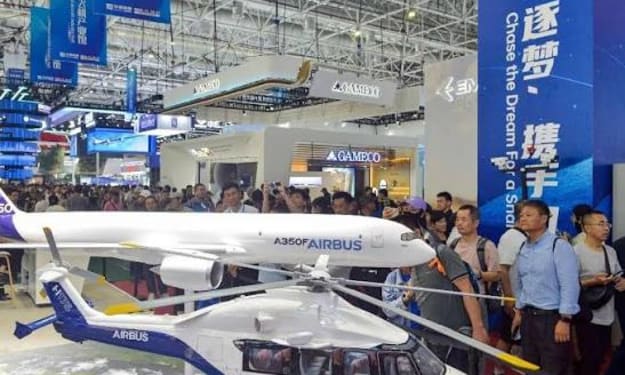
The global aviation industry may be on the verge of one of its most consequential aircraft deals in recent years. During a high-profile diplomatic visit to Beijing, German leader Friedrich Merz revealed that China is considering purchasing up to 120 aircraft from Airbus. The announcement underscores not only the strengthening economic ties between Europe and Asia but also signals a deeper shift in the global balance of aviation influence. The potential agreement, still under negotiation, highlights how aviation has become a strategic tool in international relations. It also reflects China’s growing need to modernize its expanding airline fleet while reinforcing Europe’s position in the competitive aircraft manufacturing sector. A Strategic Deal Beyond Aviation Aircraft orders of this magnitude are rarely just commercial transactions. Instead, they often carry broader diplomatic and economic implications. The proposed Airbus purchase illustrates the deepening economic cooperation between Germany and China, two of the world’s largest export-driven economies. For Germany, Airbus represents not only a major industrial success but also a symbol of European technological excellence. Supporting Airbus helps protect thousands of highly skilled jobs across Europe, including engineering, manufacturing, and supply chain roles. Merz’s announcement during his Beijing visit demonstrates Germany’s commitment to strengthening economic ties with China despite global geopolitical tensions. For China, the deal aligns with its long-term strategy to expand and modernize its aviation sector. As air travel demand continues to rise with the growth of the middle class, Chinese airlines require newer, more efficient aircraft to handle both domestic and international routes. Airbus Gains Ground in a Competitive Market The possible order of up to 120 aircraft represents a major victory for Airbus in its ongoing competition with its American rival, Boeing. For decades, Airbus and Boeing have dominated the global commercial aircraft market, with airlines around the world relying on their fleets. However, recent years have seen Airbus gain increasing market share, especially in Asia. The company’s single-aisle aircraft models, known for their fuel efficiency and reliability, have become particularly attractive to airlines seeking to reduce operating costs and meet environmental standards. China’s decision to potentially favor Airbus reflects both commercial and political considerations. Diversifying suppliers reduces dependence on any single country and strengthens China’s bargaining position in global trade relationships. This development also highlights Europe’s growing influence in sectors traditionally dominated by American manufacturers. Airbus, supported by governments across the European Union, has emerged as a strong competitor capable of securing massive international contracts. China’s Rapidly Expanding Aviation Market China’s aviation sector is one of the fastest-growing in the world. Before the pandemic, China was already on track to become the largest air travel market globally, surpassing the United States in passenger volume. This growth is driven by several factors: Rising incomes and increased affordability of air travel Expansion of domestic tourism Development of regional airports Growth in international business travel Chinese airlines are expanding routes across Asia, Europe, and Africa, requiring modern aircraft that offer efficiency, comfort, and lower emissions. President Xi Jinping has emphasized technological modernization and economic resilience as key national priorities. Aviation plays a central role in achieving these goals by connecting China more effectively to global markets. Europe Strengthens Its Economic Position The potential Airbus deal also carries major implications for Europe’s economic future. Aircraft manufacturing is one of the continent’s most valuable industrial sectors, generating billions in revenue and supporting hundreds of thousands of jobs. Germany plays a particularly important role in Airbus production, with major manufacturing facilities and research centers contributing to aircraft design and assembly. Airlines such as Lufthansa rely heavily on Airbus aircraft, reinforcing the company’s importance within the European aviation ecosystem. Airbus also maintains a strong presence in China itself, including assembly facilities in Tianjin. These facilities allow Airbus to build aircraft closer to customers while strengthening its relationship with Chinese partners. This localized production approach helps Airbus compete effectively while supporting China’s goal of developing its own aviation expertise. Political and Economic Balance in a Changing World The timing of the potential agreement is particularly significant. Global trade relationships are undergoing major changes, influenced by geopolitical tensions, supply chain disruptions, and shifting alliances. By deepening cooperation with Airbus, China signals its willingness to maintain strong economic ties with Europe even as global competition intensifies. Meanwhile, Germany’s support for Airbus reinforces Europe’s desire to remain an independent and influential economic force. This balance allows both sides to benefit economically while reducing reliance on any single partner. Environmental and Technological Implications Modern aircraft are significantly more fuel-efficient than older models, reducing emissions and operating costs. China’s investment in newer Airbus aircraft aligns with global efforts to make aviation more sustainable. Airbus has been investing heavily in next-generation aircraft technology, including lighter materials, advanced engines, and improved aerodynamics. These innovations help airlines reduce fuel consumption and meet increasingly strict environmental regulations. For China, adopting these aircraft supports its broader environmental goals while improving airline profitability. What This Means for the Future of Aviation The potential Airbus deal represents more than just a large aircraft order—it reflects a broader transformation in global aviation and economic power. Several key trends are emerging: Europe is strengthening its role as a major aviation supplier China is expanding its global aviation influence Aircraft manufacturing competition is intensifying Aviation is becoming increasingly linked to geopolitical strategy If finalized, the agreement could reshape industry dynamics and reinforce Airbus’s leadership in one of the world’s most important growth markets. Conclusion: A Deal with Global Impact China’s potential purchase of up to 120 Airbus aircraft marks a pivotal moment in international aviation and economic cooperation. The deal highlights the growing partnership between China and Europe while strengthening Airbus’s position as a global industry leader. Beyond its immediate commercial impact, the agreement signals broader shifts in geopolitical influence, industrial strategy, and technological development. As global air travel continues to expand, partnerships like this will play a critical role in shaping the future of aviation—and redefining the balance of economic power in the 21st century.
By Jameel Jamali4 days ago in Journal



Comments
There are no comments for this story
Be the first to respond and start the conversation.