
Clashes Intensify in Eastern Congo: Why the Crisis Is Testing U.S. Mediation and Shaking Regional Stability
Mediation Tested

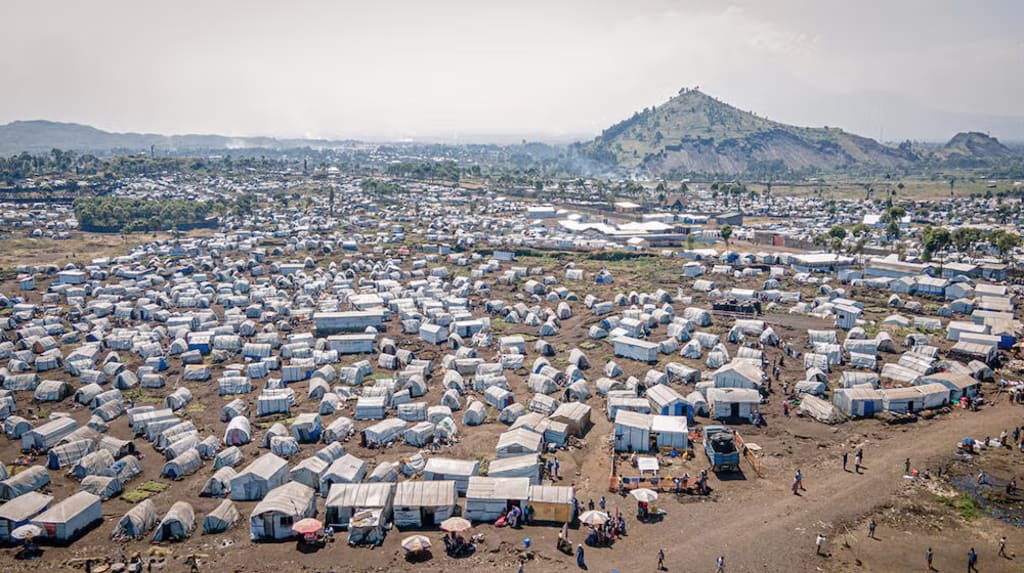
Eastern Congo is once again at a breaking point.
Like a fault line under constant pressure, the region has been shaking for years—but recent clashes have turned tremors into aftershocks. As violence intensifies, hopes that diplomacy—particularly U.S.-backed mediation efforts—could cool tensions are being severely tested.
This is not just another local conflict. What’s happening in eastern Congo has regional consequences, humanitarian implications, and global geopolitical weight.
So what’s fueling the renewed fighting? Why is U.S. mediation struggling? And what does this mean for Central and East Africa?
Let’s unpack it—clearly, carefully, and with context.
Eastern Congo: A Region That Never Fully Heals
Eastern Democratic Republic of Congo (DRC) is rich in minerals but poor in peace.
For decades, the region has been caught in a cycle of:
Armed group activity
Weak state control
Cross-border tensions
Displacement of civilians
Think of eastern Congo as a marketplace built on a volcano—valuable, busy, and constantly threatened by eruption.
The latest clashes are not new chapters, but new pages in an old, unfinished story.
What’s Driving the Current Escalation?
While the conflict has many layers, several key factors explain why violence has intensified in recent weeks:
1. Armed Groups and Territorial Control
Multiple armed factions continue to compete for territory, influence, and access to resources. These groups thrive in areas where governance is thin and security forces are overstretched.
2. Regional Involvement and Suspicion
Neighboring countries are often drawn into the conflict—directly or indirectly—fueling mistrust and diplomatic tension. Allegations of external backing for rebel groups regularly inflame the situation.
3. Civilian Displacement
As fighting spreads, civilians flee. Camps grow. Resources shrink. And humanitarian pressure increases, creating conditions that further destabilize the region.
This isn’t a single spark—it’s a bundle of dry wood waiting for friction.
Why U.S. Mediation Is Being Challenged
The United States has positioned itself as a diplomatic broker, supporting peace talks and regional dialogue. But mediation in eastern Congo is like trying to stop a river with open hands—well-intentioned, but incredibly difficult.
Here’s why:
Fragmented Actors
Unlike conflicts with two clear sides, eastern Congo involves dozens of actors—state forces, rebel groups, regional interests, and local militias. Negotiating peace with everyone at once is nearly impossible.
Mistrust Runs Deep
Years of broken agreements have left parties skeptical. Promises are heard—but rarely believed.
Violence Outpacing Diplomacy
Diplomacy moves slowly. Conflict does not. Every new clash undermines negotiations and hardens positions on all sides.
U.S. mediation isn’t failing because of lack of effort—but because the ground realities keep shifting faster than talks can keep up.
Illustration: The Domino Map of Instability
Imagine a row of dominoes:
Eastern Congo
Rwanda
Uganda
Burundi
South Sudan
When conflict intensifies in eastern Congo, pressure builds across borders. Refugees move. Trade slows. Security concerns rise. One push can send the whole line tumbling.
That’s why regional stability is at stake—not just Congolese politics.
How This Affects Regional Stability
The consequences ripple far beyond the battlefield:
Economic Impact
Trade routes are disrupted. Mining operations halt. Investors pull back. Regional economies feel the strain.
Humanitarian Crisis
Aid agencies struggle to keep up with displacement and shortages. Food insecurity grows. Health systems buckle under pressure.
Security Risks
Instability creates space for transnational crime, weapons trafficking, and extremist movements.
In short, when eastern Congo burns, the smoke drifts across borders.
Frequently Asked Questions (Google-Style)
Why is eastern Congo always unstable?
Eastern Congo’s instability stems from a mix of colonial-era borders, competition over mineral wealth, weak governance, and decades of armed conflict that never fully ended.
Who is involved in the eastern Congo conflict?
The conflict involves Congolese government forces, multiple rebel and militia groups, and neighboring countries accused of influence or involvement, alongside international mediators.
What role is the U.S. playing in Congo?
The U.S. supports diplomatic efforts, regional dialogue, and peace initiatives aimed at reducing violence and encouraging political solutions rather than military escalation.
Is there a risk of a wider regional war?
While no full-scale regional war is inevitable, continued escalation increases the risk of cross-border conflict and long-term regional instability.
Can peace realistically be achieved?
Peace is possible—but it requires sustained regional cooperation, accountability, security reform, and long-term investment in governance, not just short-term ceasefires.
Why Simple Solutions Don’t Work Here
Many ask: Why can’t international powers just enforce peace?
Because eastern Congo is not a light switch—it’s a tangled knot.
Military solutions alone fail. Diplomatic talks without security guarantees collapse. Aid without governance reform treats symptoms, not causes.
Lasting peace requires:
Regional trust-building
Stronger state institutions
Economic alternatives to armed group recruitment
Consistent international engagement—not attention that fades with headlines
What Happens Next?
As clashes continue, pressure mounts on:
Regional leaders to recommit to dialogue
International partners to coordinate efforts
Armed groups to face meaningful consequences
U.S. mediation remains relevant—but it will need regional buy-in, patience, and leverage to succeed.
The next months will be critical.
Either diplomacy regains ground—or violence redraws the map of influence once again.
Final Thoughts: A Region at the Crossroads
Eastern Congo stands at a crossroads where history, geography, and geopolitics collide.
The intensified clashes are not just a failure of ceasefires—they are a warning. A warning that unresolved conflicts don’t fade quietly. They wait. They gather strength. And they return.
For the region, the cost of failure is instability.
For mediators, the challenge is credibility.
For civilians, the stakes are survival and dignity.
Peace in eastern Congo won’t come easily—but without sustained effort, the alternative is a cycle the region can no longer afford.
About the Creator
Omasanjuwa Ogharandukun
I'm a passionate writer & blogger crafting inspiring stories from everyday life. Through vivid words and thoughtful insights, I spark conversations and ignite change—one post at a time.
Keep reading
More stories from Omasanjuwa Ogharandukun and writers in Journal and other communities.
FTSE Hits Record High as Gold and Oil Tumble
The FTSE has reached a record high as global commodity prices, particularly gold and oil, experience notable declines. The market movement reflects shifting investor sentiment, changes in global economic outlooks, and evolving expectations around inflation and interest rates. While falling commodity prices often signal economic uncertainty, in this case they appear to have boosted investor confidence in equities, particularly in sectors that benefit from lower input and energy costs.
By Aarif Lashari7 days ago in Journal



Comments
There are no comments for this story
Be the first to respond and start the conversation.