
China’s New Rule for Influencers: No Degree, No Serious Topics
In a surprising move, China has introduced new regulations requiring social media influencers to hold degrees before they can discuss serious topics

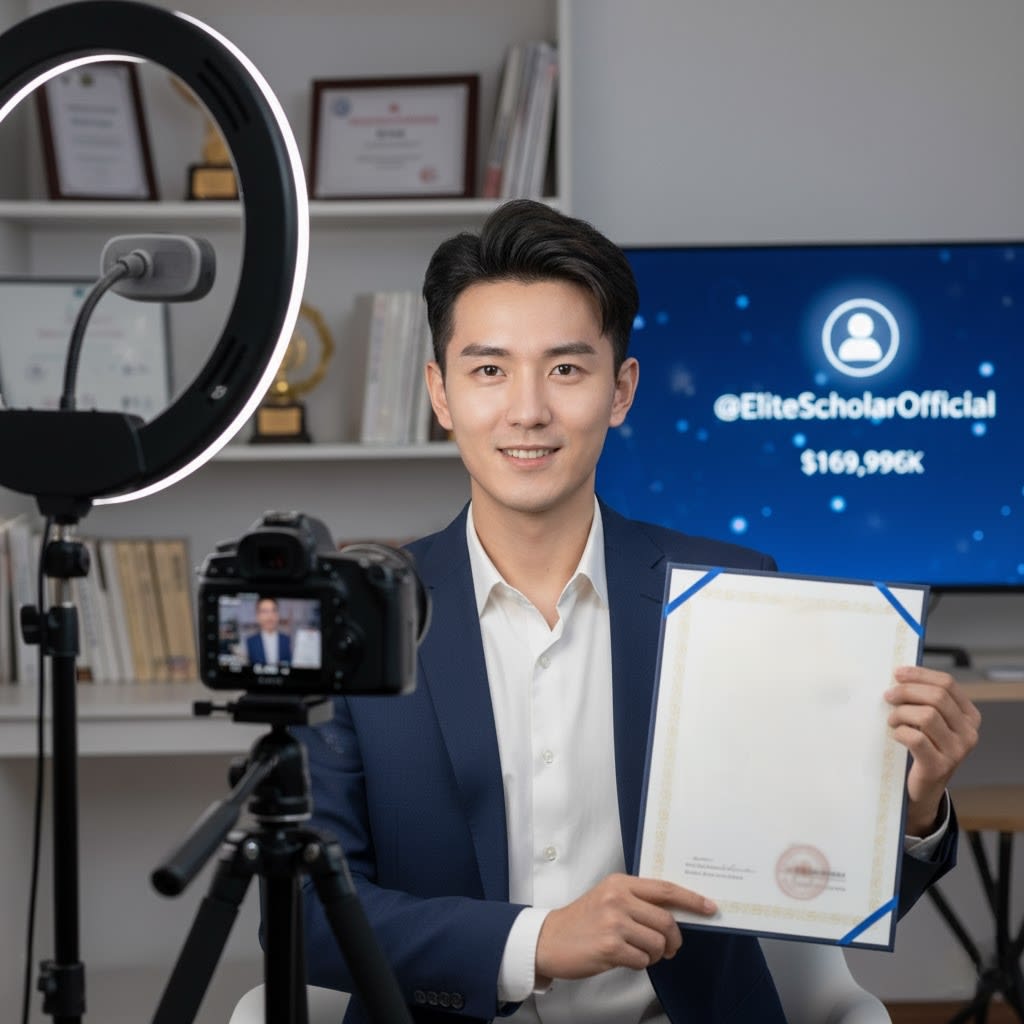
China has always been known for having strict rules when it comes to social media and online content, but its latest regulation has taken things to a whole new level. The government has announced that influencers who want to talk about serious topics such as politics, law, finance, health, or education must now hold a relevant university degree. In simple terms, if an influencer doesn’t have the proper qualifications, they’re not allowed to give opinions or advice on these sensitive subjects. This new rule aims to stop the spread of misinformation — but it’s also sparking big debates about freedom of speech and creativity online.
According to the new guidelines, which were announced by China’s cyberspace authority, influencers who discuss professional or academic subjects must show proof of their credentials before being allowed to post such content. For example, if someone wants to talk about financial investments, they must have a degree in finance or economics. If they discuss health or medical advice, they must hold a degree in medicine or a related field. Even teachers who share educational tips on platforms like Douyin (China’s version of TikTok) or Weibo must verify their qualifications. The rule doesn’t affect lifestyle or entertainment creators — those who focus on fashion, food, travel, or comedy can continue as usual.
The reason behind this change, according to officials, is to “improve the quality of online content and prevent misinformation.” In recent years, China has seen a huge boom in influencer culture. Millions of online personalities now use platforms to share advice and opinions, some of which have led to controversy or false claims. From fake health cures to risky investment advice, several incidents have drawn public concern. The government believes that by ensuring only qualified people can speak on expert topics, it can protect citizens from misleading or harmful information.
However, not everyone is happy with the decision. Many influencers and fans argue that the new rules will make it harder for independent voices to be heard. Some creators who built large followings by sharing personal experiences — such as managing money, dealing with mental health, or starting small businesses — worry they might be silenced simply because they don’t have formal degrees. Others say that learning from experience can be just as valuable as learning from school, and that these rules could limit creativity and open discussion.
Chinese social media users have mixed reactions. Some people support the rule, saying it’s about time the internet became more reliable. They argue that with so much false information spreading online, it’s important to have verified experts sharing knowledge. Others, though, think the rule is too strict and could discourage people from speaking out about real issues. One user commented, “I understand wanting accuracy, but what about those who share real experiences that help others? Not everyone can afford a degree.”
For many creators, this regulation means they’ll have to completely change the type of content they post. Some have already started deleting old videos or switching to lifestyle topics to stay safe. Others are trying to find creative ways to continue discussing important subjects without breaking the rules — for instance, by inviting certified professionals to join their videos or by framing content as personal stories rather than formal advice.
Experts believe that this move is part of a larger effort by China to make the internet more controlled and professional. Over the past few years, the country has introduced several online regulations — from limiting screen time for children to tightening rules on live-streaming and online shopping promotions. Each rule aims to make digital spaces safer and more responsible, but critics often worry about the loss of freedom that comes with such control.
The influencer industry in China is massive, worth billions of dollars, and plays a huge role in shaping public opinion. Many brands rely on influencers to promote products and ideas, so this new regulation could also affect marketing strategies. Companies might now prefer to work with influencers who have certified expertise in their niche, giving more power to professionals while limiting opportunities for ordinary creators.
Still, some analysts say this change might also bring positive outcomes. It could increase trust between influencers and audiences, reduce fake news, and promote more informed discussions online. Viewers might feel more confident taking advice from people who are truly qualified. As one commentator said, “This could clean up the internet — but it depends on how the rules are enforced.”
Whether people view it as progress or censorship, one thing is clear: this new rule marks a major shift in how China manages online content. Influencers will now have to think twice before sharing information about serious topics, and audiences may soon see fewer “experts” online — but those who remain will likely be more credible.
The rule reminds the world how much power governments have to shape the digital landscape. In China, where over a billion people use the internet, even one regulation can change everything. As the debate continues, one question lingers in the minds of creators and viewers alike: is this the beginning of a safer internet — or the end of free expression as we know it?
About the Creator
Keep reading
More stories from Kashif Wazir and writers in Journal and other communities.
Andrew to Lose His Prince Title and Move Out of Royal Lodge
The British royal family has faced many storms over the decades, but few have been as publicly complicated and deeply scrutinized as the ongoing situation surrounding Prince Andrew. Once known as “the Queen’s favorite son,” Andrew’s life has taken a sharp turn in recent years. Now, according to multiple reports, he may soon lose the title of “Prince” and be asked to move out of the Royal Lodge — his home for more than two decades.
By Kashif Wazir4 months ago in Journal
Author’s Advice
If you would’ve asked me 20 years ago did I know I’d become a writer and an author, I would’ve said “nope, ain’t happening”. As fate would have it I did become an author and I can honestly say I’m loving it so far. It really does feel good to be a writer. I’ve learned a lot on this journey and I feel like with even me being as new to this world as I am, there’s some wisdom I need to share with every other aspiring author.
By Joe Patterson4 days ago in Journal




Comments (1)
Lots of people would listen to advice from influencers thinking they are trained. However sadly not all are, and could do damage