
Andrew to Lose His Prince Title and Move Out of Royal Lodge
The fall from grace continues for Prince Andrew as reports emerge that he may soon lose his royal title and be asked to vacate his longtime Windsor home — a dramatic shift in the royal landscape.

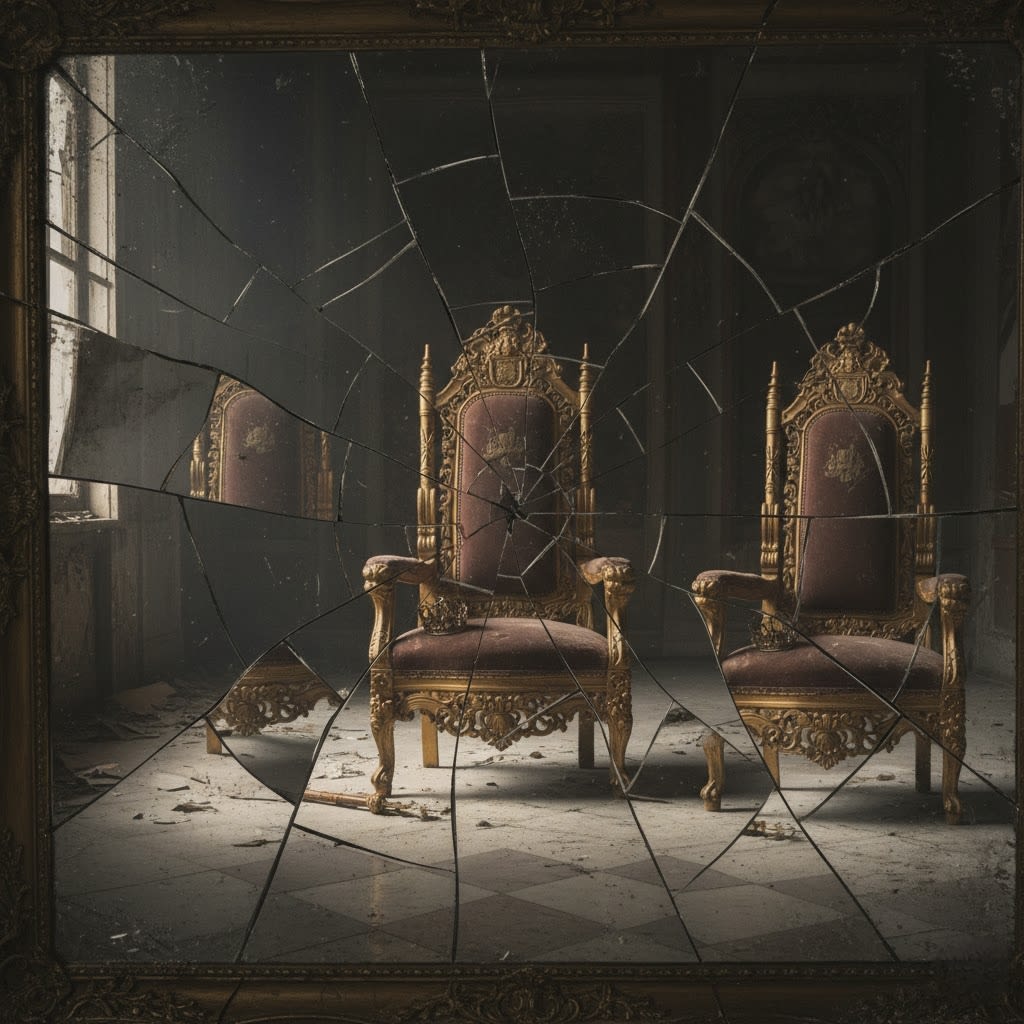
The British royal family has faced many storms over the decades, but few have been as publicly complicated and deeply scrutinized as the ongoing situation surrounding Prince Andrew. Once known as “the Queen’s favorite son,” Andrew’s life has taken a sharp turn in recent years. Now, according to multiple reports, he may soon lose the title of “Prince” and be asked to move out of the Royal Lodge — his home for more than two decades.
The Royal Lodge, a grand mansion located in Windsor Great Park, has been Prince Andrew’s residence since 2003. It is not only a luxurious property but also a symbol of royal privilege and history. However, as public and political pressure continues to mount over his reputation and his ties to past controversies, the palace is reportedly considering major steps to distance the monarchy from further embarrassment. Losing both the title and the home would mark one of the most significant falls in modern royal history.
For years, Prince Andrew’s name has been associated with scandal following his friendship with Jeffrey Epstein, the late financier and convicted sex offender. Despite Andrew’s repeated denials of wrongdoing, the fallout from the controversy has severely damaged his public image and, by extension, the monarchy’s credibility. In 2022, after a civil lawsuit was filed against him in the United States — which he later settled — Queen Elizabeth II stripped him of his royal duties and military titles.
At that time, Andrew retained his “His Royal Highness” status privately, though he no longer used it in official capacity. Now, King Charles III is reportedly taking stronger measures to ensure that the monarchy can move forward with a cleaner, more modern image — one that reflects accountability, transparency, and dignity.
The move to strip Andrew of his prince title would be symbolic but powerful. It would mean that, officially, the monarchy no longer recognizes him as part of its public structure. For a family that thrives on image, hierarchy, and public trust, such a step would be unprecedented — though perhaps necessary in today’s climate.
But beyond the title, it is the potential eviction from Royal Lodge that has stirred the most conversation. The property, with its sweeping gardens, private lake, and regal architecture, has long been a sanctuary for Andrew. However, King Charles reportedly believes that maintaining such an estate for a non-working royal is inappropriate, especially as the palace pushes for cost-cutting and modernization.
If Andrew does have to move, one of the suggested alternatives is Frogmore Cottage — the former home of Prince Harry and Meghan Markle. The irony of such a move has not gone unnoticed by royal watchers: the Duke of York possibly taking over the home once occupied by his nephew, whom the institution itself pushed away.
Public opinion, too, plays a large role in this unfolding drama. Surveys in the UK continue to show that Prince Andrew remains one of the least popular members of the royal family. His appearances in public have been rare and carefully managed, with even his presence at family gatherings sparking debate and criticism online.
For King Charles, this situation is not only about image but also about legacy. He is working to streamline the monarchy, focusing on the “core royals” who actively serve the public. By distancing the institution from controversy and reducing its financial burden on taxpayers, he hopes to secure the monarchy’s relevance in the modern era.
Meanwhile, Prince Andrew is said to be resistant to the idea of leaving Royal Lodge, citing long-term leases and financial arrangements made during the reign of his late mother. However, insiders say that the King’s patience is wearing thin, and that he wants the matter settled quietly but firmly.
The question remains — what happens next for Andrew? Without his title, without a home in Windsor, and without a public role, he risks fading entirely from the royal picture. Some close to him claim that he feels abandoned and misunderstood, while others argue that he has been given far more leniency than most would receive under similar circumstances.
As the royal family continues to evolve under King Charles III, this chapter could mark a turning point — a moment when the monarchy finally chooses reputation over relation, and accountability over tradition.
Whether Prince Andrew will accept his new reality gracefully or continue to resist remains to be seen. But one thing is clear: the era of untouchable royals is over, and even a prince — once protected by birthright and privilege — must now face the consequences of his past.
About the Creator
Keep reading
More stories from Kashif Wazir and writers in Journal and other communities.
Irish Offers £70,000 to Start a New Life on a Remote Island
# The Big Offer on the Table Imagine packing up your city life and moving to a serene island off the coast of Ireland. Sounds like a dream, right? As part of its Our Living Islands initiative, the Irish government is offering **grants up to €84,000 (around £70,000)** to people willing to commit to renovating vacant homes and living long-term on certain remote islands. ([The Independent][1]) The scheme’s aim is clear: revitalise small island communities, boost game-changing population growth and protect Ireland’s cultural and coastal heritage.
By Kashif Wazir5 months ago in Journal
Author’s Advice
If you would’ve asked me 20 years ago did I know I’d become a writer and an author, I would’ve said “nope, ain’t happening”. As fate would have it I did become an author and I can honestly say I’m loving it so far. It really does feel good to be a writer. I’ve learned a lot on this journey and I feel like with even me being as new to this world as I am, there’s some wisdom I need to share with every other aspiring author.
By Joe Patterson5 days ago in Journal
Phuket for first-timers
If you have never been to Phuket, Thailand’s largest island, then there is always the first time. All the information that you seek is right here for you to soak in and let your stay run smoothly. From the best time to visit to how to arrange your activities and what to eat, we have got you covered on all sides during your Phuket stay. Read on find out the stuff to make it happen!
By Jeewanthi Armstrong7 days ago in Journal
The First Rainbow Baby
Pitter-patter, pitter-patter. The rain fell in rhythmic splatters, slowly slowing, but still constant. Mira rolled onto her side pulling the blanket tight against her ears, but still she could hear chitter-chatter and scurrying feet of the creatures that refused to sleep in the lower decks.
By A. J. Schoenfeld3 days ago in Fiction




Comments
There are no comments for this story
Be the first to respond and start the conversation.