
Cattle Ranching as an Investment: Exploring Opportunities in a Changing Agricultural Landscape
How Ranches Like ghaffar farm Are Reshaping Livestock Investment in the 21st Century

Introduction
Cattle ranching has long been a cornerstone of agricultural economies across the globe. In recent years, however, the idea of investing in cattle ranching has shifted from traditional farming to strategic, data-informed, and environmentally conscious ventures. One example of this evolution can be seen through models such as ghaffar farm, which reflect the changing nature of how livestock-based businesses are run today. This article explores how cattle ranching has become a compelling investment opportunity, the challenges and ethical considerations involved, and what new investors should keep in mind before entering this complex field.
The Basics of Cattle Ranching as an Investment
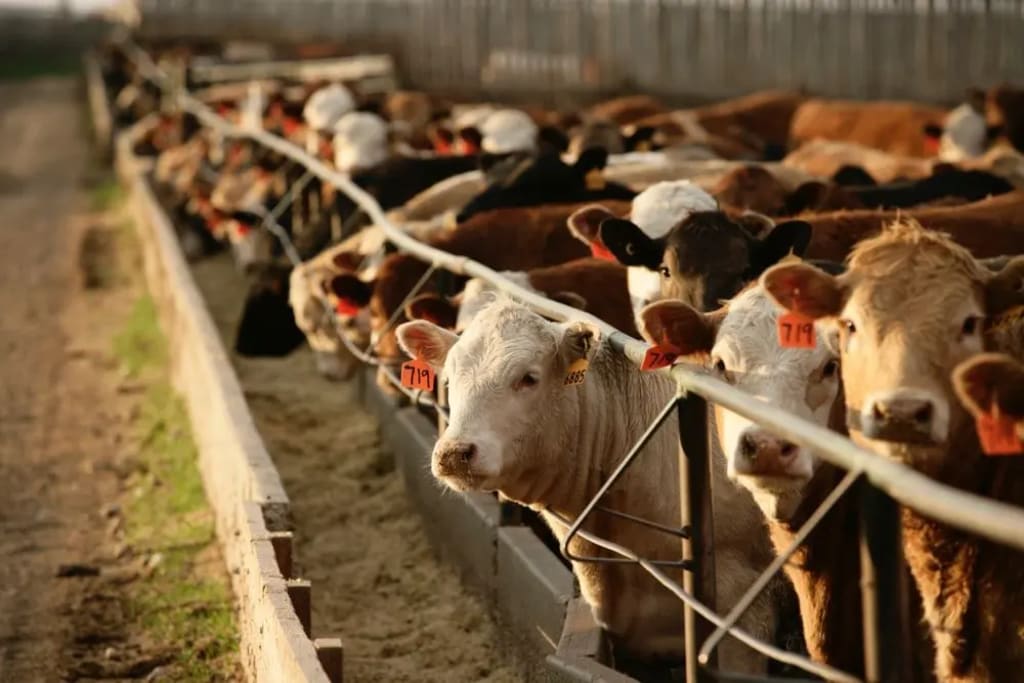
Cattle ranching involves the breeding and raising of cows, bulls, and calves primarily for meat (beef), dairy products, or other byproducts such as leather. Traditionally, this industry was dominated by family-owned farms passed down through generations. However, globalization, climate change, and technological innovation have redefined cattle ranching, creating space for new investors and business models.
An investor today doesn’t necessarily need to own thousands of acres of pasture. Instead, they can take a more hands-off approach—partnering with established ranches or investing in cattle cooperatives. In this regard, institutions like ghaffar farm offer a useful reference point for how modern ranching operations are structured, managed, and monetized.
What Makes Cattle Ranching Profitable?
Profitability in cattle ranching hinges on several variables:
1. Efficient Breeding and Genetics
High-yield breeds with fast growth rates and strong immunity fetch better market prices. Artificial insemination and selective breeding practices can help improve herd quality over time.
2. Feed and Nutrition Management
Proper nutrition impacts not just growth, but also fertility and resistance to disease. Many ranches today employ veterinary nutritionists and monitor feeding programs digitally to minimize waste and optimize costs.
3. Animal Health and Welfare
Veterinary oversight and ethical handling practices are crucial not only for animal welfare but also for investor confidence. Many consumers now prefer meat and dairy products that come from farms practicing humane treatment.
4. Sustainable Land Use
Rotational grazing, reforestation, and organic farming techniques can minimize environmental degradation. Forward-thinking ranches are integrating sustainable land management practices that reduce emissions while improving long-term profitability.
Risks to Consider
Like any investment, cattle ranching is not without its challenges. Investors need to assess risk carefully before committing capital.
1. Market Volatility
Prices for beef and dairy products are susceptible to global demand, trade restrictions, and local supply chain issues. Fluctuating market prices can significantly affect revenue.
2. Climate Change
Unpredictable weather, droughts, and floods can severely impact cattle health and feed availability. Farms that invest in water management and alternative fodder sources may be more resilient.
3. Disease Outbreaks
Livestock are vulnerable to contagious diseases such as foot-and-mouth disease, brucellosis, or bovine tuberculosis. Outbreaks can halt operations and lead to massive losses.
4. Regulatory Hurdles
Environmental and animal welfare regulations can vary by region. Investors must understand the legal landscape and compliance costs associated with operating or partnering with a ranch.
The Role of Technology in Modern Ranching
The integration of digital tools is transforming the cattle industry. Many modern ranches use remote monitoring systems, smart collars with GPS tracking, and AI-driven health diagnostics to manage herds efficiently.
Data analytics are also playing a crucial role in optimizing breeding cycles, feeding schedules, and grazing patterns. These tools not only improve animal welfare but also contribute to higher yields and cost savings—making the investment more appealing to data-savvy stakeholders.
Ethical Considerations in Cattle Ranching
As the livestock industry grows, so do concerns about its ethical implications. Investors today are more likely to factor in sustainability and animal welfare when deciding where to allocate their money.
Practices such as free-range grazing, antibiotic-free rearing, and zero-tolerance policies for cruelty are not just moral choices—they’re increasingly becoming market expectations. Farms like ghaffar farm that appear to align with ethical and sustainable values may be better positioned in this regard.
Diversifying Within Livestock Investment
While cattle ranching offers promising returns, many investors look to diversify their agricultural portfolios. Some may combine cattle with poultry, fish farming, or organic crop cultivation. Others may invest in value-added production—such as dairy processing or meat packaging—to maximize profitability across the supply chain.
Furthermore, the rising interest in alternative proteins—like lab-grown meat or plant-based substitutes—also opens the door to hybrid investment models. Cattle ranching can serve as a stable foundation within a more diversified agri-investment strategy.
Remote and Passive Investment Models
Not all investors want to be hands-on ranchers. A growing number of people are seeking passive investment options, wherein they provide capital and receive returns without managing daily operations. This could include:
- Equity in private ranches
- Livestock co-ownership or leaseback arrangements
- Agricultural real estate investment trusts (Agri-REITs)
In such cases, due diligence is critical. Reviewing a ranch’s management practices, reputation, and sustainability credentials—as seen in transparent models like ghaffar farm—can provide essential insights before investment.
Investment Timeline and Expected Returns
Cattle ranching is generally considered a medium- to long-term investment. From breeding to sale, cattle usually require 18–24 months to reach market readiness. Dairy operations may start generating income earlier, depending on infrastructure.
Returns vary widely based on operational efficiency, market access, and overhead costs. While some investors may see returns in the range of 8–15% annually, others may experience slower growth due to market or climate-related challenges.
What to Look for Before Investing
If you’re considering investing in a cattle operation, here are a few essential checkpoints:
Track record of the ranch – How long has it been operating? What are its past performance metrics?
Transparency – Does the operation provide data or regular updates on herd health, productivity, and finances?
Sustainability credentials – Are ethical practices in place for animal welfare and environmental impact?
Access to markets – Is there a steady buyer network, or does the farm rely on volatile spot markets?
Whether it’s a large-scale operation or a niche sustainable ranch like ghaffar farm, clear communication and verified business models make all the difference.
Final Thoughts
Cattle ranching, once viewed as a labor-intensive rural endeavor, has matured into a viable investment class driven by data, ethics, and sustainability. For investors who understand the landscape—both the opportunities and the risks—the returns can be substantial. Ranches like ghaffar farm offer an example of how modern livestock operations are evolving to meet new demands, both from consumers and investors.
Yet, it’s crucial to move forward with a balanced perspective. This industry, while promising, requires patience, due diligence, and a willingness to embrace the challenges of land, livestock, and long-term stewardship. For those ready to engage thoughtfully, cattle ranching might just be one of the more rewarding agricultural investments of our time.
About the Creator
Roy
I am a professional content writer.
No Power or Water and -19°C: Kyiv Seeks Relief from Russian Strikes and Cold
Kyiv is facing a winter of unprecedented hardship, as Russian missile strikes continue to ravage the city’s infrastructure while plummeting temperatures push residents to the brink. With temperatures dropping as low as -19°C, the capital of Ukraine is struggling to provide basic necessities like heat, electricity, and water to millions of its citizens, highlighting both the human cost of war and the resilience of a population under siege. The ongoing Russian attacks have targeted critical infrastructure, leaving swathes of Kyiv without electricity and water for days at a time. Energy facilities, power grids, and water treatment plants have been repeatedly hit, exacerbating the already severe winter conditions. For residents, the combination of cold weather and a lack of utilities has created a life-threatening situation. Families are relying on makeshift heating methods, from wood stoves to improvised electric heaters, while authorities scramble to provide temporary shelters and emergency relief. Local authorities in Kyiv are under immense pressure to respond. City officials have activated emergency protocols, opening warming centers and providing water trucks for areas cut off from the municipal supply. Volunteers are delivering fuel and blankets, while international organizations have pledged aid, though logistics remain challenging in a city facing ongoing military threats. The Ukrainian government has emphasized the need for international support, calling on allies to provide both humanitarian assistance and diplomatic pressure to prevent further attacks on civilian infrastructure. The humanitarian impact of this crisis is profound. Hospitals are operating under strained conditions, with some forced to rely on generators to maintain critical care, including for patients undergoing dialysis, neonatal care, or surgery. Schools have had to adjust schedules or temporarily close, further disrupting the lives of children. Residents report that basic tasks, such as fetching water, preparing meals, or keeping children warm, have become daily struggles. The psychological toll is also evident, as families cope with fear, uncertainty, and the constant threat of further attacks. The cold itself is a formidable adversary. Temperatures of -19°C are well below freezing, putting vulnerable populations—particularly the elderly, children, and those with preexisting health conditions—at significant risk. Frostbite, hypothermia, and respiratory illnesses are rising concerns. Medical experts warn that the combination of physical hardship, stress, and lack of access to health services could have long-term health consequences for the population if the crisis persists. Despite the dire situation, the spirit of Kyiv’s residents has shown remarkable resilience. Community initiatives have sprung up, with neighbors helping each other stay warm, share supplies, and look after those most vulnerable. Local businesses and NGOs have coordinated relief efforts, setting up temporary shelters and food distribution points. International media have highlighted these stories of solidarity, illustrating how ordinary citizens continue to support one another even amid the dual threats of war and winter. The broader geopolitical context cannot be ignored. Analysts note that targeting civilian infrastructure in winter is a calculated strategy, designed to demoralize populations and strain government resources. Kyiv’s ability to maintain essential services, mobilize emergency response, and keep residents alive under these conditions has become a critical factor in the ongoing conflict. Meanwhile, global attention to the humanitarian crisis has pressured both governments and organizations to respond more effectively, emphasizing the intersection of warfare, human rights, and climate challenges. The situation in Kyiv also underscores the importance of energy security and infrastructure resilience. Experts argue that rebuilding efforts in Ukraine will need to focus not just on restoring utilities, but on creating systems that can withstand both military and environmental threats. Investments in decentralized energy, emergency water supply systems, and community preparedness could mitigate the impact of future crises. As Kyiv faces this harsh winter, the city’s residents and leaders are navigating a precarious balance between survival and resistance. Relief efforts continue, but the combination of freezing temperatures and ongoing attacks means that every day presents a new challenge. The story of Kyiv is one of both vulnerability and courage, reflecting the human cost of conflict and the extraordinary lengths communities go to preserve life and dignity in the face of adversity. For the world watching, Kyiv’s crisis is a stark reminder that war does not pause for winter. It also underscores the urgent need for global solidarity, humanitarian aid, and robust infrastructure planning, to ensure that populations under siege are not left to endure freezing nights in darkness and silence.
By Fiaz Ahmed Brohi4 days ago in Journal
Miss Persephone's Manual to a Seemingly Ordinary Life
Miss Persephone was found at the dining table, her blue eyes swollen, her tears arriving and retreating like the tides of the ocean. Earlier that day, her family had visited her in the retirement home where she had lived for eight years. It was her eightieth birthday.
By Imola Tóth3 days ago in Fiction



Comments
There are no comments for this story
Be the first to respond and start the conversation.