



Introduction to Cathlabs
Sunil Kumar
Cathlab introduction
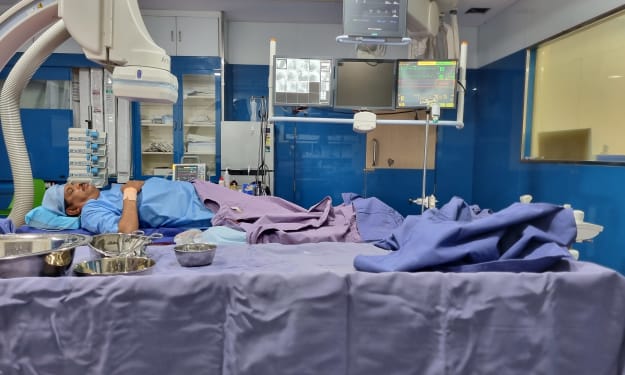
A catheterization laboratory, commonly known as a cath lab, is a specialized medical facility that is equipped with diagnostic imaging equipment and other specialized medical devices used to perform minimally invasive procedures on the heart and other blood vessels.
The cath lab is a sterile environment where cardiologists and other medical professionals perform a variety of procedures, such as angiograms, angioplasty, stent placements, and other minimally invasive procedures. These procedures are used to diagnose and treat a range of cardiovascular conditions, including heart disease, blockages in blood vessels, and other heart-related issues.
The cath lab is typically staffed by a team of highly trained medical professionals, including cardiologists, nurses, technologists, and other support staff. The procedures performed in the cath lab are typically done on an outpatient basis, and patients are often able to return home on the same day as the procedure.
The use of cath labs has revolutionized the diagnosis and treatment of heart disease, allowing doctors to perform complex procedures with minimal risk to the patient. Cath labs are now an essential component of modern healthcare, and their use continues to expand as new techniques and technologies are developed.
Cathlab Procedures.
Sunil Kumar
Cathlab procedures
A Catheterization Laboratory, or Cath Lab, is a specialized room in a hospital where doctors perform diagnostic and therapeutic procedures on patients using catheters and other specialized equipment. Cath Lab procedures involve the use of a catheter, a thin, flexible tube, that is inserted into a blood vessel and guided to the heart or other organs to diagnose and treat a variety of conditions.
Some common Cath Lab procedures include:
Cardiac Catheterization: This procedure is used to diagnose and treat heart conditions. A catheter is inserted into an artery in the groin or arm and guided to the heart. A dye is then injected into the catheter, which allows the doctor to see the flow of blood through the heart and identify any blockages.
Angioplasty: Angioplasty is a procedure used to treat blocked or narrowed arteries. A catheter with a tiny balloon on the end is inserted into the blocked artery and inflated, which opens up the artery and restores blood flow.
Stenting: A stent is a small mesh tube that is used to keep an artery open after angioplasty. The stent is inserted into the artery using a catheter and expands to keep the artery open.
Pacemaker Implantation: A pacemaker is a small device that is implanted under the skin of the chest to help regulate the heart's rhythm. The device sends electrical signals to the heart to keep it beating at a regular pace.
Ablation: Ablation is a procedure used to treat certain heart rhythm disorders. A catheter is inserted into the heart and guided to the area that is causing the abnormal rhythm. The area is then treated with heat or cold to destroy the tissue and restore a normal heart rhythm.
Embolization: Embolization is a procedure used to block blood flow to a specific area of the body. A catheter is inserted into the artery that supplies blood to the area and tiny particles are injected into the catheter to block the blood flow.
Cath Lab procedures are typically performed by interventional cardiologists, radiologists, and other specialists who have received advanced training in these techniques. The procedures are generally safe and effective, but there are some risks, such as bleeding, infection, and damage to blood vessels or organs. Patients should discuss the risks and benefits of Cath Lab procedures with their healthcare provider before undergoing any procedure.
Cathlab instruments and procedures.
Sunil Kumar
Cathlab procedures instruments
Cathlab (short for cardiac catheterization laboratory) procedures involve the use of specialized medical instruments and equipment. Here are some of the instruments and equipment commonly used in Cathlab procedures:
Catheters: Thin, flexible tubes inserted into blood vessels to deliver contrast dye or perform various diagnostic or therapeutic procedures.
Guidewires: Thin, flexible wires used to guide catheters to the desired location within the blood vessels.
Balloon catheters: Catheters with an inflatable balloon at the end that can be used to dilate narrow or blocked blood vessels.
Stents: Small, metal mesh tubes used to hold open narrow or blocked blood vessels.
Angiography machines: X-ray machines used to visualize the blood vessels and guide the catheters to the correct location.
Ultrasound machines: Used to visualize the blood vessels and internal organs.
Pressure transducers: Used to measure blood pressure within the heart and blood vessels.
Hemostasis devices: Used to control bleeding from the puncture site after the procedure.
Anesthesia equipment: Used to administer local anesthesia or conscious sedation to the patient.
Monitoring equipment: Used to monitor the patient's vital signs during the procedure.
About the Creator
Keep reading
More stories from Sunil Kumar and writers in Journal and other communities.
WHAT IS ANGIOGRAM
Angiogram Procedure Explanation An angiogram is a medical imaging technique that allows doctors to visualize the blood vessels in your body. This procedure involves injecting a contrast dye into your bloodstream and then taking X-ray images or other scans of the blood vessels.
By Sunil Kumar3 years ago in Education
Global Stocks Slide as Trump’s Greenland Message Sparks Market Panic and Trade War Fears
Global financial markets woke up to a shockwave on Monday morning as investors digested an extraordinary message attributed to U.S. President Donald Trump, linking his long-standing desire to take control of Greenland to his failure to win the Nobel Peace Prize.
By Omasanjuwa Ogharandukun3 days ago in Journal



Comments
There are no comments for this story
Be the first to respond and start the conversation.