
Cashless Revolution: How Payment Kiosks Are Driving Contactless Transactions Globally
Why Payment Kiosks Are Becoming Essential
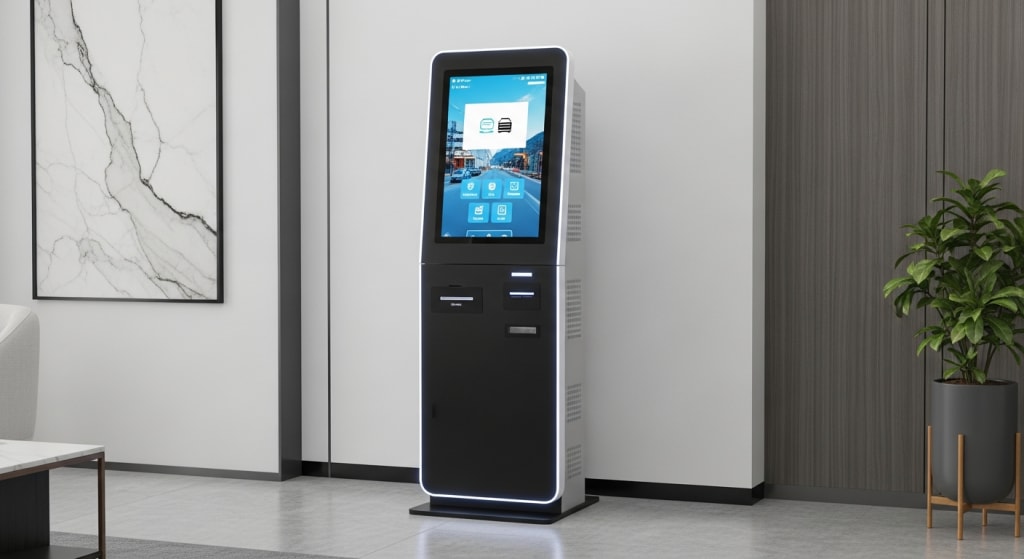
The global shift toward cashless payments has accelerated rapidly over the past few years. As people seek safer, faster, and more convenient ways to pay, businesses are adopting new technologies to meet these expectations. One major driver of this transformation is the payment kiosk—a smart, automated solution that allows users to complete transactions without handling physical cash or interacting directly with staff. Today, these advanced kiosk machines are redefining how the world pays, making contactless transactions more accessible, secure, and efficient than ever.
The Rise of the Cashless Economy
A cashless economy is no longer just a futuristic concept. Countries across the world—from the UAE to Singapore, Europe, and North America—are actively promoting digital payments. The pandemic further accelerated this shift, as consumers began preferring touch-free options for hygiene and convenience. In this environment, the payment kiosk gained immense popularity due to its ability to support multiple cashless payment methods, including cards, QR codes, mobile wallets, and NFC.
As consumers continue to embrace digital transactions, businesses are upgrading their infrastructure to keep up. This is where kiosk technology takes center stage.
Why Payment Kiosks Are Becoming Essential
Modern kiosk machines are designed to make the payment process seamless, user-friendly, and automated. Their ability to operate independently without human intervention makes them ideal for busy environments such as shopping malls, hospitals, transport hubs, retail stores, and government service centers.
Here are some key reasons behind the global surge in payment kiosk adoption:
1. Contactless Convenience
Payment kiosks support a wide range of cashless methods, enabling customers to pay with a simple tap or scan. This eliminates the need for physical cash handling, reducing the risk of contamination while improving overall hygiene standards.
2. Faster, Efficient Service
Long queues are one of the biggest pain points in service-based industries. A payment kiosk streamlines service delivery by processing payments quickly and accurately. This leads to shorter waiting times and higher customer satisfaction.
3. 24/7 Accessibility
Unlike human-operated counters, kiosks can work around the clock. This is especially valuable for businesses such as parking facilities, utility bill centers, cinemas, and transport stations where people expect self-service options at any time of the day.
4. Reduced Operational Costs
By automating transactions, businesses can reduce staffing needs and reallocate manpower to more important functions. A single kiosk machine can handle hundreds of transactions daily with minimal downtime.
How Payment Kiosks Enable Contactless Transactions
The technology behind payment kiosks has evolved rapidly. Today, they offer a range of features that make cashless payments smooth and secure.
Multi-Payment Support
Most modern payment kiosks accept:
Debit/credit cards
NFC-enabled devices (Apple Pay, Google Pay, Samsung Pay)
UPI and QR code payments
Mobile wallets
Prepaid cards or tokens
This flexibility ensures that customers from different regions and with different payment preferences can use the kiosk effortlessly.
Secure, Encrypted Transactions
Security is crucial in any digital payment system. Payment kiosks use encrypted payment gateways and PCI-compliant hardware to protect sensitive financial data. Many kiosks also come with biometric authentication and OTP verification for added security.
Real-Time Processing
Transactions completed on a payment kiosk are processed instantly, offering customers immediate confirmation. This reduces errors and eliminates the waiting time associated with manual verification.
Industries Transformed by Payment Kiosks
Payment kiosks are making a strong impact across various sectors. Their versatility and convenience make them ideal for nearly any business environment.
Retail
Retailers use payment kiosks to offer customers self-checkout options, reducing long queues during peak hours. These kiosks also support loyalty programs and digital receipts.
Parking & Transport
In parking lots and public transport stations, kiosks enable contactless ticketing and payment, minimizing congestion and improving daily operations.
Hospitality & Restaurants
Hotels use payment kiosks for check-ins, bill settlements, and room upgrades. Quick-service restaurants (QSRs) integrate payment kiosks with self-ordering systems to provide a seamless customer experience.
Healthcare
Hospitals and clinics use payment kiosks to automate patient registrations and bill payments, reducing administrative workload.
Government Services
From utility bill payments to license renewals, kiosks make public services more accessible, efficient, and transparent.
The Role of Data and Automation
One major advantage of modern kiosk machines is their ability to collect and process data. Through built-in software analytics, kiosks provide businesses with insights on:
Peak usage times
Popular payment methods
User behavior
Service performance
These insights help businesses optimize operations, plan staffing, and enhance customer experiences.
Automation also minimizes human errors and ensures accurate, consistent transactions. Kiosks can be integrated with backend systems to update records instantly, making them a powerful tool for digital transformation.
Driving Financial Inclusion Worldwide
Payment kiosks are also helping bridge the gap for unbanked and underserved communities. In regions where banking infrastructure is limited, kiosk machines offer a reliable and convenient way for people to pay bills, recharge mobile phones, or access financial services through digital wallets.
This makes the cashless revolution more inclusive and accessible to everyone.
The Future of Contactless Payment
As technology continues to advance, we can expect even smarter payment kiosks featuring AI, facial recognition, voice assistance, and biometric authentication. These upgrades will make kiosks even more intuitive, secure, and efficient.
With global demand for cashless solutions on the rise, payment kiosks will continue to play a critical role in shaping the future of digital transactions.
Conclusion
The shift toward a cashless world is happening faster than ever, and payment kiosks are at the heart of this transformation. By offering secure, contactless, and user-friendly payment options, these kiosk machines are redefining how people transact globally. As businesses and governments continue adopting digital solutions, payment kiosks will remain a key driver of the global cashless revolution—making payments safer, faster, and more convenient for everyone.
About the Creator
Keep reading
More stories from Athulya Ns and writers in Journal and other communities.
Indoor vs. Outdoor Kiosk Machines: Which One Is Right for You?
Modern businesses rely heavily on technology that improves customer experience, reduces operational load, and delivers seamless service. Among these innovations, the kiosk machine has become a vital tool across industries—from retail and transportation to entertainment and government services. But choosing the right type of kiosk can be challenging, especially when deciding between indoor and outdoor models. Each has its purpose, features, and ideal use cases. Understanding these differences ensures your investment aligns with your operational needs.
By Athulya Ns2 months ago in Journal
The goals I did not achieve
Every writing goal I made for the year is a wash. It has been this way for a while, but I think it's important to be open about my failures and the reality of how life can get in the way. This is especially true considering the several times I have posted on Vocal about my writing goals, how I was changing my approach, and where I was hoping to be for the upcoming year. I will probably do that again in a couple months, but for now, it is time to acknowledge where I am today.
By Kay Husnick17 days ago in Journal
Evaluating Technical Staffing Proposals in 2026
Full Introduction As of early 2026, the technical staffing landscape has shifted from a volume-based model to a precision-focused, skills-based paradigm. Evaluating a staffing proposal today requires more than a simple comparison of hourly rates; it demands a deep dive into the vendor’s integration of AI, their ability to verify technical depth in an era of AI-polished resumes, and their alignment with your specific engineering culture. A high-quality proposal in 2026 should move beyond simple headhunting to demonstrate how the agency will reduce your time to productivity and ensure long-term retention in a highly fluid labor market.
By Abdul Mueed6 days ago in Journal




Comments
There are no comments for this story
Be the first to respond and start the conversation.