
Cash Drawer Basics: Features, Usage, and Maintenance
Essential overview of cash drawer features, daily operation, security handling, and basic maintenance for reliable performance in retail and POS environments.

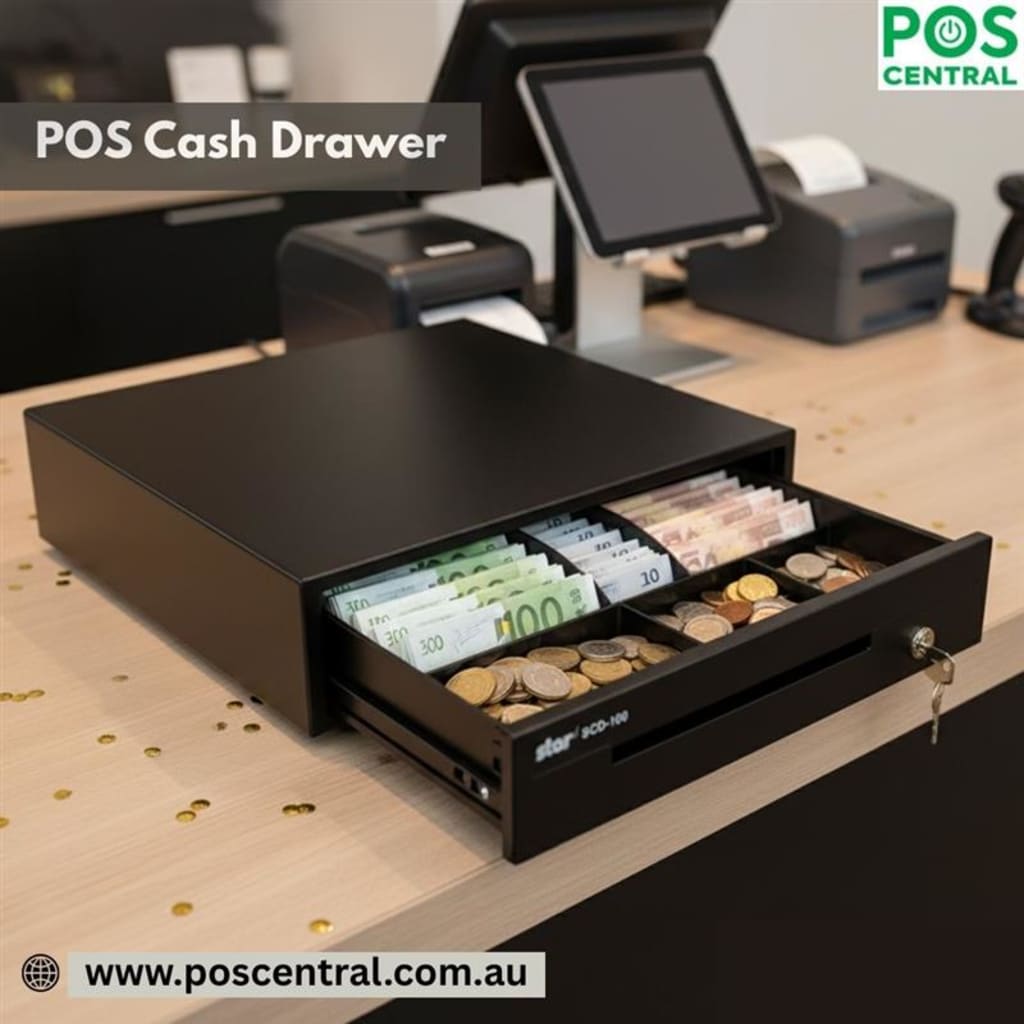
Handling cash smoothly is still an important part of daily business operations. Whether it’s a small retail shop, a food counter, or a service desk, a cash drawer plays a quiet but essential role. While it may seem like a simple box, it supports accuracy, security, and speed at the counter.
This guide explains cash drawer basics in a clear and practical way. You’ll learn what a cash drawer does, its main features, how it’s used in everyday work, and how to maintain it for long-term reliability.
What Is a Cash Drawer?
A cash drawer is a storage unit used to keep paper currency, coins, and sometimes receipts. It usually sits below or beside the counter and opens when a transaction is completed or when staff need access to cash.
Its main purpose is simple: to keep money organized, secure, and easy to access during sales.
Even in businesses that accept digital payments, cash drawers remain useful for handling cash transactions, refunds, or emergency situations.
Why Cash Drawers Still Matter Today
Many people assume cash is becoming less important, but cash drawers still serve a vital role.
They help businesses:
- Organize cash clearly
- Reduce counting mistakes
- Improve checkout speed
- Support accountability between shifts
- Protect money from unauthorized access
A reliable cash drawer brings order to daily transactions, especially during busy hours.
Key Features of a Cash Drawer
Understanding the main features helps businesses choose and use cash drawers effectively.
1. Organized Compartments
Cash drawers include separate sections for notes and coins. This layout helps staff count money quickly and return change accurately.
2. Locking System
Most cash drawers include a lock to control access. This helps prevent theft and ensures only authorized staff can open the drawer.
3. Smooth Opening and Closing
A good cash drawer opens and closes smoothly without sticking. This reduces delays at checkout and avoids damage over time.
4. Strong Build
Cash drawers are usually made from metal or strong materials. This protects the contents and allows the drawer to handle daily use.
5. Compact Design
They are designed to fit neatly under counters or beside registers without taking up much space.
How Cash Drawers Are Used in Daily Operations
Cash drawers support many everyday tasks, not just sales.
During Transactions: When a sale is completed, the drawer opens so cash can be placed inside. Notes and coins go into their assigned sections, keeping everything neat.
Shift Changes: At the start or end of a shift, staff count the cash in the drawer. This helps track sales and avoid confusion between employees.
Refunds and Exchanges: Cash drawers allow quick access to money when customers request refunds or exchanges.
End-of-Day Closing: At closing time, cash is counted, recorded, and removed. The drawer is then locked or prepared for the next business day.
Common Places Where Cash Drawers Are Used
Cash drawers are found in many business types, including:
- Retail stores
- Grocery shops
- Cafes and restaurants
- Pharmacies
- Service counters
- Ticket booths
Anywhere cash changes hands regularly, a cash drawer helps keep operations organised.
Simple Tips for Using a Cash Drawer Effectively
Using a cash drawer properly reduces mistakes and stress.
- Always place notes facing the same direction
- Keep coins sorted in the correct slots
- Close the drawer gently, not forcefully
- Avoid placing personal items inside
- Count cash at regular intervals
These habits save time and prevent small issues from becoming big problems.
Cash Drawer Maintenance: Why It Matters
Like any frequently used item, a cash drawer needs basic care. Regular maintenance helps it last longer and function smoothly.
A poorly maintained drawer can:
- Stick or jam
- Misalign compartments
- Cause delays at checkout
- Increase security risks
Simple care can prevent these issues.
Easy Maintenance Practices
1. Clean Regularly: Dust, paper bits, and dirt can build up inside. Wipe the compartments and inner surface using a dry or lightly damp cloth.
2. Check the Lock: Ensure the lock works smoothly. If it feels stiff, gentle cleaning usually helps.
3. Avoid Overloading: Do not overfill the drawer with cash or coins. Too much weight can affect movement and alignment.
4. Inspect Moving Parts: Occasionally check that the drawer slides easily without resistance.
5. Handle With Care: Avoid slamming the drawer shut. Gentle use reduces wear and tear.
Signs a Cash Drawer Needs Attention
Pay attention to early warning signs:
- Drawer does not open smoothly
- Lock feels loose or stiff
- Drawer sticks or tilts
- Compartments shift out of place
Addressing these signs early prevents downtime and frustration.
Choosing the Right Cash Drawer for Your Business
When selecting a cash drawer, focus on practicality rather than complexity.
Consider:
- Counter space available
- Daily transaction volume
- Need for basic security
- Ease of use for staff
A simple, durable drawer often performs better than an overly complex one.
A cash drawer may seem like a small part of a business setup, but it plays a big role in daily operations. It keeps money organised, supports faster service, and adds a layer of security without complexity.
By understanding its features, using it correctly, and maintaining it regularly, businesses can avoid common cash-handling issues and create smoother checkout experiences.
Sometimes, it’s the simplest tools that make the biggest difference.
Frequently Asked Questions About Cash Drawers
Do all businesses need a cash drawer?
Any business that accepts cash benefits from having one. It supports accuracy and accountability.
Can one cash drawer be shared?
Yes, but tracking is easier when drawers are assigned per shift or per counter.
How long does a cash drawer last?
With proper use and basic maintenance, a cash drawer can last many years.
About the Creator
Will Smith
Hey, I’m Will Smith — a London-based blogger, traveller, & digital marketing expert. I’ve led multiple eCommerce projects. Managing marketing at POS Central UK, a branded POS hardware products supplier & service provider. poscentral.co.uk
Keep reading
More stories from Will Smith and writers in Journal and other communities.
Why B2B Retailers Prefer the Star Micronics TSP143IIIU USB Printer
In today’s fast-paced retail and hospitality environments, speed, reliability, and simplicity define success at the checkout counter. UK-based B2B businesses are no exception. Whether you’re running a high-volume supermarket, a bustling café, or managing multiple retail outlets, the right receipt printer can make a world of difference. Among the top contenders, the Star Micronics TSP143IIIU USB printer stands out as a reliable workhorse trusted by retailers across the country.
By Will Smith4 months ago in Journal
From ad men to mad men
It's after 2am in the morning when a local police patrol vehicle in Northern New Jersey spots a figure costumed as Quasimodo, The Hunchback of Notre Dame, proceeding southbound on the sidewalk along Lydecker Street. Though the hunchback’s costume stuffing offers added insulation, it's January, and friggin’ freezing. Carefully, the officers slow down, gently question the subject, and offer him a ride home.
By David W. Maury7 days ago in Humor


Comments
There are no comments for this story
Be the first to respond and start the conversation.