
Carton of Cigarettes: Overview, Design, Market in Houston / USA
Custom Boxes & Packaging Manufacturer

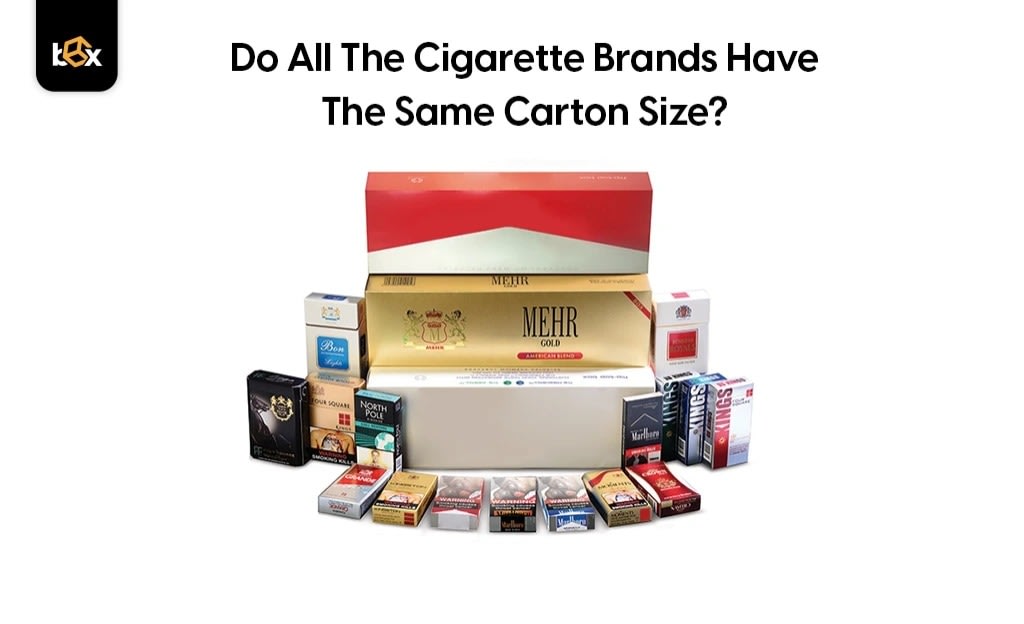
Cigarette packaging is more than just a protective cover. It plays a crucial role in branding, marketing, legal compliance, and consumer perception. In the United States, packaging is also shaped by federal regulations, state laws, and local considerations—Houston being a major market where regulations and retailer enforcement matter. This article covers the design, materials, structure, law, and trends in cigarette packaging (including cartons) for the US market.
Purpose and Role of Cigarette Packaging
Cigarette packages serve multiple functions:
- Protection and Preservation: Shielding cigarettes from moisture, damage, and environmental exposure to preserve flavor and integrity.
- Brand Identity and Differentiation: Logos, color schemes, typography, finishes, and structure (flip-top, soft pack, rigid) communicate quality, heritage, or modernity. Consumers in metropolitan areas like Houston often see many brands; distinct packaging helps stand out in stores such as convenience stores, supermarkets, and smoke shops.
- Legal Compliance and Health Warnings: In the US, cigarette packs are governed by federal laws (like the Tobacco Control Act) and Food and Drug Administration rules; these require warning labels, specific text (e.g., “WARNING: Cigarettes are addictive”), placement, font size, and sometimes graphic warnings.
- Logistics and Cost Efficiency: Design of the carton that holds multiple packs, ease of stacking, shipping durability, material cost, etc.
- Consumer Experience: How easy it is to open, how the pack feels, finishes (matte, gloss), and overall unboxing/noticing effect in retail settings.
Types of Cigarette Packaging Structures
Several packaging structures are common in the US. Each has pros and cons for branding, cost, and compliance.
- Flip-Top Hard Box: Most common. Rigid lid, standard for many major brands. Durable and reusable. Offers space for branding, warnings, and structural integrity.
- Soft Pack: Flexible paper wrap, lighter, sometimes cheaper. More vulnerable to damage. Less space for rigid finishes but simpler printing.
- Rigid Drawer or Box With Tray: Premium or limited edition design. Often used for collectible or high-end cigarettes. Better for showcasing quality and structure but costs more in materials and production.
- Bulk Carton: The secondary packaging that holds multiple packs (often 10 packs) is called a carton. It must also comply with some warning and labeling rules. The carton is used for distribution, shipment, and some retail storage. The design of cartons must ensure they protect the individual packs and comply with storage, stacking, and shipping requirements.
- Eco/Kraft or Recycled Material Packs: Emerging as alternatives for brands marketed on sustainability. The structure may be simpler, finishes more minimal, but compliance and durability should still be high.
Materials Used in Packaging
- Material selection impacts cost, durability, appearance, and user experience.
- Paperboard/Cardboard: The standard substrate for flip-top boxes. Paperboard in the range of about 250-350 gsm (grams per square meter) is common. It offers good print quality.
- Rigid Board / Chipboard: Thicker board used for premium boxes, drawer style, or classic collector packs. Increases perceived value.
- Liners / Foils / Moisture Barriers: Inside pack may have foil or lining to protect cigarettes from moisture.
- Kraft/Recycled Paper: Used for sustainability. Natural appearance, sometimes uncoated or lightly coated, matte finish.
- Plastic Overwrap / Cellophane: Many packs are wrapped in cellophane or similar clear film for freshness. Overwrap also protects printed design until purchase.
- Finishing Materials: Inks (offset, UV), lamination (matte, gloss), spot UV, embossing, foil stamping. These affect the tactile and visual impression.
Dimensions, Pack Count, and Carton Structure
- Understanding dimensions and how many cigarettes or packs are in a carton is important for design, pricing, and regulatory compliance.
- Standard Pack Count: In the US, the typical cigarette pack contains 20 cigarettes.
- Carton Size: Usually a carton holds 10 packs, so generally 200 cigarettes. Design of the carton must accommodate these packs, ensure stacking strength, and have labeling suited for bulk packaging.
- Box Dimensions: Dimensions vary by brand and cigarette length (king size, 100’s, etc.), but US flip-top standard sizes tend to be around (approx.) 3.5 × 2.2 × 0.8 inches for 20-pack flip-top boxes. Retailers in Houston and across Texas are familiar with these standards. (Exact dimensions depend on brand and cigarette length.)
- Carton (Bulk Package) Dimensions: Must be designed for transport logistics, stacking, labeling for wholesale, safe handling, etc. These are usually proportional to pack size multiplied by count (10 packs). Design should include carton graphics, barcodes, warnings, and possibly handling instructions.
Legal & Regulatory Requirements in the United States
When designing cigarette packaging for US markets, including Houston, certain legal requirements must be followed:
- The Federal Cigarette Labeling and Advertising Act mandates specific warning statements (e.g., “Cigarettes are addictive”).
- FDA rules require warnings on both front and rear panels, with certain typeface, size, color contrast, and location. For example, warnings must appear directly on the pack, including under any overwrap.
- The Tobacco Control Act updated warning labeling requirements and prohibits misleading descriptors like "light" or "low tar" in packaging.
- The PACT Act regulates interstate sales, shipment, and tax compliance for cartons and packs. Any pack or carton shipped must comply with labeling, tax stamping, and regulatory reporting.
- Local Houston/Texas laws may impose additional regulations on retail display, advertising, or proximity restrictions (for example, smoke shops near schools). These affect how packaging and cartons are displayed in stores.
Design Visual Elements
After structural and legal groundwork, visual design gives personality. Key aspects include:
- Logo design and placement: Brand logo should be clearly visible yet balanced with required warning labels.
- Color palette: Colors influence perception—dark or metallic colors often denote premium or heritage appeal; lighter tones or kraft indicate natural or eco-conscious brands.
- Typography: Legible fonts in required font sizes for warnings; brand typeface should match the identity (modern, classic, sessional).
- Patterns, textures, and embossing: Subtle patterns, embossed logos or borders, foil stamping, and texture add tactile dimension.
- Photography or graphic elements: If permitted under regulations, artwork or motifs should avoid misleading imagery or claims. In US packaging currently, graphic warnings have been subject to legal challenge; textual warnings remain mandatory.
- Finish or coatings: Matte vs gloss lamination, soft touch coatings, metallic foils.
Carton Design: Bulk Packaging Considerations
When designing cartons (boxes that hold multiple packs), the following are essential:
- Durability: Cartons must protect individual packs, endure moving, stacking, shipping.
- Labeling and Warnings: Cartons often carry warning statements or manufacturer & distributor information. The required warnings on cartons must be visible and under any wrapping or shrink-wrap.
- Efficiency and Cost: Reducing material waste, optimizing space, ensuring that cartons stack well in retail and distribution centers.
- Handling Features: Handles, perforations, or easy-open features may be added for convenience in large cartons.
- Retail Display: In Houston, many retailers (convenience stores, supermarkets) display cartons before they are opened; visual design of top flaps or ladder displays can help branding visibility even when cartons are closed.
Process for Designing Cigarette Packaging
A structured design process ensures both creative quality and legal compliance.
- Research & Planning: Understand target market, competitor packaging, regulatory requirements (federal + state + local).
- Concept Sketches / Mood Boards: Collect visual inspiration, define color, type, structure styles (flip-top, soft pack, rigid).
- Structural Design / Dieline Creation: Generate dieline templates for specific pack sizes and for cartons. Include folding lines, glue areas, overwrap allowance, etc.
- Material and Finishes Selection: Paperboard type, coating, overwrap, foils, embossing etc.
- Artwork and Layout: Apply logo, typography, warnings, graphics. Ensure warnings meet the legal text and percentage requirements.
- Prototype Mockups: Digital 3D mockups or physical sample packs/cartons. Check fit, print clarity, folding, overwrap.
- Regulatory Review: Confirm compliance with federal laws (e.g. Federal Cigarette Labeling and Advertising Act), FDA health warning requirements, state laws (Texas laws), local Houston ordinances if relevant.
- Final Production: Mass printing, packaging assembly, quality control (color, durability, warning placement, overwrap clarity).
- Distribution and Retail Display: Ensure the box/carton design performs well in stores and retail settings in Houston (lighting, shelf space, visibility).
Market and Regional Considerations in Houston, Texas
When designing cigarette packaging for Houston or broader Texas markets, additional considerations include:
- State Taxes and Stamps: Texas requires appropriate tobacco tax stamps and retail licensing; packaging design must allow space or integration for tax stamp application.
- Local Retail Environments: Convenience stores, gas stations, smoke shops in Houston often have tightly packed displays. Design visibility (logo, color contrast) matters for shelf recognition.
- Regulation Enforcement: Enforcement of warning label compliance is active in Texas. Designs that conceal warnings under overwrap or misplace warning text may lead to fines.
- Consumer Preferences: In major urban markets, some consumers may lean toward design that reflects premium quality, or even local cultural elements (colors, typography that resonate with local tastes).
- Shipping & Distribution: Cartons must comply with US interstate commerce rules, PACT Act, and regulations for mailing tobacco products if applicable.
Trends and Evolving Practices
Some recent and upcoming trends in cigarette packaging design and structure in the US include:
- Graphic Warning Labels: FDA proposed rules to require more prominent graphic warnings covering large portions (50%) of the front and rear panels of cigarette packs and certain warnings for cartons. These rules are under legal challenge and enforcement is in flux.
- Minimalist & Premium Finishes: Brands using matte finishes, soft-touch coatings, embossed logos, metallic foils.
- Sustainability: Use of recyclable materials, reduction of plastic overwrap, and more eco-friendly inks.
- Customization & Smaller Batches: Smaller brands using custom packaging in limited runs or promotional editions.
- State-Level Regulation Changes: Some states (including Texas) considering stricter display and marketing restrictions, which influence box/carton design.
Key Best Practices
Based on the above, these best practices are crucial when designing cigarette packaging (packs and cartons) for US / Houston markets:
- Always allocate proper space and contrast for federally required health warnings and text.
- Choose materials and finishes that survive handling, overwrap, heat, and humidity (common in Houston climate).
- Ensure that designs do not violate state or local laws (e.g., no misleading descriptors like "light" or "ultra-light").
- Design cartons to include required information and ensure they are stackable and durable for transport.
- Prototype and test before mass production, especially for color consistency and fold/perforation alignment.
- Stay updated with FDA rules and court rulings (graphic warnings, warning label sizes) because legal changes alter packaging requirements.
Summary and Conclusion
Cigarette packaging design and structure in the US involves balancing many factors: aesthetics, legal compliance, material performance, brand messaging, and regional preferences. Cartons add another layer of complexity due to bulk logistics, labeling, and shipping requirements.
For those designing packaging in Houston or elsewhere in the US market, paying attention to detail—from color and finish to warning label compliance and material durability—is essential. Well-structured packs and cartons can enhance brand perception, ensure legal compliance, minimize waste, and make logistical sense.
About the Creator
Delbert.Dee
I write and share insights on various types of businesses, with a primary focus on small business ideas, strategies, and growth opportunities. My content help entrepreneurs and startups build their presence and scale effectively.
Keep reading
More stories from Delbert.Dee and writers in Journal and other communities.
Cigarette Box Design Ideas: Creative, Modern & Sustainable Approaches
We interact with packaging every single day, and cigarette boxes are no exception. Whether displayed on store shelves, in pockets, or as part of a collector’s edition, the design of a cigarette box says much more than “this is where the cigarettes are.” It communicates brand identity, quality, lifestyle, and even values.
By Delbert.Dee4 months ago in Lifehack
SEO Isn’t Dead — It Just Changed: Insights from Ayub Ansary’s Conference Session
Search Engine Optimization (SEO) has been a cornerstone of digital marketing for over two decades, continuously adapting to the shifting sands of search engine algorithms, user behavior, and technological advancements. Despite periodic cries of its demise, SEO remains a vital channel for organic visibility and traffic acquisition. The recent conference session featuring Ayub Ansary provides fresh, data-backed perspectives that challenge the notion of SEO as a fading discipline. Instead, it reveals an industry in flux—one that demands new strategies and higher standards to thrive.
By Muhammad Al Arabiabout 8 hours ago in Journal


Comments
There are no comments for this story
Be the first to respond and start the conversation.