


Embarking on a long road trip is an exciting adventure, but ensuring your car is in top shape before hitting the road is essential. A well-maintained vehicle not only enhances safety but also prevents unexpected breakdowns that could disrupt your journey. This guide will walk you through a comprehensive car service checklist to help you prepare for your next long-distance drive.
1. Schedule a Full Vehicle Inspection
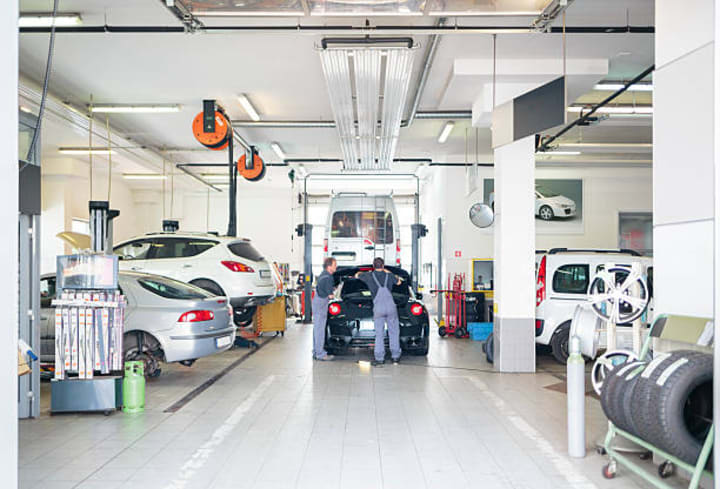
Before a long road trip, scheduling a complete vehicle inspection with a trusted mechanic is crucial. A professional will assess key components and ensure your car is roadworthy. Here’s what should be checked:
Brakes: Ensure brake pads and rotors are in good condition.
Fluids: Check and top up engine oil, coolant, brake fluid, power steering fluid, and transmission fluid.
Battery: Inspect the battery’s charge and connections.
Lights and Signals: Verify that all lights, including headlights, brake lights, and indicators, are functioning properly.
Wipers and Washer Fluid: Replace worn-out wipers and refill washer fluid for clear visibility.
2. Check Tire Condition and Pressure
Your tires are your car’s only contact with the road, so they must be in excellent condition. Follow these steps to ensure they are road-trip ready:
Tread Depth: Make sure your tires have adequate tread depth to provide sufficient grip, especially in wet conditions.
Air Pressure: Inflate your tires to the manufacturer’s recommended pressure levels for optimal fuel efficiency and performance.
Spare Tire: Confirm that your spare tire is in good shape and properly inflated.
Alignment and Balance: Get your wheels aligned and balanced to avoid uneven tire wear and steering issues.
3. Test the Battery and Electrical System
A dead battery can leave you stranded, so it’s vital to check its condition before traveling. Here’s how:
Battery Charge: Have a mechanic test the battery’s charge level and replace it if necessary.
Terminal Connections: Clean any corrosion on the battery terminals to ensure a strong connection.
Alternator and Starter: Ensure the alternator and starter are working properly to prevent electrical failures.
4. Change Engine Oil and Filters
Fresh engine oil helps maintain smooth engine performance and prevents overheating. Consider these steps:
Oil Change: If your oil is due for a change, get it done before your trip.
Oil Filter: Replace the oil filter to keep your engine running efficiently.
Air and Cabin Filters: Clean or replace the air filter to ensure proper airflow and fuel efficiency; replace the cabin filter for fresh air circulation.
5. Inspect the Cooling System
Long drives can put a strain on your car’s cooling system. Here’s how to keep it in check:
Coolant Levels: Check coolant levels and top up if needed.
Hoses and Radiator: Inspect for leaks, cracks, or wear in hoses and the radiator.
Thermostat: Ensure the thermostat is functioning properly to prevent overheating.
6. Examine the Braking System
Brakes are essential for safety on long drives. Here’s what to inspect:
Brake Pads and Rotors: Worn-out brake pads and rotors should be replaced.
Brake Fluid: Top up brake fluid if it’s low and check for leaks.
Handbrake: Ensure the handbrake is working properly for emergency situations.
7. Top Up Necessary Fluids
Fluids are vital for the smooth operation of various car components. Before your trip, check and top up the following:
Transmission Fluid: Ensures smooth gear shifting.
Power Steering Fluid: Helps with easy maneuvering.
Windshield Washer Fluid: Essential for maintaining clear visibility.
Brake Fluid: Maintains effective braking performance.
8. Pack an Emergency Kit
Even with proper servicing, emergencies can still happen. Keep an emergency kit in your car that includes:
First aid kit
Spare tire and tire-changing tools
Jumper cables
Flashlight and extra batteries
Basic toolkit (wrenches, screwdrivers, pliers)
Roadside flares or reflectors
Extra water and snacks
Phone charger and power bank
9. Test Drive Before the Trip
Take your car for a short test drive after servicing to ensure everything is functioning well. Listen for any unusual noises and pay attention to how the car handles.
10. Plan for Regular Checks During the Trip
While on the road, perform routine checks to ensure everything is running smoothly:
Check tire pressure and tread regularly.
Monitor engine temperature and fluid levels.
Listen for any unusual sounds from the engine or brakes.
Conclusion
A well-prepared car ensures a smooth and safe long road trip. By following this car service guide, you can minimize the risk of breakdowns and enjoy a stress-free journey. Prioritize safety, schedule necessary maintenance, and always be prepared for emergencies. Safe travels!
About the Creator
What I Noticed When Light Stopped Feeling Sharp
I never would have described the light around me as a problem. It was bright enough. Clean. Modern. Exactly what you expect in a well designed indoor space. If someone had asked me whether the lighting felt uncomfortable, I probably would have said no.
By illumipure4 days ago in Journal




Comments
There are no comments for this story
Be the first to respond and start the conversation.