
Capital One Banking Outage January 202, What Happened and How It Affected Customers
What Caused the Capital One Banking Outage in January 2025?

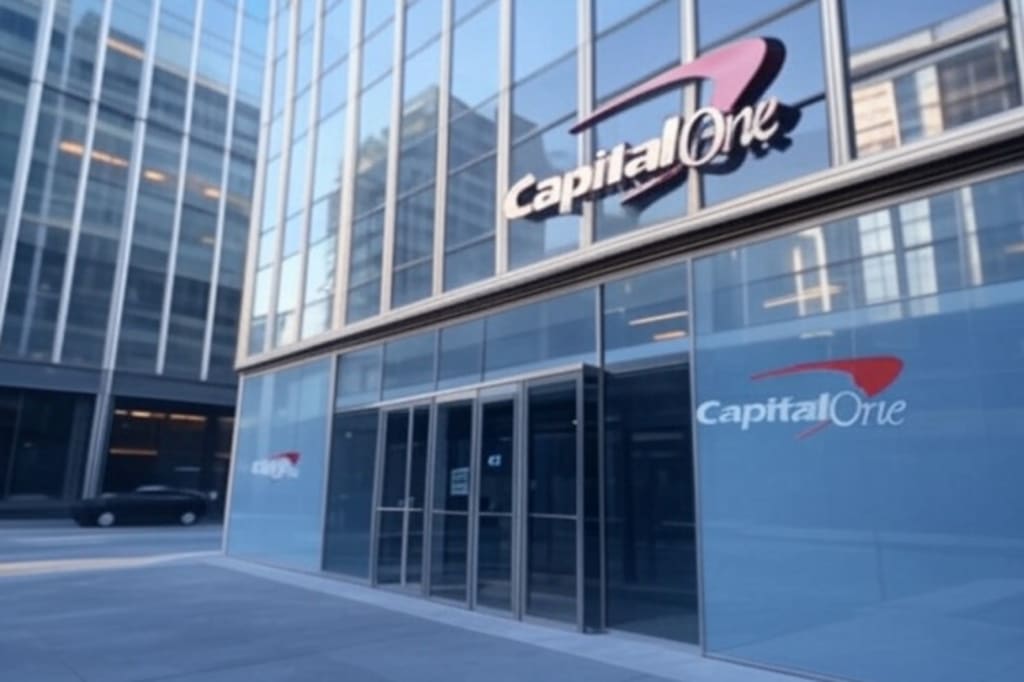
In a major disruption to Capital One customers, the banking outage in January 2025 left millions of people unable to access their accounts or perform transactions for several hours. This incident caused widespread frustration among users who rely on the bank for everyday financial activities, such as transfers, payments, and online banking. In this article, we’ll explore the details of the outage, its causes, and what Capital One is doing to ensure such an event doesn’t happen again.
What Caused the Capital One Banking Outage in January 2025?
On January 15, 2025, Capital One customers across the United States began experiencing difficulties accessing their online banking accounts. Many were unable to log in to the Capital One mobile app or website, while others reported issues with debit card transactions, and ATM access was also impacted.
The cause of the outage was initially unclear, but Capital One issued a statement attributing the issue to “technical difficulties with our core banking system”. As is common with such outages, the exact details of the issue were not immediately disclosed to the public. However, the bank promised to provide regular updates as the issue was being resolved.
The outage lasted for several hours, causing significant disruption for customers who depend on Capital One’s services for managing their finances. While the company’s support teams worked around the clock to restore functionality, the event raised questions about the reliability of digital banking systems.
Impact on Customers
The Capital One outage had a far-reaching impact on both personal and business customers, with complaints pouring in from various social media platforms and customer service lines. The issues included:
Online Banking Access: Many users were unable to log into their Capital One accounts, making it impossible to view their balances, pay bills, or transfer funds.
Debit and Credit Card Transactions: Customers reported being unable to make purchases using their Capital One debit or credit cards at point-of-sale terminals or online.
ATM Access: For customers who rely on ATMs to withdraw cash, several reported that they were unable to access their accounts, either through Capital One ATMs or machines at partner banks.
Delayed Transactions: Business customers and individuals alike found their scheduled bill payments and direct deposits delayed, causing a ripple effect of payment issues for utility bills, mortgages, and other time-sensitive transactions.
Customer Support Strain: As customers rushed to get answers, Capital One’s customer support lines were overwhelmed, with long wait times and limited access to real-time updates about the situation.
Capital One’s Response to the Outage
As the outage stretched on, Capital One took to its official social media channels and website to provide updates on the issue. In an official statement, the bank apologized for the inconvenience and assured customers that they were doing everything they could to restore service as quickly as possible.
The bank also acknowledged that many customers were experiencing delayed payments, including bill payments and direct deposits. They advised customers to check their accounts for updates once the system was back online and promised to provide compensation for any fees incurred as a result of the outage, including overdraft fees or missed payment penalties.
By late afternoon, Capital One confirmed that access to both its online platform and mobile app was being gradually restored. The system fully came back online after about six hours, allowing customers to regain access to their accounts and perform transactions once again.
What Caused the Disruption?
Although Capital One did not initially provide detailed information on what caused the outage, it was later revealed that the issue stemmed from a server malfunction in one of the bank’s data centers. This malfunction affected their core banking system, which in turn caused widespread issues with access to customer accounts and transactions.
As with many banking outages, the problem was exacerbated by the sheer number of users trying to access their accounts during the disruption. Capital One’s IT teams worked tirelessly to resolve the issue, but the size and complexity of modern banking systems can sometimes make recovery time longer than expected.
How Capital One is Handling the Aftermath
In the wake of the January 2025 banking outage, Capital One is facing scrutiny over the reliability of its online banking infrastructure. The incident has prompted the bank to reassess its backup systems and contingency plans in case of future outages.
As part of their response plan, Capital One has promised to:
Strengthen IT Infrastructure: Capital One announced it would invest in updating its server architecture and improving the redundancy of its systems to ensure smoother recovery in the event of future disruptions.
Offer Compensation: Customers who were directly affected by the outage will be compensated for any fees incurred during the outage period, including late fees, overdraft fees, or failed transactions.
Improve Communication: The bank has pledged to improve its communication strategy during technical disruptions to ensure customers are informed of any issues promptly and can receive updates in real-time.
Customer Support Enhancements: With call volumes spiking during the outage, Capital One plans to expand customer support teams and provide more self-service options, like automated chatbots and live updates on social media platforms.
Lessons Learned from the Capital One Outage
The January 2025 Capital One banking outage serves as a valuable reminder of the risks inherent in the digitalization of banking services. While many customers now expect to manage their finances through mobile apps and online platforms, technical failures can have widespread consequences, impacting everything from personal transactions to business operations.
Here are a few lessons learned from the outage:
Backup Systems Are Crucial: Financial institutions must ensure they have strong backup systems in place to mitigate the impact of disruptions.
Communication is Key: During any outage, transparent and timely communication with customers can help mitigate frustration and maintain trust.
Invest in Infrastructure: Continuous investment in IT infrastructure is necessary to prevent downtime and service disruptions.
Moving Forward After the Outage
While the Capital One banking outage of January 2025 was a challenging experience for many customers, it also highlighted the importance of robust and reliable digital banking systems. Capital One is already working on addressing the root cause of the outage and implementing measures to prevent future disruptions.
As the banking world becomes increasingly digital, customers must remain vigilant about potential service interruptions. At the same time, financial institutions must continuously innovate and improve their infrastructure to meet the growing demands of modern banking.
Capital One’s commitment to transparency and its promise to enhance its systems will hopefully reassure customers that this unfortunate event is a part of a larger effort to provide better, more reliable services in the future.
About the Creator
Omasanjuwa Ogharandukun
I'm a passionate writer & blogger crafting inspiring stories from everyday life. Through vivid words and thoughtful insights, I spark conversations and ignite change—one post at a time.
Keep reading
More stories from Omasanjuwa Ogharandukun and writers in Journal and other communities.
Baseball Hall of Famer Bob Uecker Passed Away Today at the Age of 90
In a deeply sorrowful moment for the world of baseball, we are heartbroken to announce that Bob Uecker, the legendary Brewers icon and beloved Baseball Hall of Famer, passed away today at the age of 90. A figure whose impact transcended the baseball diamond, Uecker's legacy will live on in the hearts of fans, fellow players, and the entire sport of baseball. As we remember the remarkable life of Bob Uecker, we reflect on his extraordinary career and the indelible mark he left on the Milwaukee Brewers, the Major League Baseball community, and countless fans worldwide.
By Omasanjuwa Ogharandukun12 months ago in Journal
What Do Business Consultants Do? Insights from Eddie Gravalese
Business consultants are expert advisors who help companies improve workflows, identify & solve problems, and achieve long-term goals. They bring specialized subject matter knowledge, analyse operations, and recommend strategies for growth, efficiency, and increased revenue. Their role is advisory, strategic, and focused on long-term sustainability rather than short-term fixes.
By Adria Hargrave4 days ago in Journal



Comments (1)
Fascinating! So interesting!