
Building a Sustainable Fitness Routine: Practical Tips and Workout Plans for Success
Create a Fitness Routine You Can Stick To with Smart Strategies, Personalized Plans, and a Focus on Long-Term Wellness
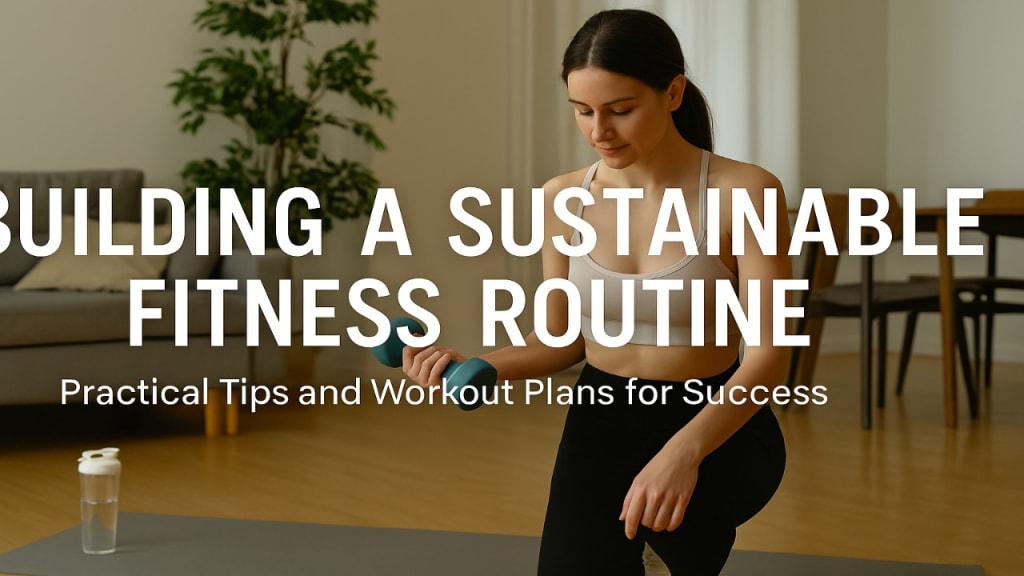
In a world overflowing with fitness fads, crash diets, and quick fixes, creating a sustainable fitness routine is the real key to long-term health and success. While it may be tempting to dive headfirst into intense training or a restrictive diet, these approaches often lead to burnout, injury, or a quick return to old habits. Developing a routine that fits your lifestyle, goals, and interests ensures that you can sustain it and enjoy the journey of transforming into a healthier you.
Following is how you can develop a sustainable fitness routine, along with effective workout tips and plans to ensure long-term success.
1. Define Your Why
Prior to starting any regimen, know your own motivation. Are you trying to lose weight, build strength, enhance mental health, or just feel more energetic? Having a definitive and meaningful reason for undertaking the fitness process keeps you in the game and maintains compliance when motivation lags.
2. Establish Realistic and Attainable Goals
Start with small, achievable goals. Instead of saying, "I want to lose 20 pounds in a month," say "I'd like to work out three times a week." As you achieve smaller goals, you will build consistency and confidence, and bigger goals will be simpler to reach.
3. Choose Activities You Like
The most effective workout is the one you’ll actually do. Whether it’s dancing, swimming, hiking, lifting weights, yoga, or cycling, enjoying your workout makes it feel less like a chore and more like a lifestyle choice. Trying new activities can also keep your routine fresh and exciting.
4. Mix It Up: Balance Is Key
A sustainable fitness routine includes a balance of different workout types:
Cardio: Good for heart health and endurance.
Strength Training: Builds muscle, metabolism, and bone density.
Flexibility and Mobility: Prevents injury and improves quality of movement.
Rest and Recovery: Allows for muscle recovery and prevention of burnout.
5. Start with a Weekly Exercise Routine
A balanced weekly routine can be as follows:
Monday – 30 minutes moderate cardio (brisk walking, light jogging)
Tuesday – Full-body strength training (bodyweight or resistance training)
Wednesday – Active recovery (stretching, yoga, or a walk)
Thursday – Circuit training or HIIT
Friday – Strength training (work upper or lower body)
Saturday – Outdoor activity or favorite sport
Sunday – Rest day
Adjust this based on your lifestyle and fitness level. Consistency is the goal—not perfection.
6. Consistency Precedes Intensity
It is better to exercise moderately on a regular basis than to go all-out for a week and then give up. Aim to do at least 150 minutes of moderate-intensity exercise per week or 75 minutes of vigorous-intensity activity, as health guidelines recommend. Remember: regular presence is far better than sporadic intensity.
7. Listen to Your Body
Fatigue, soreness, and burnout are signs your body may need rest or a less strenuous workout. Ignoring these signs will lead to injury or long-term setbacks. Pay attention to how you physically and mentally feel and modify your routine accordingly.
8. Fuel Your Body Properly
Exercise alone is not enough. Supplement your fitness routine with a well-balanced diet that includes:
- Lean protein for muscle repair
- Complex carbs for long-lasting energy
- Healthy fats for joint and brain health
- Plenty of water for hydration
Avoid too restrictive diets—they are not sustainable and will deprive your body of nutrients it requires.
9. Track Progress in More Than One Way
Instead of weight alone, track other measures of progress:
- More energy
- Improved sleep
- Better mood
- Heavier weights or more reps
- Clothes fitting better
Rewarding small victories along the way cements good habits and encourages staying motivated.
10. Be Kind to Yourself and Flexible
Life gets in the way—travel, illness, missed workouts, or stress. A sustainable routine allows room for flexibility without guilt. Progress is never linear, and self-kindness goes a long way toward building a lifelong habit.
Sample Beginner Workout Plan
Day 1: Full-Body Strength (30 minutes)
- Squats – 3 sets of 12
- Push-ups (or knee push-ups) – 3 sets of 10
- Dumbbell rows – 3 sets of 10 each arm
- Plank – 30 seconds x 2
Day 2: Low-Impact Cardio (30-45 minutes)
- Brisk walking, elliptical, cycling, or swimming
Day 3: Yoga or Stretching (20-30 minutes)
Day 4: HIIT (20-25 minutes)
- 30 seconds each: jumping jacks, mountain climbers, squats, burpees (repeat 3 rounds)
- 1-minute rest between rounds
Day 5: Rest or Active Recovery
Repeat weekly, increasing intensity or duration gradually as your fitness level improves.
Final Thoughts
Building a sustainable fitness habit is not about fast fixes—it's about building a balanced, enjoyable, and realistic plan that you can stick to in the long term. When you focus on consistency, awareness, and enjoyment, you'll not only realize your fitness goals but also cultivate a healthier lifestyle that will serve you for a lifetime. Remember: it does not need to be perfect—it must be consistent.
About the Creator
Keep reading
More stories from Shahjahan Kabir Khan and writers in Journal and other communities.
Top 10 Health & Fitness Trends to Shed Pounds
In the rapidly changing age of wellness and health, weight loss programs continue to evolve according to the most recent research, technology, and ways of living. Since more individuals have become health conscious, there is a growing need for sustainable, effective weight loss programs like never before. Below are ten of the most in-demand and helpful health and wellness trends of 2024 that are helping individuals lose weight and lead a healthy life.
By Shahjahan Kabir Khan10 months ago in Journal
How to Build AI Agents in 2026: Stop Coding Like It's 2024
Remember when we all thought pasting a prompt into ChatGPT was "prompt engineering"? Cute. It's 2026 now, and if your "AI" can't plan a vacation, book the flights, and argue with the airline about a refund, it's just a chatbot. Learning how to build AI agents isn't just a resume booster anymore; it's the only way to survive the "white-collar shockwave" experts warned us about.
By Sherry Walker6 days ago in Journal




Comments
There are no comments for this story
Be the first to respond and start the conversation.