
Building a Comprehensive Emergency Response System for Modern Amusement Parks
Ensuring Safety, Stability, and Rapid Response in Every Amusement Environment
Safety in an amusement park is not defined solely by equipment quality or operational excellence. It is fundamentally determined by the robustness of its emergency response system. As visitor expectations rise and regulatory scrutiny intensifies, constructing a comprehensive emergency framework has become an indispensable component of park management. This system integrates prevention, preparedness, real-time coordination, and post-incident recovery into a unified structure capable of addressing diverse risk scenarios.
From indoor kiddie rides to large-scale roller coasters, every attraction carries its own risk profile. Understanding these differences and establishing rapid, efficient, and systematic responses ensures not only compliance but also public confidence.

The Strategic Importance of Emergency System Design
A well-designed emergency response system safeguards lives, protects property, and preserves brand reputation. Its effectiveness rests on three critical pillars: organizational structure, procedural clarity, and technological integration.
Organizational structure defines the hierarchy of command during crises. It ensures that decision-making authority is clearly delineated and that personnel know their roles under stress.
Procedural clarity guarantees that all team members can execute tasks without hesitation—whether shutting down an indoor kiddie ride, coordinating first aid, or guiding crowd evacuation.
Technological integration enhances communication and situational awareness, allowing operators to monitor hazards in real time and dispatch the appropriate resources.
An emergency framework is not static; it evolves through continuous evaluation and simulation. Each update must reflect emerging risks, new technologies, and changing visitor behaviors.
Identifying Risk Scenarios
Every amusement park operates within a complex web of potential hazards—mechanical, environmental, and human. The identification and classification of these threats form the foundation of effective response planning.
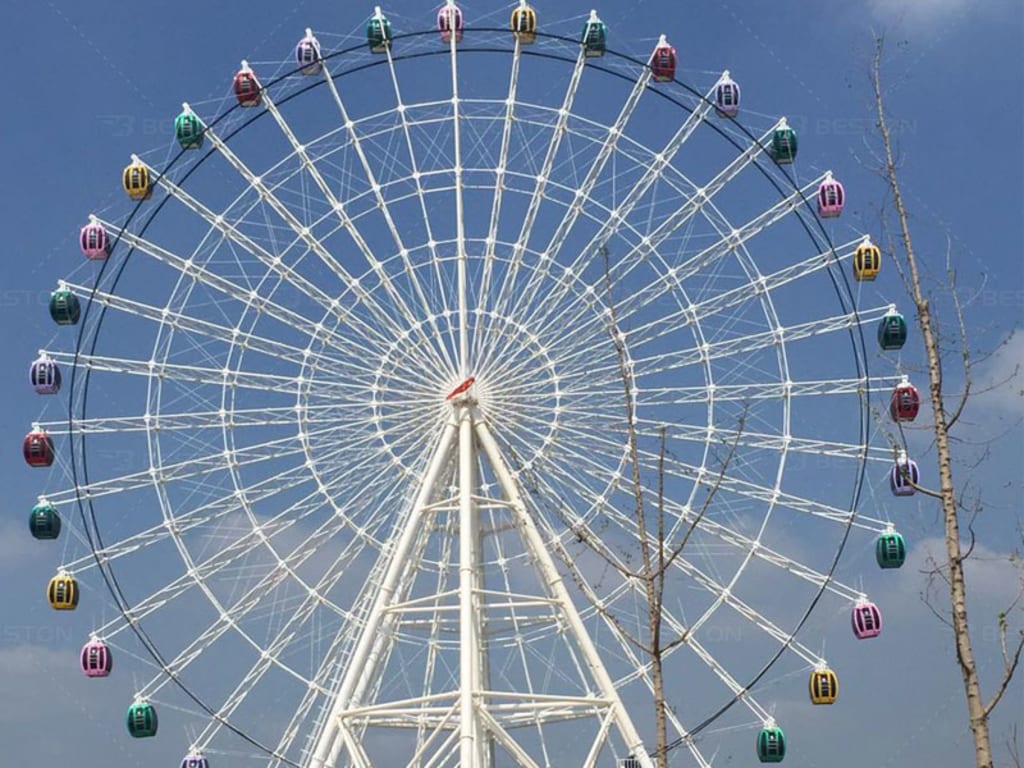
Mechanical Malfunction – Equipment failures, such as those in different types of ferris wheels or roller coasters, require swift shutdown protocols and technical isolation measures.

Medical Emergencies – Large crowds increase the likelihood of sudden health incidents, necessitating trained first-aid teams and designated medical posts.
Fire and Power Failure – Indoor facilities and themed attractions face heightened risks due to enclosed spaces and electrical dependencies.
Extreme Weather Events – Outdoor amusement environments must prepare for heavy rain, strong winds, or lightning strikes with standardized evacuation and sheltering procedures.
Crowd-Related Incidents – Overcrowding or panic situations demand controlled guidance systems and clear public communication channels.
Risk identification should be dynamic. Seasonal variations, equipment upgrades, and special events can all alter the threat landscape, requiring regular reassessment.
Structural Framework of Emergency Response
A mature emergency response system operates through coordinated functional layers: prevention, detection, response, and recovery.
1. Prevention
Preventive measures minimize the probability of emergencies occurring in the first place. This includes regular maintenance of rides, strict adherence to safety inspections, and rigorous training for technical staff. For indoor kiddie rides, prevention focuses on mechanical reliability, soft-surface materials, and controlled visitor interaction.
2. Detection
Early detection mechanisms, such as sensors, fire alarms, and surveillance networks, enable quick recognition of abnormalities. Operators monitoring different types of ferris wheels, for instance, can use sensor-based diagnostics to detect irregular rotation patterns or electrical faults before they escalate.
3. Response
Immediate action following an emergency determines the system’s effectiveness. This phase involves activating alarm protocols, communicating with emergency services, and implementing evacuation plans. Personnel coordination is critical; each second lost to confusion can escalate risk.
4. Recovery
Post-incident recovery restores normal operations and addresses psychological, physical, and infrastructural impacts. It includes damage assessment, public reassurance, and procedural review. Transparent communication following an incident helps preserve public trust and regulatory credibility.
Integration of Technology and Intelligence
Modern emergency systems rely heavily on digital infrastructure. The deployment of smart monitoring systems, centralized command centers, and automated alerts transforms reactive measures into predictive safety management.
Artificial intelligence and Internet of Things (IoT) technologies are increasingly used to detect deviations in ride performance, crowd density, and environmental parameters. For example, if a ferris wheel exhibits abnormal vibration or rotation speed, predictive maintenance software can alert technicians before a failure occurs.
For indoor kiddie rides, integrated sensors can track real-time operational status, ensuring compliance with safety thresholds and stopping the ride automatically if irregularities arise. Data analytics also assist in optimizing evacuation routes by modeling crowd movement patterns during simulated crises.
Technology enables not only faster responses but also more informed decision-making—transforming emergencies into manageable, data-driven events.
Training and Simulation
Even the most advanced system depends on human readiness. Regular drills and scenario-based simulations cultivate discipline and muscle memory across all staff levels.
Training modules should include:
Emergency identification – recognizing early warning signs across various attractions.
Evacuation protocol execution – guiding guests to designated exits calmly and efficiently.
Ride-specific shutdown procedures – such as stopping different types of ferris wheels mid-cycle or isolating electrical circuits.
First-aid and crisis communication – managing injured visitors and maintaining order through clear instructions.
Periodic drills involving both staff and emergency services—firefighters, paramedics, and police—ensure synchronization between internal teams and external responders. These exercises not only test response speed but also uncover weaknesses in coordination and infrastructure.
Visitor Communication and Crowd Management
Communication during emergencies must be immediate, precise, and reassuring. Panic is the greatest amplifier of danger in any crisis situation.
Audio systems, digital displays, and trained staff play essential roles in directing guests. Multi-language announcements accommodate diverse visitor demographics. Signage should remain visible and illuminated even during power interruptions.
For indoor attractions, especially where children are present, clear instructions and staff composure are crucial. The proximity of indoor kiddie rides to exits should be optimized to facilitate swift movement. Wide pathways, low barriers, and designated assembly points all contribute to smoother evacuation flow.
Crowd management technology—such as heat maps and movement sensors—can also provide real-time visibility of congested areas, enabling staff to redirect guests and avoid crowding before it becomes critical.
Collaboration with Manufacturers and Suppliers
Manufacturers play a fundamental role in supporting emergency response capabilities. Equipment design, documentation, and maintenance protocols directly influence crisis outcomes.
A supplier offering a theme park ride—whether an indoor kiddie ride or a large ferris wheel—must provide detailed operation manuals, safety certifications, and emergency handling instructions. During procurement, park management should prioritize manufacturers that emphasize durability, redundancy, and remote diagnostics.
Collaboration also extends to post-installation support. Suppliers must assist in technical inspections, emergency part replacements, and safety upgrades. A transparent relationship between operator and manufacturer reinforces the reliability of the entire safety ecosystem.
Post-Emergency Evaluation and Continuous Improvement
After any emergency, systematic evaluation is essential. Incident reports should include timelines, personnel actions, technical data, and visitor feedback. Analysis of these reports helps refine protocols and prevent recurrence.
Continuous improvement requires establishing a feedback loop between management, staff, and external regulators. Lessons learned from minor incidents often prevent major accidents in the future. Furthermore, public transparency—sharing non-sensitive information about safety improvements—strengthens confidence and reinforces the park’s commitment to accountability.
The Future of Emergency Systems in Amusement Parks
The future of amusement safety lies in proactive intelligence and systemic integration. Predictive algorithms, autonomous ride diagnostics, and AI-assisted surveillance will redefine how emergencies are anticipated and managed.
Parks will increasingly adopt modular command centers that integrate ride data, visitor tracking, and weather monitoring into a unified dashboard. These systems will not only improve response speed but also enhance long-term operational efficiency.
From the smallest indoor kiddie ride to the most advanced of the different types of ferris wheels, every attraction will eventually be part of an interconnected safety network—self-aware, responsive, and resilient.
In this future, the measure of a park’s excellence will not only be the joy it provides but the confidence it inspires. A meticulously built emergency response system ensures that visitors can experience thrill and wonder in an environment where safety remains absolute and unwavering.
About the Creator
amusementparksolution
Beston Rides - Focus on providing high-quality, customizable amusement rides and offering one-stop amusement park construction services.
Website: https://bestonamusementrides.com/
Keep reading
More stories from amusementparksolution and writers in Journal and other communities.
The Role of Thematic Design in Spatial Planning
In modern amusement environments, thematic design has evolved beyond decorative expression to become a strategic tool in spatial planning. It defines not only the atmosphere but also the psychological and functional flow of a park, resort, or entertainment complex. Through coherent narratives and immersive environments, thematic design connects architecture, landscape, and attraction layout into one unified experience.
By amusementparksolution5 months ago in Journal
Traveling to 5 Countries on a Single Budget:
The Journey Begins Traveling has always been a source of inspiration for me, filled with tales of diverse cultures, cuisine, and breathtaking landscapes. Recently, I embarked on an adventurous journey to five different countries, navigating the complexities of travel on a tight budget. My motivations for this trip stemmed from a strong desire to experience firsthand the vibrant life stories that each destination holds, as well as the thrill of budget traveling itself.
By Wilson Igbasi2 days ago in Journal



Comments
There are no comments for this story
Be the first to respond and start the conversation.