
Bridging Gaps in Healthcare Access: How Innovation Is Reshaping Non-Emergency Medical Transportation
The evolution of Non-emergency medical transportation (NEMT) services is crucial to address expanding healthcare access requirements for aging populations as well as patients with chronic conditions while supporting larger care networks.

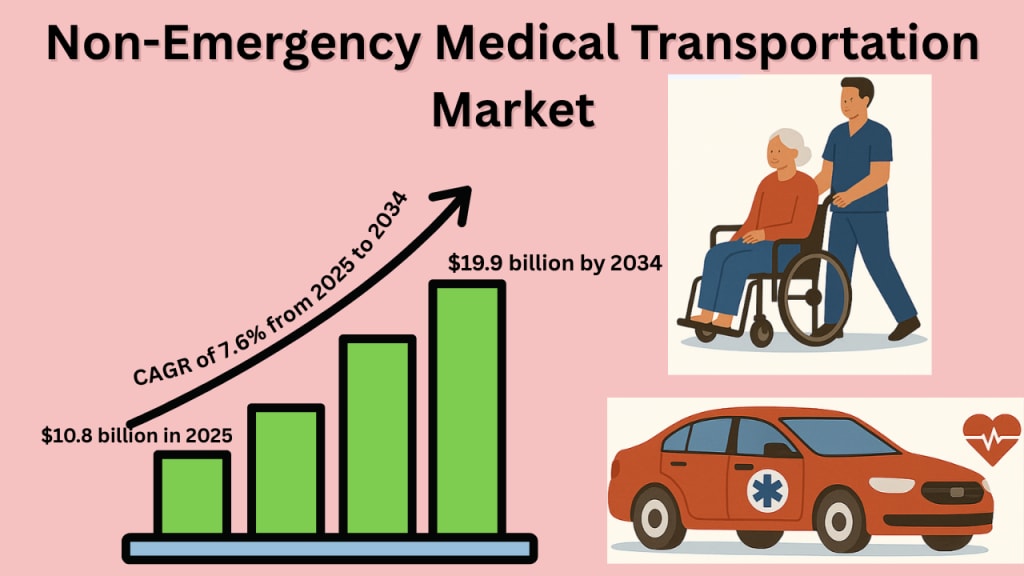
Traditional transportation systems frequently struggle with operational inefficiencies, scheduling delays and inadequate service reach. Contemporary non-emergency medical transportation solutions now incorporate advanced technological features which include real-time tracking systems along with AI-based scheduling and digital health management platforms. The latest advancements enhance routing methods while strengthening reliability to guarantee timely patient transportation which connects care providers with patients more effectively. Smart logistics and data-driven insights enable NEMT to transcend basic transport functions and emerge as an essential tool for delivering equal healthcare access through connected services.
The real pathway to healthcare starts with the patient's travel experience to medical facilities. Millions of people without dependable transportation means face significant difficulties attending regular medical visits which poses a substantial obstacle to obtaining consistent healthcare services. Non-Emergency Medical Transportation (NEMT) services are essential for achieving healthcare equity and modern technological innovations are transforming the way these vital services function.
The development of healthcare systems and evolving patient requirements have transformed NEMT from a simple logistical service into a technologically advanced solution. The integration of digital platforms with artificial intelligence (AI) and data analytics allows modern NEMT to eliminate access barriers while transforming patient experience.
The Changing Landscape of NEMT
Historically, NEMT operated through disjointed provider networks and manually organized schedules while maintaining very limited real-time communication. Traditional NEMT operations resulted in delayed services and missed appointments which led to inconsistent service delivery that particularly disadvantaged vulnerable populations.
Today, innovation is addressing these shortcomings through:
1. Digital Booking and Real-Time Tracking
Through mobile apps and web-based platforms patients and caregivers can schedule rides and monitor vehicles with live updates and real-time tracking capabilities. The process delivers improved clarity to users while lessening doubts and delivering superior user interactions.
2. AI-Powered Scheduling and Routing
Artificial intelligence enhances scheduling efficiency through the analysis of traffic flow patterns along with appointment schedules and geographic information. Advanced routing systems cut down delays while increasing vehicle performance and decreasing patient waiting periods.
3. Integrated Healthcare Coordination
NEMT platforms today connect with electronic health records and care management systems to enable providers to track transportation as part of the patient’s overall care strategy. Better connectivity leads to fewer missed appointments while also maintaining continuous patient care.
4. Data-Driven Insights for Policy and Planning
Analysis of data generates essential findings about patterns of resource use as well as operational performance and service shortages. Healthcare systems together with policymakers can leverage this information to expand access to NEMT services while optimizing resource distribution and developing transportation initiatives that reach all populations.
Expanding Access and Equity
Rural areas along with underserved communities and aging populations depend on NEMT as their sole connection to essential healthcare services. Tech-enabled NEMT solutions expand care accessibility through multilingual support and enhanced scheduling accuracy and reliability for populations who were previously underserved.
Healthcare providers have partnered with ride-share companies and startups to create specialized services including wheelchair-accessible vans and medical visit-focused app-based ride-hailing solutions. Patients who receive Medicaid benefits and those facing mobility issues gain significant advantages from these technological developments.
Challenges Ahead
NEMT innovation has made significant advances yet continues to encounter multiple challenges.
• Digital Divide: Tech-based solutions reach fewer individuals because some patients do not have smartphones or internet access.
• Privacy and Compliance: Combining health information with transport data requires adherence to HIPAA regulations to ensure protection of patient information.
• Workforce Training: Effective use of advanced technologies requires drivers and dispatchers to receive specialized training alongside service delivery to vulnerable populations.
Solving these obstacles demands cooperation from healthcare providers along with technology developers and regulators and community organizations.
NEMT is transforming into a service that is both intelligent and patient-focused while remaining inclusive.
The increasing focus on value-based healthcare and social determinants of health is leading to greater recognition of NEMT as a vital element of the healthcare delivery system. Through ongoing innovation NEMT transforms into a patient-focused service that advances healthcare while transporting patients.
Intelligent transportation systems that scale effectively can bridge traditional healthcare access barriers so that individuals are not prevented from receiving care because they lack transportation options.
Latest Press Release: https://www.theresearchinsights.com/blog/non-emergency-medical-transportation-market
About the Creator
Silvie Karson
Passionate storyteller exploring the world of trends. With a background in digital marketing, I craft compelling narratives that inform and inspire. Whether diving into deep-dive features, growth analysis, or trend analysis.
Keep reading
More stories from Silvie Karson and writers in Journal and other communities.
Smart Home Market: The AI-Driven Future of Living Spaces
The definition of “home” has continuously transformed alongside technological advance-ments including fire and electricity leading up to internet access and smart devices. Artificial Intelligence (AI) is transforming domestic innovation today by integrating seamlessly into our daily surroundings. The smart home market transforms from simply a collection of gadgets into an intelligent and responsive ecosystem that predicts needs and improves security while optimizing comfort because smart devices continue to advance and connect with each other.
By Silvie Karson10 months ago in Journal
Author’s Advice
If you would’ve asked me 20 years ago did I know I’d become a writer and an author, I would’ve said “nope, ain’t happening”. As fate would have it I did become an author and I can honestly say I’m loving it so far. It really does feel good to be a writer. I’ve learned a lot on this journey and I feel like with even me being as new to this world as I am, there’s some wisdom I need to share with every other aspiring author.
By Joe Patterson5 days ago in Journal




Comments
There are no comments for this story
Be the first to respond and start the conversation.