
Boeing’s Decline
How Corporate Culture Led to Boeing’s Decline

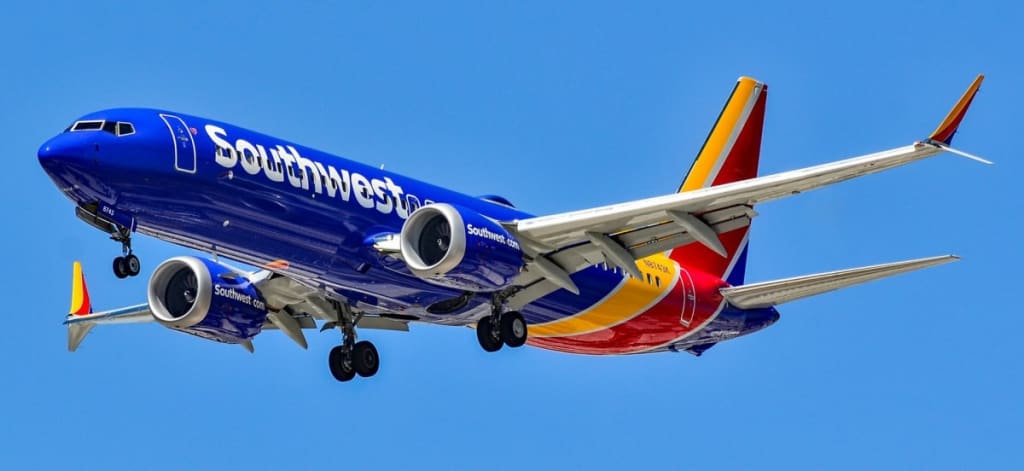
Boeing, once a symbol of American engineering excellence and innovation, has faced a dramatic decline in recent years. The company’s downfall, particularly evident through the crises surrounding the 737 Max, highlights how profound shifts in corporate culture can lead to catastrophic failures. Understanding this decline requires examining how changes in corporate values, priorities, and decision-making processes contributed to Boeing’s struggles.
The Rise of Boeing: A Legacy of Innovation
Boeing’s journey from its inception to becoming a leading aerospace giant is a testament to its innovative spirit. Founded in 1916 by William E. Boeing in Seattle, the company quickly established itself as a pioneer in aviation. The early years were marked by the production of military aircraft during World War I, and by the 1920s, Boeing had already made significant strides with its early commercial aircraft, such as the Model 40. The company’s reputation soared during World War II when it produced numerous military aircraft, including the iconic B-17 Flying Fortress and B-29 Superfortress. Post-war, Boeing continued to lead with groundbreaking innovations. The introduction of the 747 in 1969 revolutionized air travel by providing unparalleled capacity and range, establishing Boeing as a global leader in commercial aviation.
Throughout the latter half of the 20th century, Boeing’s commitment to engineering excellence and customer safety solidified its status as a top-tier aerospace manufacturer. The company maintained a focus on delivering high-quality products and continuously pushing the boundaries of aerospace technology.
The Shift in Corporate Culture
The seeds of Boeing’s decline were sown in the late 20th century, particularly with the 1997 merger with McDonnell Douglas. This merger aimed to create a stronger, more competitive aerospace company by combining Boeing’s robust commercial aircraft division with McDonnell Douglas’s defense capabilities. However, the merger also introduced new management practices and cultural shifts that would later contribute to Boeing’s struggles.
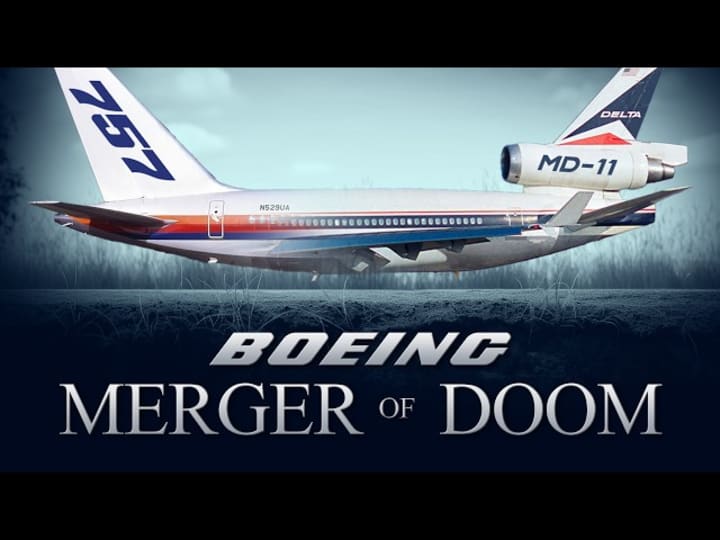
Boeings’s Downfall — “Greed is Good” the McDonnell Douglas Merger
Harry Stonecipher, a former executive at McDonnell Douglas, was brought in as COO and later became CEO of the merged company. Stonecipher’s tenure marked a significant cultural shift within Boeing, emphasizing financial performance and cost control over engineering innovation. This shift reflected a broader trend in corporate America during the 1990s, where short-term financial gains were prioritized over long-term investments in research and development. The focus on financial metrics led to changes in decision-making processes and management practices. The once strong engineering culture at Boeing began to erode as the company increasingly prioritized cost-cutting measures and financial performance. This shift created a disconnect between Boeing’s engineering teams, who were dedicated to maintaining high standards of quality and safety, and the top management, which was more focused on financial results.
The Consequences of Financial Prioritization
Boeing’s decision to prioritize financial performance over engineering integrity became increasingly apparent with the development of the 787 Dreamliner. In response to growing competition and rising costs, Boeing adopted an ambitious outsourcing strategy for the Dreamliner project. The company relied heavily on suppliers for key components and systems, aiming to reduce manufacturing costs and accelerate production.
While the outsourcing strategy initially promised cost savings and efficiency, it ultimately compromised the quality and reliability of the aircraft. The integration of components from numerous suppliers led to delays, technical issues, and quality control problems. The 787 Dreamliner faced significant production setbacks, including issues with its composite fuselage, electrical systems, and battery technology. These problems were exacerbated by Boeing’s decision to prioritize cost savings over rigorous quality control. The company’s emphasis on meeting production deadlines and minimizing expenses led to shortcuts and inadequate oversight of critical systems. As a result, the Dreamliner’s reputation suffered, and the project’s delays and cost overruns became a source of embarrassment for Boeing.
The 737 Max Crisis: A Turning Point
The most significant manifestation of Boeing’s cultural shift was the 737 Max crisis. The 737 Max was developed to compete with Airbus’s A320neo and was marketed as an advanced, fuel-efficient aircraft. However, the development of the Max was marred by serious design and safety issues. The Maneuvering Characteristics Augmentation System (MCAS), a software designed to prevent stalls, was a critical component of the 737 Max. MCAS was intended to address changes in the aircraft’s handling characteristics due to the installation of new, larger engines. However, the system was flawed, with inadequate safeguards and insufficient pilot training.
In October 2018 and March 2019, two 737 Max aircraft crashed, resulting in the loss of 346 lives. Investigations revealed that the MCAS system played a crucial role in both accidents. The decision to implement MCAS, despite its risks, was driven by the desire to meet market demands and financial goals rather than ensuring absolute safety. The lack of rigorous testing and oversight further contributed to the failures. The grounding of the 737 Max and the subsequent investigations exposed the deep-seated cultural issues within Boeing. Internal communications revealed a troubling lack of concern for safety among the company’s executives. Some messages described the 737 Max as a “plane designed by clowns, overseen by monkeys,” reflecting a toxic culture where financial incentives overshadowed engineering integrity.
The Cultural Breakdown
The 737 Max crisis highlighted a profound breakdown in Boeing’s corporate culture. The shift from a focus on engineering excellence to financial performance led to a series of failures that had devastating consequences. The company’s management failed to address safety concerns and prioritize quality control, resulting in the tragic crashes and a significant loss of public trust.
The cultural breakdown at Boeing was marked by a lack of effective communication between engineers and top management. Engineers who raised safety concerns or identified potential issues were often sidelined or ignored. The focus on meeting production targets and financial goals overshadowed the need for thorough testing and adherence to safety standards. The damage to Boeing’s reputation was severe, with the company facing billions in losses, legal battles, and a prolonged grounding of the 737 Max fleet. The crisis also had broader implications for the aviation industry, as it highlighted the potential consequences of prioritizing financial performance over core values.
Revenue Statistics: 2019 to Present
The financial impact of Boeing’s cultural shift is evident in its revenue figures from 2019 to the present:
2019: Boeing’s revenue for 2019 was approximately $76.6 billion. This year was marked by the grounding of the 737 Max starting in March, which began to impact the company’s financial performance.
2020: In 2020, Boeing’s revenue fell sharply to about $58.2 billion. The COVID-19 pandemic exacerbated the situation, with a significant decline in air travel leading to reduced demand for new aircraft. The ongoing 737 Max crisis further contributed to the revenue decline.
2021: Revenue in 2021 was around $62.3 billion. While there was some recovery as the aviation industry began to rebound from the pandemic, the 737 Max issues continued to affect Boeing’s performance. The company also faced increased costs related to the 737 Max’s return to service and compensation to airlines.
2022: Boeing’s revenue increased to approximately $66.6 billion in 2022. The company made progress in addressing some of the challenges related to the 737 Max and saw a gradual recovery in aircraft deliveries and orders. However, the financial impact of previous issues lingered.
2023: For 2023, Boeing reported revenues of around $74.7 billion. The company experienced a stronger recovery, with increased aircraft deliveries and improved financial performance as the aviation industry continued to rebound. However, Boeing still faced challenges related to supply chain disruptions and quality control issues.
These revenue figures illustrate the financial consequences of Boeing’s cultural and operational issues. The decline in revenue, particularly in 2020, reflects the compounded effects of the 737 Max crisis, the COVID-19 pandemic, and the broader challenges faced by the aviation industry.
The Path Forward
As Boeing attempts to recover from these setbacks, restoring its corporate culture will be crucial. Rebuilding trust with customers, regulators, and the public requires a renewed commitment to engineering excellence, safety, and transparent communication. The company must address the cultural issues that contributed to its decline and implement measures to prevent similar failures in the future.
Restoring Boeing’s reputation will involve significant changes in leadership, management practices, and organizational culture. The company must prioritize safety and quality over financial performance, ensuring that engineering integrity is at the forefront of its decision-making processes. Additionally, fostering an environment where employees feel empowered to raise concerns and contribute to the company’s success will be essential.
Ultimately, Boeing’s decline is a case study in how corporate culture can profoundly impact an organization’s success or failure. The shift from a focus on engineering and safety to financial performance and cost-cutting led to significant consequences, underscoring the need for a cultural reset in the pursuit of sustainable success. The lessons learned from Boeing’s struggles should serve as a cautionary tale for other companies, emphasizing the importance of maintaining a balance between financial objectives and core operational values.
About the Creator
Horace Was
Essay Writer, Aviation and Technology Expert
Keep reading
More stories from Horace Was and writers in Journal and other communities.
So you wanna be a pilot?
Becoming a pilot is a dream for many, offering the promise of adventure, travel, and a unique lifestyle. However, the journey to the cockpit is not without its challenges. If you're considering a career in aviation, it's important to understand what lies ahead. Here are some key things you should know before becoming a pilot.
By Horace Was2 years ago in Wander
Early Hair Thinning: When to Start Treatment for Better Results
The Time to Act: Why Early Intervention is the Key to Managing Hair Thinning Hair loss is often framed as an inevitable part of aging, a "wait-and-see" situation that many people feel they just have to live with. However, the reality is that waiting until hair loss is visually dramatic significantly narrows your options for recovery. Understanding the nuance between normal shedding and early thinning is one of the most proactive steps you can take for your long-term confidence.
By Muhammad Owais SEO3 days ago in Journal
Worth the Wait: Puerto Viejo, Costa Rica
Beach bumming in a small Caribbean beach town sounded like a perfect way to end our 6-month trip through Mexico and Central America. Or so we thought. The foul, fishy stench of rotten seaweed hit our nostrils as we stepped from the cramped bus and looked out at a rather depressing, empty, and underwhelming black sand beach. It was pouring with rain, and we had to quickly fish out our ponchos. We thought, this couldn’t be it, could it?
By Sh*t Happens - Lost Girl Travel6 days ago in Wander




Comments (1)
Thanks for sharing