
So you wanna be a pilot?
Things You Should Know Before Becoming a Pilot

Becoming a pilot is a dream for many, offering the promise of adventure, travel, and a unique lifestyle. However, the journey to the cockpit is not without its challenges. If you're considering a career in aviation, it's important to understand what lies ahead. Here are some key things you should know before becoming a pilot.
1. The Financial Investment is Significant
Training to become a pilot requires a substantial financial investment. Flight training programs can cost anywhere from $70,000 to $100,000 or more, depending on the country, flight school, and the type of pilot’s license you pursue. In addition to tuition fees, you’ll need to consider the costs of study materials, flight gear, medical exams, and living expenses if you’re training away from home. However, the cost of flight training can vary significantly depending on where you choose to train. Some countries offer more affordable flight training programs, which can help reduce the overall financial burden.
Cheapest Countries to Train as a Pilot
South Africa
Cost: $40,000 - $50,000
Why It’s Affordable: South Africa is known for its competitive pricing in flight training, with many flight schools offering comprehensive packages that include both ground school and flying hours. The favorable exchange rate also contributes to lower costs for international students.
Philippines
Cost: $30,000 - $40,000
Why It’s Affordable: The Philippines offers one of the most affordable flight training programs in the world. The country's tropical climate allows for year-round flying, which can accelerate the training process. Additionally, the cost of living is relatively low, further reducing overall expenses.
Poland
Cost: $40,000 - $60,000
Why It’s Affordable: Poland is emerging as a popular destination for pilot training in Europe, offering modern facilities and European Aviation Safety Agency (EASA)-certified programs at a fraction of the cost of Western European countries.
India
Cost: $30,000 - $50,000
Why It’s Affordable: India provides a cost-effective option for pilot training, with numerous flight schools that offer competitive pricing. However, the process can be time-consuming due to long waiting periods for flying slots.
Mexico
Cost: $35,000 - $50,000
Why It’s Affordable: Mexico offers flight training programs at relatively low costs, with the added benefit of being close to the United States. The training quality is high, and many schools offer English-language programs, making it accessible to international students.
Possible Ways to Generate Funds Quickly
Scholarships and Grants. Numerous aviation scholarships are available through organizations like the Aircraft Owners and Pilots Association (AOPA), Women in Aviation International (WAI), and the Experimental Aircraft Association (EAA). These scholarships can cover part or all of your training costs, depending on the award.
Crowdfunding. Platforms like GoFundMe or Kickstarter can be used to raise funds for your flight training. Sharing your passion and career goals with a compelling story might attract donations from friends, family, and even strangers who want to support your dream.
Loan Programs. Many financial institutions offer student loans specifically tailored for flight training. These loans often come with favorable interest rates and flexible repayment plans. Some airlines also partner with banks to provide loan programs that include a job placement guarantee upon graduation.
Part-Time Work. Working part-time while training can help offset some of the costs. Jobs in the aviation industry, such as a flight dispatcher, ground crew, or even a flight instructor (after obtaining the necessary certifications), can provide valuable experience and additional income.
Airline Cadet Programs. Some airlines offer cadet programs where they cover the cost of training in exchange for a commitment to work with the airline for a certain number of years. These programs are competitive but can be an excellent way to enter the industry without bearing the full financial burden.
Military Service. In some countries, joining the military can be a way to receive pilot training at no personal cost. Military-trained pilots often have the option to transition to commercial aviation after their service, with many of their training hours counting towards commercial licenses.
Savings and Investments. If you’re planning well in advance, consider setting up a dedicated savings account for your flight training or investing in high-yield savings accounts, stocks, or other investment vehicles to grow your funds over time.
Before diving in, it’s crucial to assess your financial situation and explore these options to make an informed decision. Becoming a pilot is a significant investment, but with careful planning and exploration of funding opportunities, it's an achievable goal for those committed to the journey.
2. The Commitment is Intense

Becoming a pilot is a path that demands far more than just enthusiasm for flying; it requires a deep and sustained commitment to rigorous training, a dedication to continual learning, and the ability to adapt to the dynamic and challenging environment of aviation. The journey to becoming a commercial pilot is a long and demanding process that involves multiple stages of training, each with its own set of requirements, challenges, and time commitments. The initial stages of pilot training, such as obtaining a Private Pilot License (PPL), may seem manageable, but as you progress, the complexity and intensity of the training increase significantly. Beyond learning how to operate an aircraft, pilots must master a wide range of subjects, including aerodynamics, meteorology, navigation, aviation law, and emergency procedures. These topics are not just academic; they are critical for ensuring safety and effective decision-making in the air.
The commitment to becoming a pilot doesn't end with passing exams and logging flight hours. It extends to a lifelong journey of ongoing education and skill refinement. Pilots are required to regularly update their knowledge, undergo recurrent training, and obtain new certifications as they advance in their careers. This continuous learning is essential to keep up with technological advancements, regulatory changes, and the evolving demands of the aviation industry.
Private Pilot License (PPL)
The journey to becoming a professional pilot typically begins with obtaining a Private Pilot License (PPL). This is the foundation of your aviation training and is often the first major milestone for aspiring pilots. The PPL allows you to fly an aircraft privately, which means you can pilot an airplane with non-paying passengers. To earn a PPL, you must complete a minimum of 40 to 60 flight hours, although most students require more time to master the necessary skills. This training is divided between dual instruction, where you fly with an instructor, and solo flights, where you practice independently. During PPL training, you'll learn the fundamental skills required to operate an aircraft, including takeoff, landing, basic maneuvers, and in-flight navigation. You'll also be introduced to air traffic control communications, which are essential for safely navigating controlled airspace. Another critical aspect of PPL training is emergency procedures, where you'll learn how to handle various in-flight emergencies, such as engine failure or adverse weather conditions.
In addition to flight training, obtaining a PPL requires passing a written exam that tests your knowledge of aviation theory, regulations, and safety practices. Finally, you'll need to pass a practical flight test, known as a check ride, where an examiner assesses your ability to safely and competently operate an aircraft. The entire process typically takes between 3 to 6 months, depending on factors like weather conditions, your availability, and the frequency of your training sessions.
Instrument Rating (IR)
Once you have your Private Pilot License (PPL), the next step for most aspiring commercial pilots is to obtain an Instrument Rating (IR). The IR is a crucial qualification that allows you to fly an aircraft under Instrument Flight Rules (IFR), which means you can navigate and operate the plane based on your instruments rather than relying solely on visual cues. This rating is particularly important for flying in a wider range of weather conditions, including low visibility scenarios, where relying on visual references is not possible. The Instrument Rating requires a minimum of 40 flight hours dedicated to instrument flying, though many students require more time to become proficient. This training focuses on advanced navigation techniques, such as using VORs (VHF Omnidirectional Range) and GPS systems, as well as learning to interpret and rely on flight instruments like the altimeter, attitude indicator, and airspeed indicator. You’ll also study meteorology in greater depth, as understanding weather patterns and their impact on flight is essential when flying under IFR.
In addition to flight training, obtaining an IR requires passing a written exam that covers topics like instrument flight rules, navigation systems, and meteorology. The final step is a practical test, where you'll demonstrate your ability to fly the aircraft solely by reference to instruments, including conducting instrument approaches and handling emergency situations such as instrument failures. Earning an Instrument Rating typically takes 2 to 4 months, depending on your training schedule and the availability of suitable flying conditions.
Commercial Pilot License (CPL)
The Commercial Pilot License (CPL) is a significant milestone in a pilot’s career and represents the transition from flying as a hobby to flying as a profession. The CPL allows you to be compensated for your flying services, whether it's as an airline pilot, a charter pilot, or any other commercial aviation role. Achieving a CPL requires a substantial amount of flight experience, with most countries mandating a minimum of 200 to 250 total flight hours, which includes the hours you've already accumulated during your Private Pilot License (PPL) and Instrument Rating (IR) training. CPL training is more advanced and comprehensive than PPL training, focusing on complex maneuvers, advanced flight planning, and the use of sophisticated aircraft systems. You'll learn about commercial flight operations, such as flying in controlled airspace, performing complex navigational procedures, and managing crew resources. Additionally, CPL training includes lessons on aerodynamics, aircraft performance, and emergency procedures specific to commercial operations.
To obtain your CPL, you must pass a series of written exams that cover a broad range of subjects, including aviation law, flight planning, and human factors. You’ll also need to pass a rigorous practical flight test, where an examiner evaluates your ability to perform the tasks and maneuvers expected of a commercial pilot. Depending on your training intensity, the process of earning a CPL can take anywhere from 6 months to 2 years.
Multi-Engine Rating (MER)
For pilots aiming to fly multi-engine aircraft, obtaining a Multi-Engine Rating (MER) is a critical step in their training. This rating allows you to operate aircraft with more than one engine, which are typically more powerful and capable of carrying more passengers or cargo than single-engine planes. The MER is often a requirement for pilots aspiring to work in commercial aviation, as most commercial aircraft have multiple engines. The Multi-Engine Rating training typically requires 10 to 20 flight hours, depending on your previous experience and the specific requirements of the flight school. During this training, you'll learn about the unique aerodynamics of multi-engine aircraft, including how to handle an engine failure and other emergency procedures. You’ll also focus on performance calculations, which are crucial for safely operating a multi-engine aircraft, especially during takeoff and landing phases.
In addition to practical flight training, obtaining an MER involves passing a written exam that tests your knowledge of multi-engine aerodynamics, systems, and emergency procedures. The final step is a check ride, where you'll demonstrate your ability to safely operate a multi-engine aircraft, including performing engine-out procedures and other critical maneuvers. Depending on your schedule and the availability of multi-engine aircraft, completing the Multi-Engine Rating training usually takes 1 to 2 months.
Certified Flight Instructor (CFI)
Becoming a Certified Flight Instructor (CFI) is a popular path for pilots to gain valuable flight hours and experience while also teaching others the art of flying. This certification allows you to instruct student pilots, which not only helps you build the necessary flight hours for more advanced certifications, such as the Airline Transport Pilot License (ATPL), but also deepens your understanding of flight operations and principles. CFI training typically requires 15 to 25 hours of dual instruction, during which you'll learn how to teach flight maneuvers, plan lessons, and evaluate student performance. The focus is not just on flying skills but also on effective communication and instructional techniques. As a CFI, you’ll need to be able to explain complex concepts in a way that is clear and understandable to students with varying levels of experience and knowledge.
To become a Certified Flight Instructor, you must pass both a written exam and a practical test. The written exam covers topics such as teaching methods, lesson planning, and aviation regulations. The practical test, known as the CFI check ride, involves demonstrating your ability to instruct a student pilot while flying, including teaching maneuvers and handling in-flight emergencies. Once certified, you can begin instructing students, which is an excellent way to accumulate the flight hours needed for more advanced certifications. The CFI training process usually takes 2 to 4 months.
Airline Transport Pilot License (ATPL)
The Airline Transport Pilot License (ATPL) is the pinnacle of pilot certification and is required for those who aspire to be the captain (Pilot in Command) of an airline. The ATPL is the most advanced and demanding pilot license, requiring a significant amount of flight experience, typically a minimum of 1,500 total flight hours. This includes all the hours you've logged during your previous training and flying experiences. Earning an ATPL involves extensive training in airline operations, safety management, and leadership. You’ll learn about the complex systems and procedures used in commercial airliners, as well as advanced navigation, performance calculations, and flight planning. The ATPL training also emphasizes the importance of crew resource management (CRM), which is critical for ensuring effective communication and decision-making in a multi-crew environment.
In addition to the extensive flight experience required, obtaining an ATPL involves passing multiple written exams that cover a wide range of subjects, including advanced aerodynamics, airline operations, and aviation regulations. The final step is a comprehensive practical flight test, where an examiner evaluates your ability to operate a large, complex aircraft in a variety of scenarios, including emergency situations. Accumulating the necessary flight hours and completing the ATPL training can take several years, depending on how frequently you fly and the opportunities available for building experience.
Ongoing Learning and Certifications
Even after achieving your Airline Transport Pilot License (ATPL), the journey of learning and certification doesn't end. The aviation industry is continuously evolving, with new technologies, regulations, and safety protocols being introduced regularly. As a result, pilots must engage in ongoing education and training throughout their careers to ensure they remain proficient and up-to-date with the latest developments in the field. Recurrent training is a key component of a pilot's ongoing education. This involves regular training sessions, typically every six months to a year, where pilots refresh their knowledge and skills in areas such as emergency procedures, aircraft systems, and operational protocols. These sessions often include both classroom instruction and simulator training, where pilots can practice handling a wide range of scenarios, including rare and complex emergencies that they may not encounter in regular flight operations.
In addition to recurrent training, pilots may pursue additional certifications and endorsements to expand their qualifications and career opportunities. For example, a pilot might obtain a type rating for a new aircraft, which is required to operate specific models of commercial aircraft, or pursue a certification in specialized areas such as flight testing or safety management. The commitment to continuous learning is essential for maintaining the highest standards of safety and performance in aviation, ensuring that pilots are always prepared to handle the challenges and responsibilities of their profession.
3. Health Requirements Are Strict
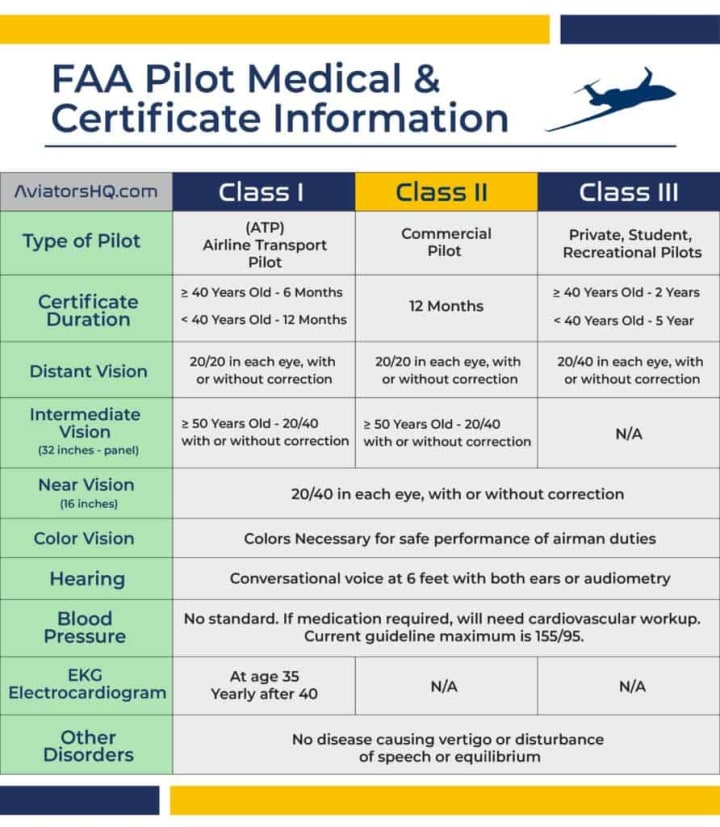
The health requirements for pilots are among the most stringent in any profession, reflecting the critical nature of their responsibilities. As a pilot, you are entrusted with the safety of passengers, crew, and the aircraft itself, which means you must be in excellent physical and mental health to ensure that you can perform your duties without impairment. The process begins with passing a medical examination conducted by an authorized aviation medical examiner, which is required before you can obtain your pilot's license. These medical exams are not just a one-time requirement; they are an ongoing aspect of a pilot's career, with regular re-examinations needed to maintain your medical certification.
During the initial medical examination, which is typically required for a Private Pilot License (PPL), you will undergo a comprehensive evaluation of your physical health. This includes assessments of your vision and hearing, which are crucial for safely operating an aircraft. For example, pilots must have good distance vision, correctable to 20/20, and must be able to distinguish colors as required for interpreting navigation lights and instrument displays. Hearing must be sharp enough to understand normal conversation in a noisy environment, which is essential for communicating with air traffic control and crew members. Cardiovascular health is another critical aspect of the medical examination. The aviation medical examiner will assess your heart health to ensure you are free from conditions such as arrhythmias, significant hypertension, or other issues that could impair your ability to fly. The cardiovascular system must be robust enough to handle the stresses of flight, including the physical demands of operating an aircraft and the potential for high-stress situations. Any abnormalities in heart function may require further testing, such as an electrocardiogram (ECG), to determine if you are fit to fly.
Mental health is equally important in the medical certification process. Pilots must have stable mental health to make sound decisions, manage stress, and ensure the safety of the flight. Conditions such as anxiety, depression, or other psychiatric disorders can be grounds for disqualification or require special evaluations and treatment plans. The aviation medical examiner will review your mental health history and may refer you for additional assessments if there are concerns about your psychological fitness for flying. Certain medical conditions can disqualify you from becoming a pilot, or they may require special medical assessments and waivers. For instance, color blindness can be a disqualifying condition since it may affect your ability to read cockpit instruments or interpret runway lights. High blood pressure, if not well-controlled, can also pose a significant risk, as it increases the likelihood of heart attack or stroke during flight. Additionally, conditions like diabetes, epilepsy, or certain neurological disorders may prevent you from obtaining or maintaining a pilot's license.
Even after you obtain your pilot's license, the health requirements don't stop. Pilots must undergo regular medical examinations throughout their careers to ensure they remain fit to fly. For commercial pilots, these exams are required annually if they are under 40 and every six months if they are over 40. Any new health issues that arise, such as a significant change in vision, the onset of cardiovascular disease, or mental health challenges, must be reported and could result in temporary or permanent grounding until the issue is resolved or managed to the satisfaction of the aviation medical authorities. The stringent health requirements reflect the high stakes of aviation and the need for pilots to be in peak condition. While these requirements can be challenging, they are essential for ensuring the safety of everyone on board. For aspiring pilots, understanding and preparing for these health standards is a critical part of the journey toward a career in aviation.
4. The Lifestyle is Unique

Becoming a pilot means embracing a lifestyle that is vastly different from the conventional 9-to-5 routine. The aviation profession demands flexibility, adaptability, and a willingness to work outside the standard work hours. As a pilot, your schedule will be dictated by flight itineraries, weather conditions, and the demands of the airline or charter company you work for. This often means working nights, weekends, and holidays when most people are enjoying time with their families. The irregular hours can be taxing, especially during long-haul flights, which may involve crossing multiple time zones and spending extended periods away from home.
One of the defining aspects of a pilot's lifestyle is the irregular work schedule. Unlike traditional jobs where you might have a predictable routine, pilots must be prepared for shifts that can vary significantly from week to week. For example, a pilot might be assigned early morning departures one week and late-night flights the next. The nature of flying across different time zones adds another layer of complexity, as it can disrupt your internal body clock and make it challenging to maintain a regular sleep schedule. This is often referred to as "jet lag," and managing it effectively is a crucial skill for pilots. The demands of the job can also impact your personal life in significant ways. The need to be away from home for days or even weeks at a time can strain relationships with family and friends. While modern technology makes it easier to stay in touch, the physical absence and irregular hours can make it difficult to participate in daily family life or social activities. Pilots often miss out on important events such as birthdays, holidays, and other celebrations due to their work commitments. This can lead to feelings of isolation and may require strong communication and understanding with loved ones to maintain healthy relationships.
Despite the challenges, the lifestyle of a pilot also offers unique advantages that can be appealing to those who value flexibility and adventure. One of the significant perks is the opportunity to travel extensively and experience different cultures and locations. Pilots often have layovers in exciting destinations, which can provide the chance to explore new cities, try local cuisines, and enjoy sightseeing between flights. For those with a passion for travel, the ability to see the world as part of your job can be incredibly rewarding. Another benefit is the potential for a more flexible work schedule compared to other professions. While pilots work irregular hours, they also typically enjoy extended periods of time off between flights. Depending on the airline and the type of flights you operate, it’s not uncommon for pilots to have several consecutive days off, allowing for quality rest, personal pursuits, or spending time with family. This flexibility can be a significant advantage for those who prefer to have time off in larger blocks rather than the typical weekend structure.
However, the lifestyle can also be physically and mentally demanding. The long hours, irregular sleep patterns, and the stress of managing in-flight responsibilities can take a toll on your health. Pilots must prioritize self-care, including maintaining a healthy diet, staying physically active, and ensuring they get enough rest despite the challenges of their schedule. Mental health is equally important, as the isolation and pressure of the job can lead to stress or burnout if not managed properly.
For those considering a career as a pilot, it's crucial to assess whether this unique lifestyle aligns with your personal values and life goals. The excitement of flying and the opportunity to travel the world are significant draws, but they come with the need for flexibility and resilience. Understanding the lifestyle and preparing for its challenges can help you thrive in this dynamic and rewarding profession. Ultimately, the pilot's lifestyle is not for everyone, but for those who embrace it, it offers a career full of adventure, responsibility, and the chance to see the world from a perspective few others experience.
5. Job Opportunities and Market Conditions Vary
The aviation industry is characterized by its dynamic nature, where job opportunities for pilots can fluctuate significantly based on a variety of factors. Economic conditions, political stability, technological advancements, and global events such as pandemics or geopolitical conflicts all play crucial roles in shaping the demand for pilots. While there is generally strong demand for pilots, especially with the growth of the global travel industry, downturns can lead to severe consequences, including reduced flight schedules, layoffs, and a temporary freeze on hiring. For aspiring pilots, understanding these fluctuations and preparing for them is key to building a successful career.
The demand for pilots varies widely across different regions of the world. Countries experiencing rapid economic growth and increasing air travel demand, such as China, India, and the Middle East, have been particularly strong markets for pilots in recent years. For instance, China is expected to need tens of thousands of new pilots over the next decade to meet the demand from its rapidly expanding airline industry. Similarly, countries in the Middle East, like the United Arab Emirates and Qatar, where airlines such as Emirates and Qatar Airways are headquartered, have been known to offer attractive packages to foreign pilots, including tax-free salaries, housing allowances, and other benefits.
In contrast, markets in North America and Europe are more mature, with established airlines and more stable demand. However, these regions also face their own challenges, such as an aging pilot workforce and stringent regulations, which can impact job availability. In the United States, for example, regional airlines often struggle to find qualified pilots due to the high number of required flight hours and the rising cost of training. On the other hand, European countries, particularly in Western Europe, offer competitive salaries but may have higher living costs and taxes that affect the overall compensation package.
Salaries for pilots can also vary significantly depending on the country, the type of airline, and the pilot's experience level. In the United States, a first officer at a regional airline might start with a salary ranging from $40,000 to $60,000 per year, while a captain at a major airline could earn anywhere from $150,000 to over $300,000 annually. In contrast, pilots in countries like China and the Middle East often earn higher salaries, with some captains earning upwards of $200,000 to $300,000 per year, along with additional perks such as housing allowances, schooling for children, and bonuses.
Despite the lucrative potential, the volatility of the aviation industry means that pilots must be prepared for the possibility of job instability. Economic recessions, like the one experienced in 2008, or global crises, such as the COVID-19 pandemic, can lead to sudden drops in air travel demand, causing airlines to reduce their workforce. During such times, pilots may face furloughs, reduced hours, or even layoffs. The recovery from these downturns can be slow, with job opportunities taking years to return to pre-crisis levels.
To navigate the ups and downs of the aviation job market, pilots need to be proactive in managing their careers. Networking within the industry, staying current with qualifications, and being open to relocation can significantly improve job prospects. Pilots who are willing to move to regions with higher demand, such as Asia or the Middle East, may find better opportunities during economic downturns in their home countries. Additionally, continuing education, such as obtaining type ratings for different aircraft or gaining additional certifications, can make pilots more competitive candidates in a tight job market.
Staying informed about industry trends and economic indicators is also essential for pilots. Joining professional associations, attending aviation conferences, and following industry news can provide valuable insights into emerging opportunities or potential risks. For example, understanding the impact of new technologies, such as the rise of electric or autonomous aircraft, could help pilots position themselves for future roles in the evolving aviation landscape. While a career as a pilot offers exciting opportunities and the potential for high earnings, it also requires an understanding of the industry's inherent volatility. By staying adaptable, informed, and proactive, pilots can navigate the challenges of the aviation job market and build a resilient and rewarding career in the skies.
6. The Rewards are Unparalleled

Becoming a pilot is not just a job; it's a profound and rewarding journey that offers unparalleled experiences and personal satisfaction. The career is characterized by a unique blend of adventure, skill, and prestige that few other professions can match.
Unmatched Sense of Accomplishment
One of the most significant rewards of being a pilot is the immense sense of accomplishment that comes from mastering complex aircraft and navigating the skies. Flying an aircraft requires a high level of skill, precision, and dedication. Successfully managing an aircraft through various weather conditions, coordinating with air traffic control, and ensuring passenger safety are all achievements that contribute to a profound sense of pride. The ability to fly across different regions and time zones, handling everything from routine flights to challenging scenarios, provides a unique form of job satisfaction.
Pilots often describe the thrill of takeoff and landing as exhilarating experiences that are hard to replicate elsewhere. The sight of the world from thousands of feet above, witnessing breathtaking sunrises and sunsets, or seeing the curvature of the Earth from the cockpit, offers a perspective that few people will ever experience. This sense of freedom and adventure is a powerful motivator and a constant reminder of the extraordinary nature of the job.
Unique Experiences and Travel Opportunities
The lifestyle of a pilot provides opportunities for travel that are hard to come by in most other professions. Pilots have the chance to visit diverse and exotic locations around the world, from bustling metropolitan areas to serene, remote islands. Each destination offers its own set of experiences, cultures, and adventures. For those who enjoy exploring new places and meeting people from different backgrounds, this aspect of being a pilot is particularly rewarding. Additionally, pilots often have access to benefits such as discounted or free flights for themselves and their families, allowing them to travel even more extensively. The chance to experience different cuisines, landscapes, and cultures firsthand adds a rich dimension to the career that many find highly fulfilling.
Transferable Skills and Professional Respect
The skills and discipline required to become a pilot are highly respected and transferable to other fields. Pilots are trained to handle high-pressure situations, make critical decisions quickly, and maintain exceptional attention to detail—all qualities that are highly valued in various industries. The problem-solving skills, leadership abilities, and technical expertise gained as a pilot can open doors to other career opportunities, whether within the aviation industry or beyond. For those who choose to transition to another career, the experience of managing complex systems and leading teams can be a significant asset. Many former pilots have successfully moved into roles in management, engineering, or consulting, where their aviation experience provides a unique and valuable perspective.
Building a Strong Professional Network
Another rewarding aspect of being a pilot is the opportunity to build a strong professional network. The aviation industry is tightly knit, and pilots often form lasting relationships with colleagues, industry professionals, and even passengers. These connections can be beneficial for career advancement, learning opportunities, and personal growth. Networking within the aviation community can also lead to new opportunities, such as job offers or collaborative projects.
Personal Growth and Development
The challenges and experiences of being a pilot contribute significantly to personal growth and development. The rigorous training process fosters qualities such as perseverance, adaptability, and resilience. Pilots learn to handle stress and make sound decisions under pressure, which can enhance their overall confidence and self-efficacy. The continuous learning and self-improvement that come with the job encourage pilots to strive for excellence and push their limits. While the path to becoming a pilot involves considerable challenges and sacrifices, the rewards are substantial. The unique experiences, sense of accomplishment, and transferable skills gained from a career in aviation provide a deeply fulfilling professional journey. For those who thrive on adventure, enjoy mastering complex tasks, and seek to make a meaningful impact, the career of a pilot offers unmatched rewards and opportunities.
Final Thoughts
Becoming a pilot demands significant financial, physical, and emotional investment. Training is costly, health requirements are strict, and the lifestyle involves irregular hours and extended absences from home. However, the rewards—unique experiences, professional respect, and personal growth—make it a fulfilling career choice. Aspiring pilots should meticulously plan their finances, ensure they meet medical standards, and be ready for rigorous training. Staying informed about industry trends and maintaining flexibility will help navigate the job market's fluctuations. If you’re passionate about aviation and prepared for the challenges, a pilot career offers a rewarding and adventurous path.
About the Creator
Horace Was
Essay Writer, Aviation and Technology Expert
Keep reading
More stories from Horace Was and writers in Wander and other communities.
Boeing 747’s Latest Model
The Boeing 747, often hailed as the “Queen of the Skies,” has been a symbol of aviation excellence for decades. This iconic aircraft revolutionized commercial aviation, ushering in the era of jumbo jets and transforming how people traveled across the globe. While its popularity waned in recent years due to the rise of more fuel-efficient twin-engine planes, the latest developments involving the Boeing 747 have once again captured the attention of aviation enthusiasts and industry experts alike. This blog post explores what makes the Boeing 747’s latest model a game changer in the world of aviation.
By Horace Wasabout a year ago in Wander
Getting Serious About Comedy (Part I)
If I were asked to remark on my life and the childhood that paved some road leading me to this point, I would have to say something about all the funny people who surrounded me for the last 26,872 days (and counting). Somewhere along that road, I became a big fan of laughter and the comedy that spawns it – and, I mean not only my own laughter, but the laughter of others, some of which I have actually been responsible for inducing.
By John Oliver Smith7 days ago in Humor


Comments (1)
I really love your content and how it's crafted , I love it and happily subscribed , you can check out my content and subscribe to me also , thanks for this beautiful one