
Boeing Aims to Secure Billions in Funding Amid Prolonged Strike
Boeing Aims to Secure Billions

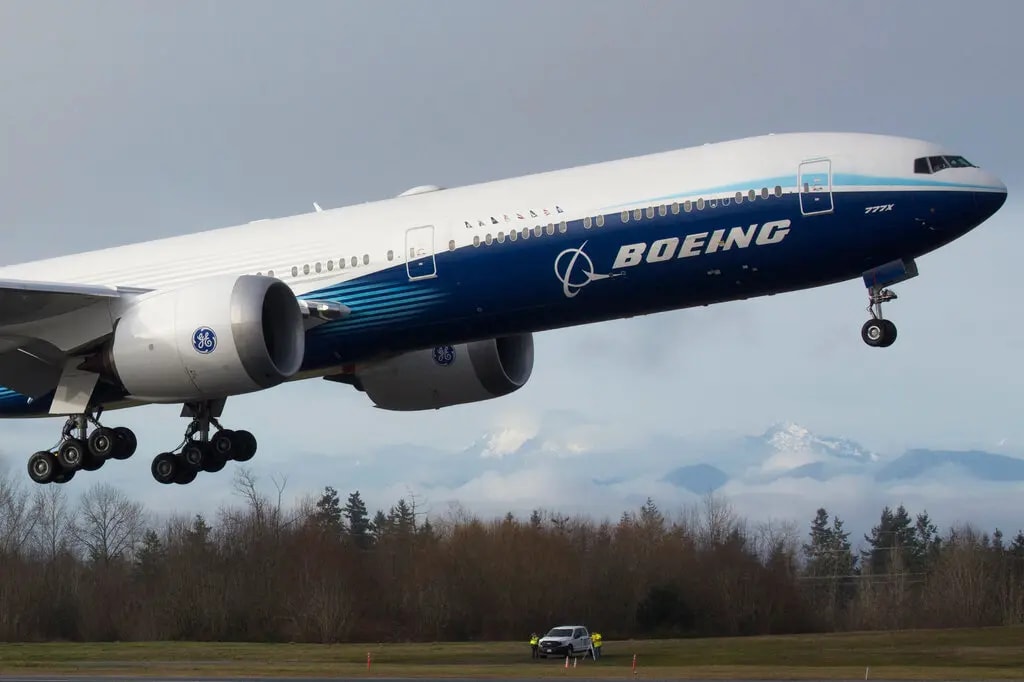
Boeing Aims to Secure Billions in Funding Amid Prolonged Strike
Boeing, the aerospace giant, is making major financial moves as the ongoing strike by its largest union stretches into its second month. The company announced plans to raise up to $25 billion through debt or equity over the next three years, and it has secured a $10 billion line of credit from a group of major banks.
In filings made public on Tuesday, Boeing revealed that the $25 billion figure could be generated by selling stocks or issuing bonds, helping to strengthen its financial standing. Alongside this, the company formalized a $10 billion credit agreement with BofA Securities, Citibank, Goldman Sachs Lending Partners, and JPMorgan Chase. Boeing has yet to tap into this credit line.
“These are two prudent steps to ensure the company has access to liquidity,” Boeing said in a statement, suggesting that these measures will help it navigate the current challenges.
Strain from the Strike and Cost Pressures
Boeing’s decision to seek this significant financing comes just days after the company revealed $5 billion in additional costs. This financial strain is partly due to the ongoing strike and a broader restructuring effort, which includes plans to cut 17,000 jobs – or roughly 10% of its total workforce.
The strike, now in its second month, is proving costly for Boeing. Analysts estimate the company is losing tens of millions of dollars each day as thousands of workers, primarily involved in the production of commercial airplanes, have walked off the job. This has essentially brought much of the company’s commercial aircraft manufacturing to a standstill. One notable exception is Boeing's major airplane program in South Carolina, which operates without unionized labor.
Breakdown in Union Talks
The strike involves about 33,000 members of the International Association of Machinists and Aerospace Workers (IAMAW), who are at odds with Boeing over contract negotiations. Last week, talks between the two sides broke down, and both parties are blaming each other for the lack of progress.
Boeing retracted its most recent contract offer, accusing the union of being inflexible, while the IAMAW argued that Boeing was unwilling to meet their demands. The union's strike centers on issues such as wage increases, benefits, and job security for its members.
The U.S. government has also taken notice. Acting Labor Secretary Julie Su visited Seattle on Monday to meet with both Boeing representatives and union officials in an effort to facilitate negotiations. While her visit signals the seriousness of the situation, no resolution has yet been reached.
Financial Downgrade Looming?
Adding to Boeing’s concerns is the potential downgrade of its credit rating. Last week, S&P Global Ratings announced it was considering lowering Boeing’s credit rating if the strike continues for an extended period. A downgrade to junk status would make it more expensive for the company to borrow money, increasing its financial pressure at a time when it is already dealing with significant losses.
This looming credit rating downgrade, combined with the strike’s financial toll and Boeing’s restructuring efforts, puts the company in a precarious position. The company’s response so far has been to shore up its financial resources, both through the newly secured credit line and potential future fundraising.
The Broader Impact of the Strike
The strike, which began a month ago, is having a widespread impact beyond Boeing’s own balance sheet. Suppliers and other businesses that rely on Boeing’s airplane production are also feeling the pinch. As the production of commercial airplanes grinds to a halt, companies that provide parts, services, and materials for Boeing’s planes are seeing reduced demand, leading to potential layoffs and financial struggles of their own.
While Boeing’s nonunion facility in South Carolina continues to operate, it’s unclear how long the company can sustain such heavy losses in its broader production chain. The union strike affects Boeing’s facilities across several states, and with no deal in sight, the pressure is mounting on both sides to reach an agreement.
Looking Ahead
For now, Boeing is focused on ensuring it has the financial resources to weather the storm. The $10 billion line of credit gives the company some immediate flexibility, though it has not yet tapped into it. The possibility of raising up to $25 billion in the coming years could provide further stability, allowing Boeing to manage ongoing costs, invest in new projects, or handle unforeseen challenges.
However, the longer the strike continues, the more pressure Boeing will face from multiple angles. Financially, the company will need to balance its immediate needs with the long-term costs of borrowing. Operationally, Boeing will have to manage reduced output and potentially increased labor tensions. And from a strategic perspective, it remains to be seen how the company will handle its restructuring while navigating a complex and uncertain future.
As talks between Boeing and the IAMAW remain stalled, all eyes are on whether a compromise can be reached before the situation deteriorates further. For now, Boeing’s financial lifelines may keep it afloat, but the long-term health of the company will depend on resolving the labor dispute and finding a sustainable path forward.
About the Creator
Sunil Christian
find here all type of news
Keep reading
More stories from Sunil Christian and writers in Journal and other communities.
NJ Train Crash Kills One, Injures Several
NJ Train Crash Kills One, Injures Several A tragic train crash in New Jersey on Monday morning claimed the life of a train operator and left at least 16 others injured. The accident occurred in Mansfield Township on a River Line train, which was traveling southbound from Trenton. The train collided with a tree that had fallen onto the tracks just after 6 a.m. The impact happened north of Roebling Station.
By Sunil Christianabout a year ago in Journal
Circadian Rhythm Doesn’t End When You Walk Indoors
Most people think of circadian rhythm as something connected primarily to daylight and nighttime. The rising sun signals the body to wake up. The darkness of evening encourages rest. For thousands of years, this natural cycle regulated how humans slept, worked, and recovered.
By illumipure3 days ago in Journal



Comments
There are no comments for this story
Be the first to respond and start the conversation.