
Body Shaming: knowing it to combat it
Knowing the Body Shaming trend well helps eliminate it from social media and all social spheres


Body Shaming refers to the act of making negative comments about someone's body shape or size, often leading to humiliation and criticism. This behavior can manifest in various forms, including verbal insults, social media ridicule, and even institutional discrimination. It is a pervasive issue that affects individuals across all demographics and can have severe emotional and psychological repercussions.
The roots of body shaming are deeply embedded in cultural norms and societal expectations regarding beauty. Historically, certain body types have been privileged over others, often dictated by shifting trends and media representations. For instance, women have frequently been idealized for thinness, while men are often expected to exhibit muscularity. Such standards are perpetuated through media channels, including television, film, advertising, and social media platforms, which promote unrealistic beauty ideals that can lead to widespread feelings of inadequacy among individuals who do not conform to these ideals.
## The Role of Social Media
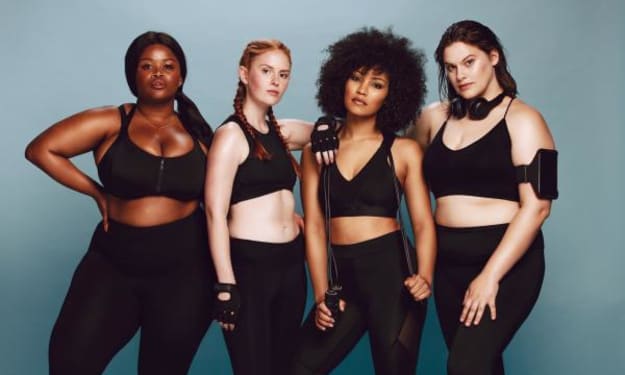
Social media plays a significant role in the perpetuation of body shaming. Platforms often showcase narrow representations of beauty that glorify specific body types while demonizing others. This environment fosters a culture of comparison and insecurity, particularly among young people. A survey found that a significant percentage of high school students classified as overweight reported experiencing daily bullying related to their body size.
Efforts to combat body shaming include promoting a culture of body positivity and acceptance. Individuals can take proactive steps by refraining from making negative comments about themselves or others. Encouraging self-acceptance and surrounding oneself with supportive individuals can help break the cycle of body shaming[1][6]. Initiatives such as banning advertisements that promote unrealistic body images have also been implemented in some regions to protect individuals from harmful societal pressures.
## Effective Ways to Combat Body Shaming
Body shaming can have significant negative impacts on individuals' mental health and self-esteem. To combat this issue effectively, various strategies can be employed at both personal and societal levels. Here are some effective ways to address and reduce body shaming:
-Promote Body Positivity: Embracing body positivity is crucial. This involves accepting and appreciating all body types, recognizing that beauty is diverse and not confined to societal standards. Individuals should focus on their strengths and what makes them unique rather than fixating on perceived flaws.
-Practice Self-Love and Kindness: Encouraging self-love is vital in combating body shaming. This can be achieved through positive self-talk, affirmations, and treating oneself with respect and kindness. Regularly reminding oneself of personal qualities unrelated to appearance can help foster a healthier self-image.
-Control Social Media Exposure: Social media can amplify body shaming, but it can also be a tool for positive change. Curate your social media feeds by following accounts that promote body positivity and unfollowing those that perpetuate unrealistic beauty standards. This helps create a more supportive online environment.
-Educate and Advocate: Education plays a key role in reducing body shaming behaviors. Speaking out against body shaming when witnessed, whether in person or online, helps raise awareness about its harmful effects. Advocating for inclusive representations in media and fashion can also contribute to changing societal perceptions of beauty[4][6].
-Foster Supportive Communities: Building relationships with individuals who promote body positivity can provide essential support. Engaging in community groups or campaigns focused on body acceptance encourages open discussions about body image issues and fosters a sense of belonging.
-Encourage Healthy Habits for the Right Reasons: Focus on health rather than appearance when setting fitness goals. Encourage activities that promote well-being rather than those aimed solely at weight loss or conforming to beauty standards. This shift in perspective helps individuals appreciate their bodies for their capabilities rather than just their looks.
-Seek Professional Help if Needed: If body shaming leads to persistent negative feelings or mental health issues, seeking professional help can be beneficial. Therapists can provide support and strategies to cope with the emotional impact of body shaming.
By implementing these strategies, individuals and communities can work towards reducing the prevalence of body shaming and fostering a culture of acceptance and self-love.
## Conclusion
Body shaming is a complex social issue that reflects deep-seated biases regarding beauty and body image. Its consequences are far-reaching, affecting mental health and self-esteem across various demographics. By fostering a culture of acceptance and challenging harmful norms perpetuated by media representations, society can work towards reducing the prevalence of body shaming and its detrimental effects on individuals' well-being.
About the Creator
Ninfa Galeano
Journalist. Content Creator. Media Lover. Geek. LGBTQ+.
Visit eeriecast ,where you'll find anonymous horror stories from all over the world. Causing insomnia since 2023.
Keep reading
More stories from Ninfa Galeano and writers in Journal and other communities.
Body Positive & Body Neutrality: two trends to pay attention to
During the last few years fashion, advertising, mass media and social media have built trends that question and reject harmful aesthetic mandates that bother women in every way. Basically, we must understand that beauty is subjective, geographic and temporal. For example: a woman may be considered beautiful in one culture and in a certain historical period, while the same woman would be considered unattractive in another culture and in another historical period. Therefore, aesthetic trends have no real meaning and only serve for each woman to experiment through them, according to her own criteria.
By Ninfa Galeanoabout a year ago in Journal
The goals I did not achieve
Every writing goal I made for the year is a wash. It has been this way for a while, but I think it's important to be open about my failures and the reality of how life can get in the way. This is especially true considering the several times I have posted on Vocal about my writing goals, how I was changing my approach, and where I was hoping to be for the upcoming year. I will probably do that again in a couple months, but for now, it is time to acknowledge where I am today.
By Kay Husnick19 days ago in Journal
When Is the Best Time to Visit Morocco With Kids?
As a mom, I know how different traveling with kids can feel compared to solo or adult-only trips. When my family and I first planned our Morocco adventure, I had one big question: When is the best time to visit Morocco with kids?
By Ariel Cohen6 days ago in Journal


Comments
There are no comments for this story
Be the first to respond and start the conversation.