
Black Friday Sales: The Shopping Frenzy That Defines the Holiday Season
From midnight lines to online deals — how Black Friday became the world’s biggest shopping tradition.

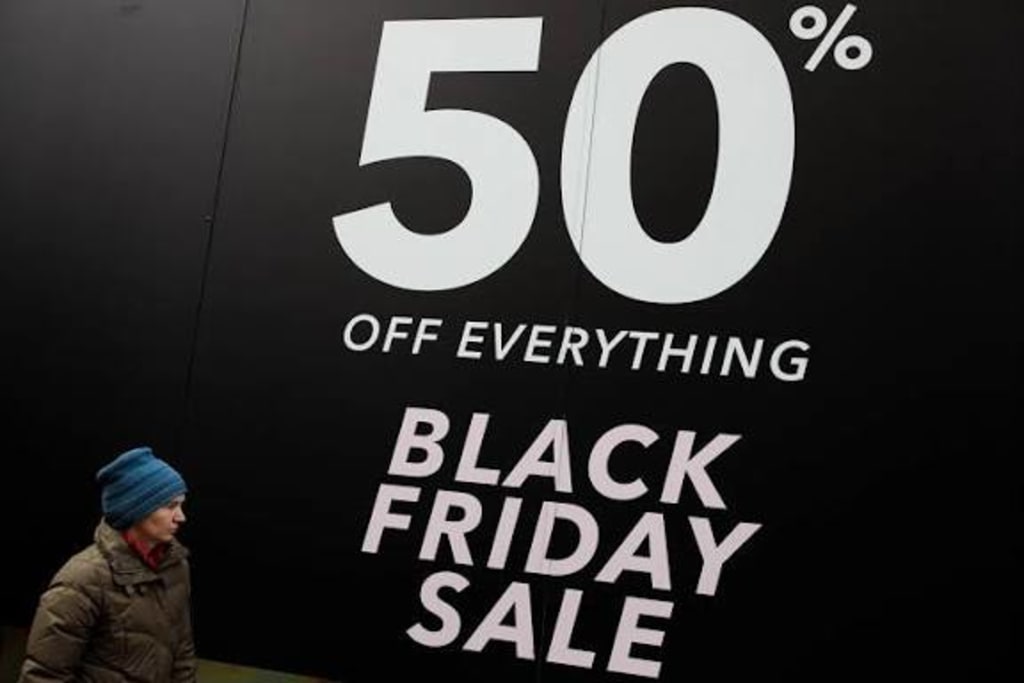
Every year, as November draws to a close, shoppers around the world prepare for one of the most anticipated events of the year — Black Friday. It’s the day after Thanksgiving when stores slash prices, shoppers rush to grab the best deals, and the internet buzzes with online discounts. But beyond the chaos and excitement, Black Friday sales represent more than just shopping — they reveal how our culture mixes consumerism, technology, and the thrill of finding a bargain.
---
The Origins of Black Friday
The term “Black Friday” didn’t always mean massive sales and discounts. In the 1960s, police officers in Philadelphia used it to describe the heavy traffic and crowded sidewalks that appeared the day after Thanksgiving. Later, retailers redefined the name in a more positive light, saying it marked the time when stores moved “into the black” — a business term meaning profit, instead of loss.
By the 1980s and 1990s, the concept spread across the United States. Malls opened early, sometimes at dawn, offering limited-time deals that sent shoppers rushing through the doors. Over time, Black Friday became a global phenomenon, with countries like the United Kingdom, Canada, and even parts of Asia joining in.
---
From Long Lines to Online Carts
For decades, Black Friday meant waking up early, waiting in long lines, and pushing through crowds to grab a discounted television or laptop. But today, the scene looks different. The rise of online shopping has transformed how people experience the event.
E-commerce giants like Amazon, Walmart, and Best Buy now offer digital sales that begin days — sometimes even weeks — before the official date. Many retailers also introduce “Cyber Monday,” a follow-up day dedicated to online-only deals.
The pandemic accelerated this shift, as shoppers turned to the internet instead of crowded stores. Now, instead of camping outside a mall, people camp in front of their screens — refreshing pages, comparing prices, and racing to check out before items sell out.
---
The Psychology Behind the Sales
Why does Black Friday attract millions of people each year? Part of the reason lies in psychology. Limited-time offers create a sense of urgency — what marketers call “fear of missing out” (FOMO). When we see that a product is “50% off for one day only,” we feel compelled to act quickly, even if we don’t truly need it.
Retailers design these events to trigger emotional responses. The bright red “SALE” tags, countdown timers, and “Only 2 left in stock” messages all encourage impulsive buying. For many, shopping on Black Friday becomes less about necessity and more about the thrill — a kind of treasure hunt for the best deal.
But experts warn that this excitement can lead to overspending. People often buy more than they planned, only to realize later that some items weren’t real necessities. Financial advisors suggest setting a budget and making a shopping list beforehand to avoid falling into marketing traps.
---
How Black Friday Shapes the Economy
Black Friday isn’t just a big day for consumers — it’s crucial for retailers, too. For many companies, sales during this period can make up a large portion of their annual revenue. According to global market reports, billions of dollars are spent in just one weekend, both in stores and online.
Small businesses also participate, offering deals that compete with large corporations. However, they often focus on unique, handmade, or local products, appealing to shoppers who want something more personal. This trend has even inspired events like “Small Business Saturday”, encouraging people to support local stores instead of just large chains.
---
The Dark Side of Black Friday
Despite its popularity, Black Friday has its downsides. Stories of crowd chaos, injuries, and overconsumption have raised questions about how far people are willing to go for discounts. Environmentalists also criticize the event for encouraging waste and fast consumerism.
Mass production and quick disposal of goods contribute to pollution and carbon emissions. In response, some movements have pushed for more mindful shopping practices. The concept of “Green Friday”, for example, promotes buying fewer items or choosing sustainable products instead of joining the shopping frenzy.
---
How to Shop Smart on Black Friday
You don’t have to skip Black Friday entirely — but shopping smart makes a big difference. Here are a few tips:
Set a budget and stick to it. Know how much you can spend before the sales begin.
Compare prices across different websites to ensure you’re getting a true deal.
Check reviews before buying electronics or big-ticket items.
Avoid impulse buys — ask yourself if you really need the product.
Consider sustainability — support ethical brands or buy quality items that last.
These simple steps can help turn Black Friday from a chaotic spending spree into a rewarding, thoughtful experience.
---
A Global Tradition in the Digital Age
What began as an American shopping day has now become a worldwide cultural event. From London to Tokyo, shoppers look forward to the excitement, discounts, and competition of Black Friday. It’s a symbol of how the digital era has connected global economies — and consumer habits — more than ever before.
But perhaps the most important part of Black Friday isn’t the deals or the products; it’s the choices we make. Whether we shop to save, to give, or to enjoy the thrill, each purchase reflects our priorities and our awareness. In the end, the real win might not be the cheapest gadget — but learning how to shop smarter in a world that never stops selling.
---
About the Creator
Fiaz Ahmed
I am Fiaz Ahmed. I am a passionate writer. I love covering trending topics and breaking news. With a sharp eye for what’s happening around the world, and crafts timely and engaging stories that keep readers informed and updated.
Keep reading
More stories from Fiaz Ahmed and writers in Journal and other communities.
Energy Bills: Understanding Costs, Solutions, and Saving Tips
Over the past few years, energy bills have been a growing concern for households worldwide. Whether it's heating in the winter, cooling in the summer, or keeping the lights on throughout the year, energy is a crucial part of our daily lives. But with increasing costs and unpredictable rates, many people are feeling the financial strain. In this article, we’ll explore why energy bills are rising, the factors that influence their cost, and practical tips to help reduce them.
By Fiaz Ahmed 3 months ago in Journal
Miss Persephone's Manual to a Seemingly Ordinary Life
Miss Persephone was found at the dining table, her blue eyes swollen, her tears arriving and retreating like the tides of the ocean. Earlier that day, her family had visited her in the retirement home where she had lived for eight years. It was her eightieth birthday.
By Imola Tóth4 days ago in Fiction



Comments
There are no comments for this story
Be the first to respond and start the conversation.